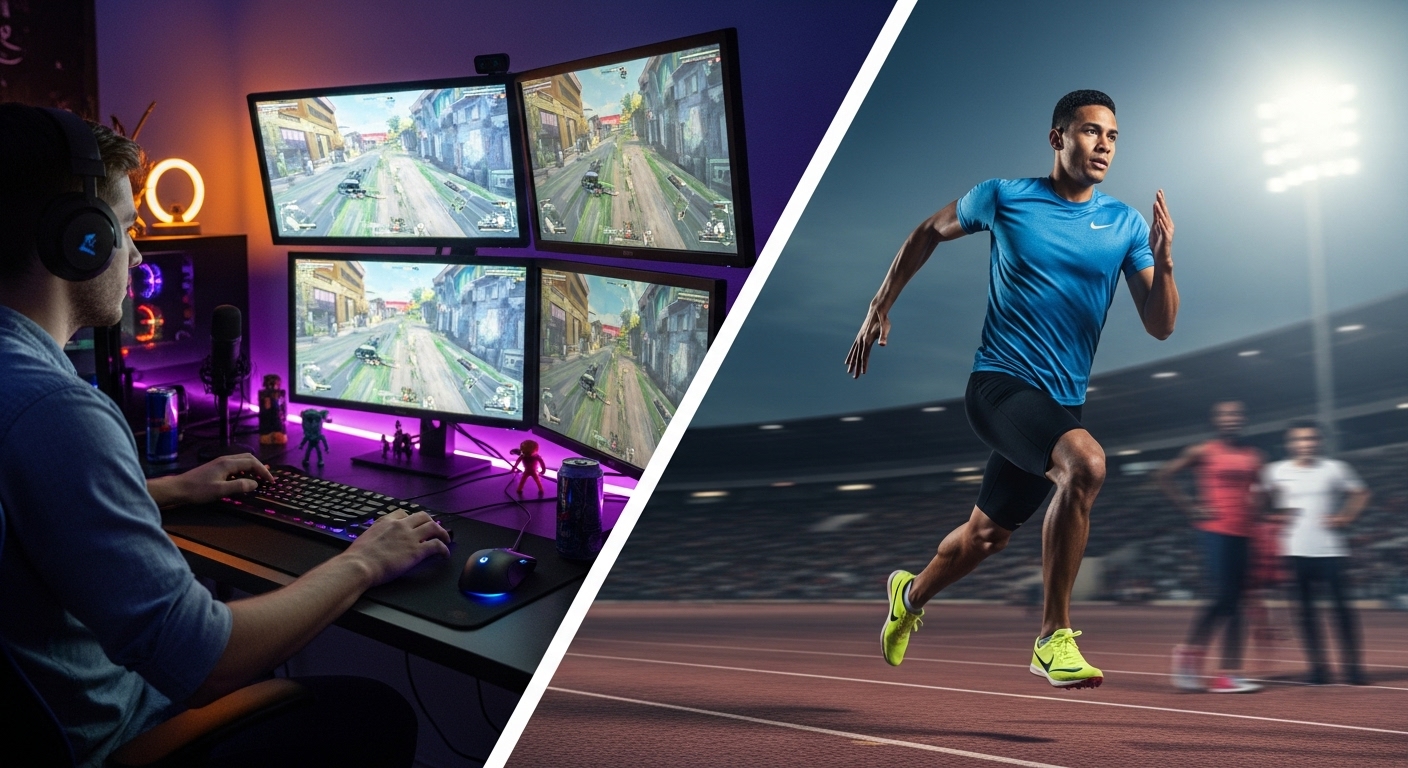

Esports has emerged as one of the most revolutionary forces in the world of entertainment, transforming competitive gaming into a global phenomenon. What began as a niche hobby among gamers has blossomed into a multi-billion-dollar industry, complete with professional leagues, international tournaments, and a growing fanbase that rivals traditional sports. Today, esports is not just about playing video games—it’s about performance, strategy, and skill at the highest level, combining the thrill of competition with the world of digital entertainment. In this blog post, we will explore the rapid rise of esports, its impact on gaming culture, and the exciting future that lies ahead for competitive gaming.
What is Esports?
At its core, esports (short for electronic sports) refers to competitive video gaming where professional players, teams, and organizations compete against each other in various video games for cash prizes, sponsorships, and recognition. The games played in esports tournaments vary widely, from real-time strategy games like StarCraft to first-person shooters like Counter-Strike, multiplayer online battle arenas (MOBAs) such as League of Legends, and even battle royale games like Fortnite.
Esports differs from casual gaming in that it involves highly skilled players competing in structured, organized events, often streamed live to a global audience. These events can take place in arenas, with thousands of spectators watching in person, or online, with millions of viewers tuning in via platforms like Twitch, YouTube, and Facebook Gaming.
While the professional esports scene continues to grow, its roots can be traced back to the early days of competitive gaming. In the 1990s, tournaments such as the Red Annihilation for Quake and the World Cyber Games laid the foundation for the competitive gaming scene that would eventually explode into the global esports industry we know today.
The Growth of Esports: From Hobby to Global Phenomenon
In the last decade, esports has grown exponentially, with millions of players and viewers engaging in competitive gaming. In 2020, the global esports market was valued at over $1 billion, and this number is expected to grow even further as the industry continues to expand. One of the key factors behind this rapid rise has been the increasing accessibility of gaming and the rise of streaming platforms like Twitch and YouTube that have made it easier for fans to watch live gameplay, interact with players, and engage in the esports community.
Esports’ appeal is multifaceted. For one, it provides an accessible way for people of all ages to participate in competitive gaming. Unlike traditional sports, which require physical attributes or specific facilities to practice, esports only requires a computer, gaming console, and internet connection. This has allowed players from all over the world to compete at the highest level, regardless of their location.
In addition to accessibility, the rise of streaming and social media has contributed significantly to the growth of esports. Platforms like Twitch allow players to stream their games live, interact with fans in real-time, and build large, dedicated communities. These communities form a crucial part of the esports ecosystem, as fans not only support their favorite teams and players but also contribute to the hype and excitement surrounding esports events. Social media platforms like Twitter, Instagram, and Discord have also played key roles in fostering communication, connecting players with their fans, and promoting esports tournaments.
Major esports tournaments, such as The International (Dota 2), League of Legends World Championship, and Fortnite World Cup, now attract millions of viewers, both online and in person. These events offer massive prize pools, sometimes reaching tens of millions of dollars, and are broadcasted globally, with coverage provided by major sports networks like ESPN and Fox Sports.
The Professionalization of Esports: Teams, Leagues, and Sponsorships
As esports has evolved into a professional industry, the structure of competitive gaming has become more organized. In the early days, most tournaments were casual and independent, with gamers competing in one-off events or small-scale competitions. However, as the industry matured, professional esports organizations and leagues began to take shape.
Today, esports has its own professional leagues, similar to traditional sports leagues. For instance, the Overwatch League and the League of Legends Championship Series (LCS) are organized, multi-season leagues where teams compete for top honors throughout the year. These leagues feature professional players who are signed to teams, much like athletes in the NBA or NFL, and are supported by coaches, analysts, and other staff members. The rise of these professional leagues has transformed esports into a full-fledged career path for talented players.
Esports teams are often backed by major organizations, including some that are affiliated with traditional sports franchises. For example, Cloud9, Team Liquid, and FaZe Clan are some of the most well-known esports organizations that have expanded into multiple games, competing in titles such as Counter-Strike, Valorant, and Rocket League. These teams often sign top-tier players to represent them in major tournaments, and they may also have their own content creators who stream games on platforms like Twitch and YouTube.
In addition to sponsorships from gaming companies, esports organizations are increasingly attracting sponsorship deals from global brands such as Coca-Cola, Intel, and Nike. These brands recognize the enormous potential of the esports audience and have invested heavily in partnerships with esports organizations, teams, and tournaments. This influx of sponsorships has not only helped esports grow in financial terms but also contributed to the mainstream recognition of esports as a legitimate form of entertainment.
The Role of Technology in Esports: Enhancing the Experience
Technology is at the heart of esports, and its influence extends beyond just the games themselves. From high-performance gaming hardware to advanced streaming tools, technology is crucial in providing players with the tools they need to compete at the highest level while enhancing the overall fan experience.
For players, the right equipment can make all the difference. Competitive gaming requires extremely fast reflexes, precise aiming, and the ability to process information quickly. Esports athletes rely on cutting-edge gaming equipment, including high refresh-rate monitors, mechanical keyboards, gaming mice, and headsets designed specifically for competitive play. These devices provide players with the responsiveness and precision they need to excel in high-stakes tournaments.
For fans, technology has also enhanced the viewing experience. Advances in live streaming have allowed esports events to be broadcast in ultra-high definition, with multiple camera angles, live statistics, and interactive features that keep viewers engaged. Platforms like Twitch and YouTube offer real-time interaction between players and fans, creating a sense of community that is often absent in traditional sports broadcasts.
Virtual reality (VR) and augmented reality (AR) are also beginning to make their way into the esports scene. These technologies can provide immersive viewing experiences, allowing fans to feel as if they are inside the game itself, watching players compete from their perspective. As VR and AR continue to evolve, the way we experience esports is bound to change even further.
The Future of Esports: Expanding Beyond Traditional Boundaries
Looking ahead, the future of esports is filled with exciting possibilities. As the industry continues to grow, the potential for esports to become a mainstream form of entertainment is vast. In particular, esports is likely to continue gaining popularity in countries where gaming culture is already strong, such as South Korea, China, and the United States, while also expanding into emerging markets around the world.
The integration of esports into traditional sports networks is also a growing trend. Major sports networks like ESPN and Fox Sports have begun airing esports tournaments, recognizing that the esports audience is just as dedicated and passionate as fans of traditional sports. This increased visibility could lead to further mainstream acceptance of esports as a legitimate form of competition, attracting new audiences and investors.
The rise of mobile esports is another key factor in the future of esports. As smartphones continue to improve in performance, mobile games are becoming more sophisticated, leading to the rise of mobile esports tournaments. Games like PUBG Mobile, Mobile Legends, and Clash Royale are already drawing large audiences, and this segment of esports is expected to continue growing rapidly as mobile gaming becomes more accessible worldwide.
Furthermore, as esports grows, issues like player health, well-being, and mental fitness will become more important. Just like traditional athletes, esports players spend long hours training and competing, which can take a toll on their physical and mental health. Organizations are beginning to recognize the need for dedicated sports psychologists, trainers, and nutritionists to ensure that players maintain a balanced lifestyle and avoid burnout.
The Cultural Impact of Esports: Changing How We View Gaming
Esports is not just changing the way we play and watch games—it’s also reshaping the way we think about gaming culture. Traditionally, video gaming was often seen as a solitary activity, something done in isolation or among a small group of friends. Esports, however, has transformed gaming into a social activity that connects people from all over the world.
The global nature of esports competitions means that fans from different countries, cultures, and backgrounds can come together to support their favorite teams and players. Esports events, such as the League of Legends World Championship or The International (Dota 2), attract millions of viewers from across the globe, and the shared excitement of watching top-tier competition has helped create a sense of global community among gamers.
Esports has also had a significant cultural impact in terms of representation. As the industry continues to grow, it is increasingly welcoming to players from diverse backgrounds, including women and people of color. While the esports world has historically been male-dominated, there has been a concerted effort to make esports more inclusive, with more female players and teams gaining recognition and support.