
Introduction: The Rise of Esports
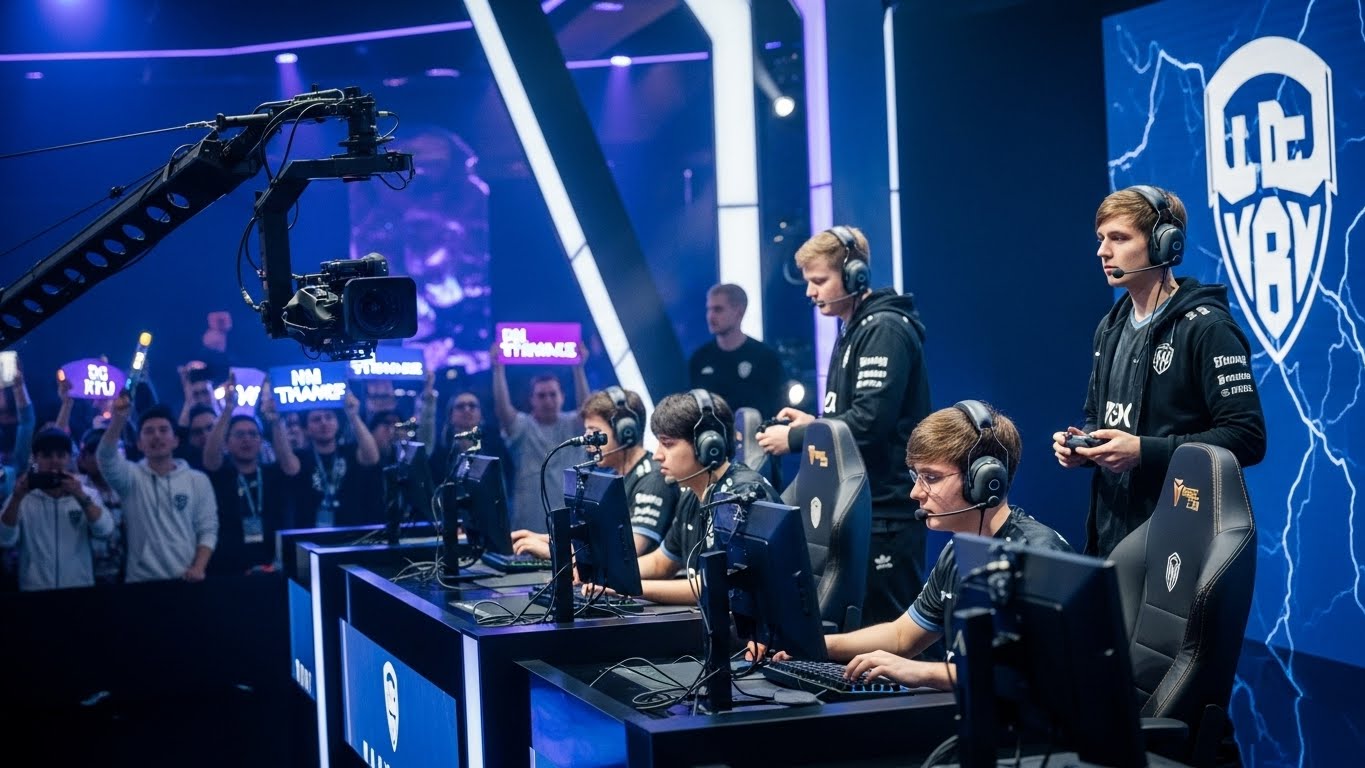
Esports, or competitive video gaming, has emerged as one of the fastest-growing industries in the world. Once a pastime for casual gamers, it has transformed into a global phenomenon, attracting millions of viewers, professional players, and substantial investments. With international tournaments, professional leagues, and sponsorship deals comparable to traditional sports, esports has redefined the way we think about competition, entertainment, and community.
Esports is not simply about playing games; it is a highly organized, strategic, and competitive arena. Players dedicate hours to perfecting skills, teams invest in coaching and analytics, and fans engage passionately through live events and online streams. The rise of esports highlights the impact of technology, skill, and culture in creating a new form of sport for the digital age.
The Origins and Evolution of Esports
The roots of esports trace back to the 1970s and 1980s when arcade competitions and high-score challenges became popular. Games like “Space Invaders” and “Pac-Man” were among the first to attract organized competitions. The 1990s saw the emergence of networked PC gaming, with titles such as “Doom” and “Quake” introducing multiplayer matches and early online tournaments.
South Korea played a pivotal role in professionalizing esports in the late 1990s. Games like “StarCraft” became national obsessions, with televised competitions, professional teams, and full-scale esports arenas. By the 2000s, multiplayer online games such as “Counter-Strike” and “Warcraft III” were drawing international attention. The development of streaming platforms allowed players worldwide to watch live matches, creating a global audience and fueling the rapid growth of esports.
Structure and Organization of Modern Esports
Modern esports mirrors the organization of traditional sports. Professional leagues, tournaments, and international championships follow formal rules, maintain ranking systems, and employ referees to ensure fair play. Teams often include not only players but also coaches, analysts, strategists, and support staff. This structure elevates esports to a professional level that demands discipline, preparation, and teamwork.
Esports games span multiple genres, including multiplayer online battle arenas (MOBAs), first-person shooters (FPS), battle royale games, real-time strategy (RTS), and sports simulations. Each genre requires different skills, from rapid reflexes and precision to communication, strategy, and coordination. This diversity allows esports to attract a wide audience and cater to a variety of interests.
Global Popularity and Audience Engagement
Esports has become a global entertainment phenomenon, with millions of fans tuning in to live events, online streams, and social media channels. Asia, particularly South Korea and China, has been at the forefront of esports development, treating professional players as celebrities and integrating esports into mainstream culture. North America and Europe have also embraced esports, hosting major tournaments and cultivating dedicated fan bases.
Streaming platforms have revolutionized fan engagement, allowing audiences to watch live competitions, interact with players, and participate in gaming communities. Unlike traditional sports, esports is highly accessible; anyone with a computer or console can compete or spectate. This inclusivity has contributed significantly to the worldwide popularity of esports.
Technology as the Backbone of Esports
Technology underpins every aspect of esports. High-performance gaming systems, fast internet connectivity, and sophisticated peripherals enable players to perform at elite levels. Streaming technology allows global audiences to watch competitions in real time, enhancing engagement and accessibility.
Analytics and data play a crucial role in professional play. Teams review game footage, track performance metrics, and study opponents’ strategies to gain a competitive edge. Artificial intelligence and machine learning are increasingly used to simulate training scenarios, optimize decision-making, and improve player performance. Technology in esports is not only a tool but a defining factor in the growth and professionalization of the industry.
Economic Impact of Esports
Esports has grown into a multi-billion-dollar industry with diverse revenue streams. Earnings come from tournament prizes, sponsorship deals, advertising, merchandise, streaming subscriptions, and media rights. Top-tier professional players earn salaries comparable to traditional athletes, supplemented by endorsements, streaming, and content creation.
Major tournaments often feature prize pools in the millions of dollars. For example, high-profile international events for games like “Dota 2” and “League of Legends” offer prizes that rival traditional sports competitions. Esports organizations invest heavily in training facilities, coaching staff, and marketing, creating a sustainable ecosystem that attracts global investment.
Career Opportunities in Esports
Esports offers career paths beyond competitive play. Professional roles include coaching, strategy analysis, event management, broadcasting, content creation, and marketing. Streamers and influencers generate revenue through live streams, subscriptions, and sponsorships while building personal brands.
The industry also provides technical and creative careers in software development, game design, data analytics, and graphics. As esports continues to expand, these career opportunities grow, making it a viable and legitimate path for individuals passionate about gaming, technology, and entertainment.
Mental and Physical Demands of Esports
Success in esports requires both mental and physical discipline. Players rely on cognitive skills such as decision-making, problem-solving, strategic thinking, and focus. Reaction time, situational awareness, and adaptability are critical for maintaining competitiveness at high levels.
Physical fitness is also essential. Professional players follow exercise routines to maintain stamina, prevent repetitive strain injuries, and enhance concentration. Ergonomic practices and proper posture are emphasized to reduce the risk of long-term health issues. Esports demonstrates that digital competition requires a holistic approach to both mind and body.
Youth and Esports: A Growing Trend
Esports resonates strongly with younger generations, who have grown up immersed in video games. Participation in esports encourages teamwork, communication, strategic thinking, and digital literacy. Many educational institutions now recognize esports as a legitimate activity, establishing school and college teams and offering scholarships for talented players.
This involvement helps students develop leadership skills, time management, and a sense of community. Esports provides youth with opportunities to pursue competitive interests, build networks, and prepare for careers in an emerging global industry.
Cultural and Social Impact of Esports
Esports has a significant cultural and social influence. It creates online and offline communities where people share interests, communicate across borders, and celebrate accomplishments together. Streaming platforms and forums enable fans to connect with players and engage with content in real time.
Esports challenges traditional ideas of sports and competition by emphasizing skill, strategy, and mental agility over physical attributes. The industry is increasingly promoting diversity, encouraging participation from people of different genders, backgrounds, and abilities. Esports has become a cultural movement that bridges differences while fostering innovation and creativity.
Challenges Facing Esports
Despite its growth, esports faces several challenges. The competitive environment can lead to stress, burnout, and mental health issues for players. Balancing training, competition, and personal life is critical for long-term success.
Issues such as online toxicity, cheating, lack of standardization, and regulatory oversight also pose challenges. The industry must develop ethical practices, fair play standards, and sustainable guidelines to maintain credibility and ensure continued growth.
The Future of Esports
The future of esports is dynamic and promising. Emerging technologies, including virtual reality, cloud gaming, and AI-based training, are expected to transform gameplay and fan experience. Global audiences will continue to grow, attracting more investment, media attention, and sponsorships.
Esports will increasingly gain recognition alongside traditional sports, with more professional leagues, collegiate programs, and career opportunities. As the industry matures, it will continue to redefine entertainment, competition, and culture on a global scale.
Conclusion: Esports as a Digital Revolution
Esports has evolved from a niche pastime into a global industry that combines entertainment, strategy, and competition. It rewards skill, teamwork, and intelligence while creating opportunities for players, creators, and fans worldwide.
From local competitions to international tournaments, esports unites communities, challenges traditional sports paradigms, and fosters innovation. It offers career paths, educational opportunities, and cultural influence that extend far beyond gaming.
As technology and audiences grow, esports will continue to shape the future of competition, entertainment, and social connection. It is not just a game—it is a revolution in how people play, compete, and engage in the digital age.