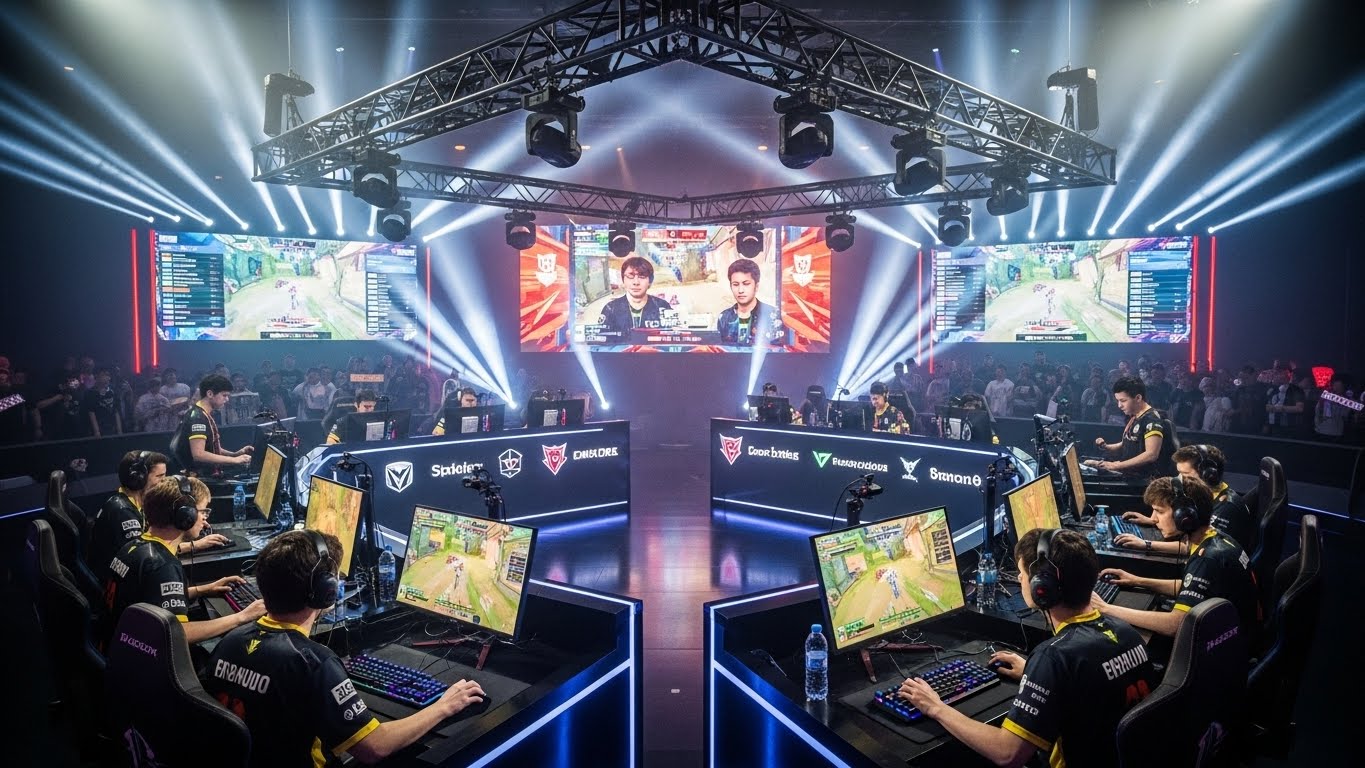

Esports, or competitive gaming, has grown from a niche hobby into a global phenomenon that rivals traditional sports in popularity, viewership, and revenue. Once dismissed as a pastime for enthusiasts, esports now attracts millions of players, fans, and investors worldwide. Beyond entertainment, esports is shaping careers, building communities, and redefining the concept of competition in the digital age. This blog explores the evolution, impact, and future of esports while examining its cultural, economic, and social significance.
The Origins of Esports
The history of esports can be traced back to the late 1970s and 1980s when video game tournaments began gaining attention. Early competitions focused on arcade classics like Space Invaders and Pac-Man, drawing local crowds eager to prove their skills. As home computers and gaming consoles became more common in the 1990s, competitive gaming expanded into networked play, allowing players to compete over local and global networks.
Games such as StarCraft, Counter-Strike, and Warcraft became the foundation for organized esports. They introduced team-based competition, strategy, and skill-based rankings, which are still central to esports today. These early tournaments created passionate communities that laid the groundwork for the professional esports industry that exists today.
The Growth of Esports as an Industry
Esports has grown into a multi-billion-dollar global industry. Major tournaments now attract millions of viewers online and in arenas, with prize pools rivaling those of traditional sports. Sponsorship deals from gaming brands, technology companies, and mainstream corporations provide financial support to teams and events. Merchandise, advertising, and media rights further contribute to the industry’s revenue.
Esports organizations operate much like professional sports franchises. They employ players, coaches, analysts, and content creators, providing a structured career path for those passionate about gaming. Cities hosting major tournaments benefit economically as well, with increased tourism, hotel occupancy, and media coverage. This economic ecosystem demonstrates that esports is not just a hobby but a viable and growing business.
Career Opportunities in Esports
The professionalization of esports has opened numerous career opportunities. Competitive players earn salaries, prize money, and revenue from streaming or sponsorship deals. Beyond playing, there are roles in coaching, content creation, marketing, tournament organization, and shoutcasting, which is the commentary and analysis of matches.
Professional esports players undergo rigorous training. Many adhere to structured schedules that include daily practice, strategy sessions, and mental conditioning. Physical fitness, nutrition, and psychological coaching are increasingly incorporated to enhance performance. These demands illustrate that esports careers require discipline, skill, and dedication similar to traditional sports.
Technology’s Role in Esports
Technology is the backbone of esports. High-performance computers, gaming consoles, and peripherals allow players to compete at peak levels, while reliable internet connectivity enables smooth online competitions. Performance analytics and game data help players and teams refine strategies and track progress. Emerging technologies like virtual reality and cloud gaming are poised to further transform esports by creating new ways to play and watch competitions.
Streaming platforms play a critical role in connecting players with audiences. Fans can watch live tournaments, interact in real time, and engage with players through social media and streaming communities. Technology thus not only drives gameplay but also shapes the culture, accessibility, and global reach of esports.
Community Building Through Esports
One of the most compelling aspects of esports is its ability to build communities. Players and fans from diverse countries and cultures connect over shared interests in gaming. Online forums, streaming platforms, and social media groups allow fans to discuss strategies, share experiences, and form friendships. Local esports clubs and leagues offer in-person opportunities for collaboration and competition, fostering a sense of belonging.
Esports also promotes inclusivity. Gamers from different genders, abilities, and cultural backgrounds can participate and excel, creating diverse communities. These communities are often supportive, encouraging mentorship, teamwork, and personal growth among players and fans alike.
Cognitive and Mental Benefits of Esports
Competitive gaming provides mental and cognitive benefits. Esports enhances hand-eye coordination, reaction time, multitasking, and strategic thinking. Team-based games improve communication, leadership, and problem-solving under pressure. Players develop resilience and the ability to cope with failure, as competition requires adapting strategies and maintaining focus during high-stress situations.
While moderation is key, structured esports participation can cultivate valuable life skills. Decision-making, goal-setting, and critical thinking are honed through gameplay, demonstrating that esports is more than entertainment—it is also a tool for personal development.
Challenges Facing Esports
Despite its growth, esports faces challenges. Mental health and burnout are significant concerns for professional players who endure long training hours and high-pressure competition. Overuse of screens can affect physical and mental well-being, making balance and wellness programs essential.
Regulation and standardization are other challenges. Unlike traditional sports with established governing bodies, esports lacks a universal framework for rules, contracts, and ethics. Cheating, doping, and match-fixing remain issues that require careful oversight. Gender disparity is another concern, as women are underrepresented in professional competition and leadership roles within esports organizations.
Esports in Education
Esports is increasingly integrated into educational institutions. Schools and universities are establishing esports programs, clubs, and scholarships. These initiatives encourage teamwork, strategic thinking, leadership, and digital literacy. Participation in educational esports prepares students for careers in gaming, media, technology, and entrepreneurship.
Esports programs in schools also foster inclusivity. Students who may not excel in traditional sports or social activities can find confidence and success in competitive gaming. The structured environment promotes discipline, collaboration, and personal growth, making esports a valuable educational tool.
Global Influence and Cultural Impact
Esports is a global phenomenon. Countries across Asia, Europe, North America, and South America host professional leagues and produce elite players. Nations like South Korea and China are renowned for their esports infrastructure and fan culture. International tournaments unite players and fans from around the world, encouraging cultural exchange and shared experiences.
Esports also influences mainstream culture. Professional gamers are celebrities, events are broadcasted globally, and game releases become major media moments. This integration of esports into everyday culture highlights its growing significance and ability to shape entertainment, media, and social trends.
The Future of Esports
The future of esports promises continued growth and innovation. Virtual reality, augmented reality, and cloud gaming will create new experiences for players and audiences. New genres and formats will attract wider demographics, and collaborations with mainstream entertainment and traditional sports will further legitimize esports as a cultural phenomenon.
The industry is also focusing more on player welfare, ethical practices, and inclusivity. Mental health support, fair contracts, and equitable representation will become increasingly important as esports matures. As technology and societal acceptance evolve, esports is positioned to remain a major force in entertainment, education, and global culture.
Conclusion: Esports as a Cultural Revolution
Esports has transformed from a niche hobby into a global industry that influences culture, economy, and social interaction. It offers career opportunities, fosters communities, enhances cognitive skills, and challenges traditional ideas of competition. Esports demonstrates that dedication, skill, and teamwork are not limited to physical arenas—they thrive in digital spaces as well.
Beyond the thrill of competition, esports is about connection, growth, and innovation. It bridges continents, empowers diverse participants, and inspires creativity and strategic thinking. As the industry continues to evolve, esports will redefine what it means to compete, belong, and succeed in the digital era. The rise of esports proves that the virtual world can have a tangible impact on society, shaping the future of entertainment, education, and community engagement.