The Rise of Esports as a Global Phenomenon
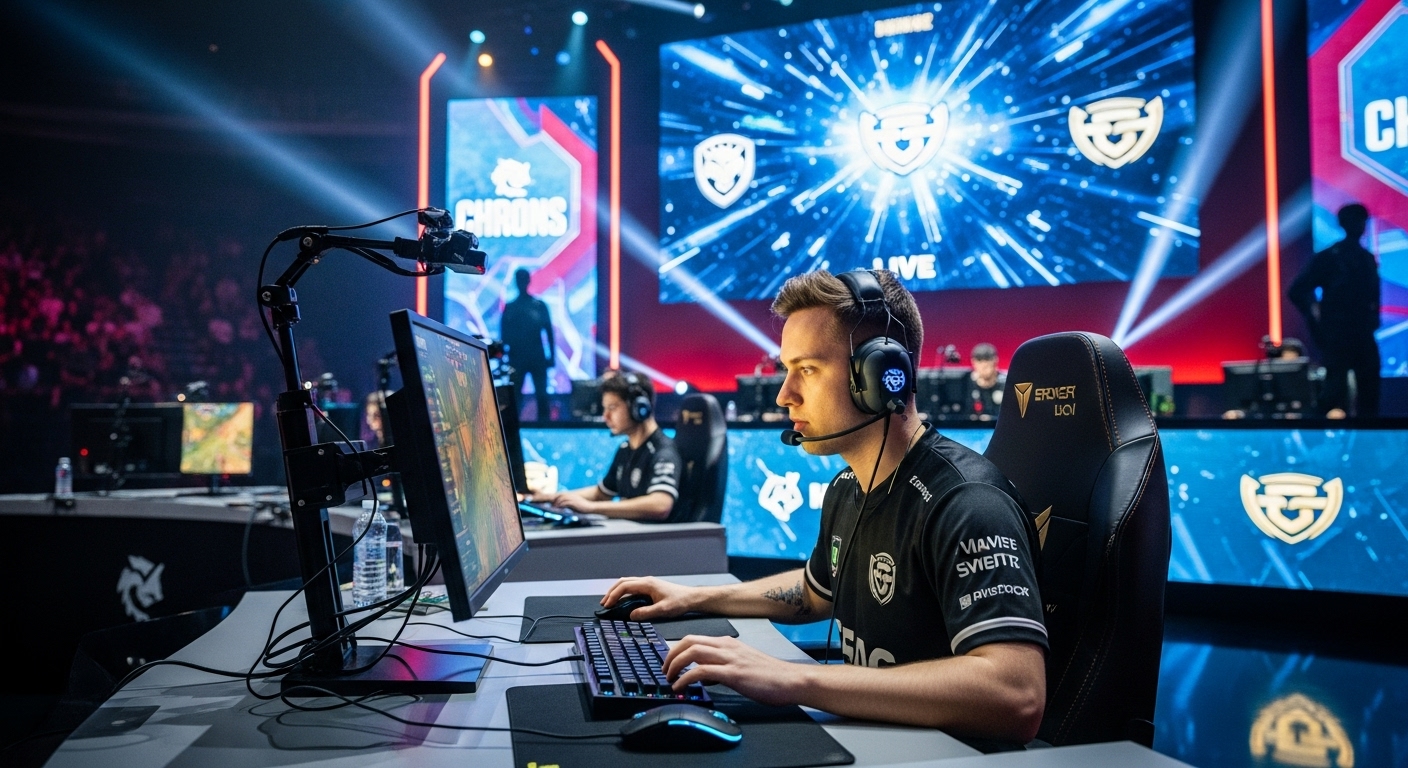
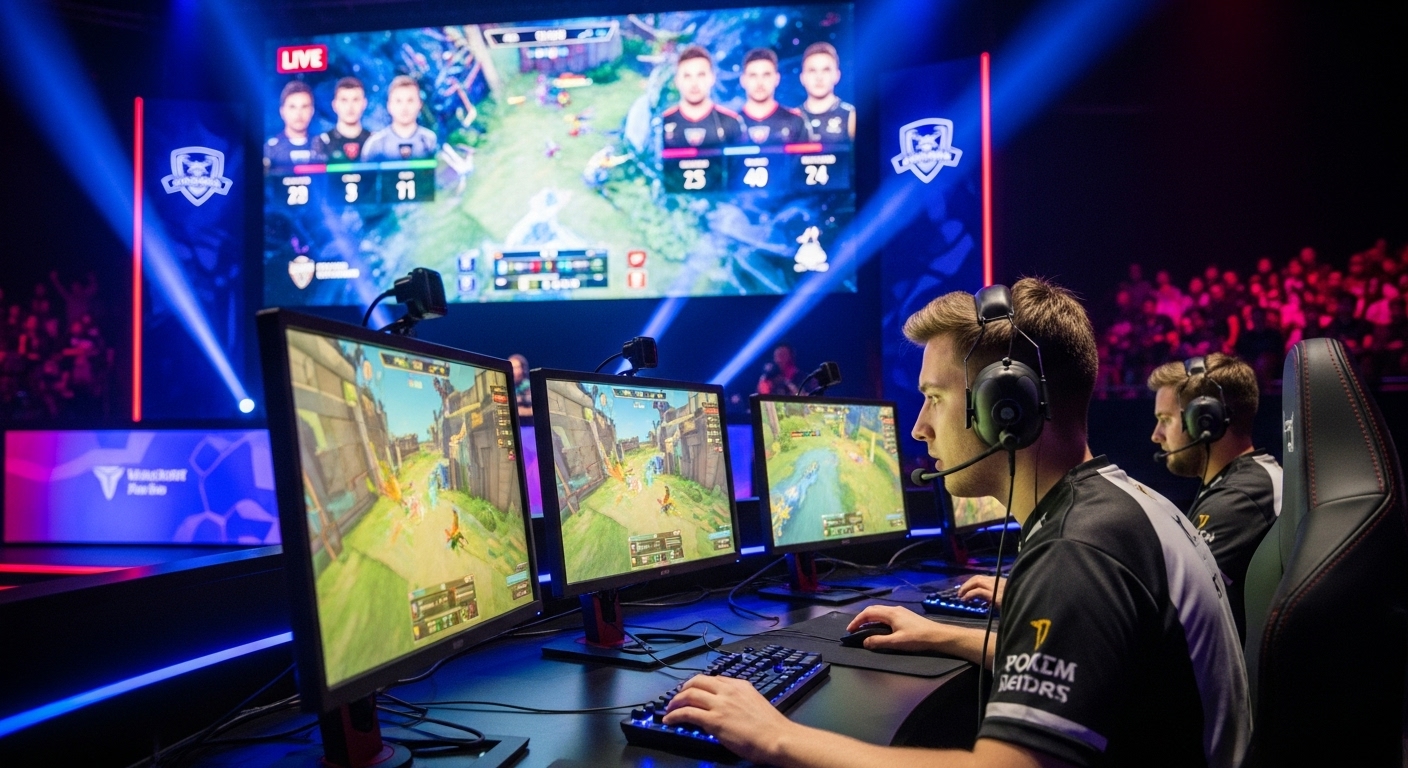
In the last two decades, the world has witnessed a massive transformation in how people play, watch, and experience games. What started as friendly competitions between local gamers has evolved into a global entertainment powerhouse known as esports. Esports, short for electronic sports, refers to organized competitive video gaming where professional players compete individually or as teams in various titles. From small arcade tournaments in the 1980s to multi-million-dollar championships today, esports has grown into one of the fastest-rising industries in entertainment.
The journey of esports is a story of passion, technology, and community. It reflects how digital culture has merged with traditional sports concepts like teamwork, competition, and fandom. As the internet became widespread, gamers across the world could finally connect, challenge each other, and build communities that transcended geographical barriers.
The Early Days of Competitive Gaming
Long before esports became a buzzword, competitive gaming existed in smaller circles. The earliest known gaming competition was held in 1972 at Stanford University, where players competed in a game called Spacewar!. The prize? A year’s subscription to a magazine. It was humble beginnings, but it marked the birth of organized video game competitions.
In the 1980s, arcade games like Pac-Man and Donkey Kong dominated the scene. Players would compete for the highest score, and newspapers often featured top players as local celebrities. Then came the 1990s, a pivotal decade when technology and the internet began shaping the modern concept of esports. Titles like Street Fighter II and Quake laid the foundation for competitive gaming, while the introduction of LAN parties allowed gamers to play against each other in real time.
The 2000s: The Internet Revolution
The early 2000s marked the turning point for esports. Broadband internet became more accessible, online gaming platforms emerged, and streaming technology started taking shape. Games like Counter-Strike, StarCraft, and Warcraft III became global phenomena. South Korea, in particular, played a massive role in this growth. The country built professional leagues, television broadcasts, and a fan culture that treated players as athletes.
This was also when esports organizations and sponsorships began forming. Companies recognized the marketing potential in reaching millions of passionate fans through gaming events. With prize pools growing and professionalism increasing, esports players began to make careers out of gaming.
The Modern Esports Landscape
Fast forward to today, and esports is no longer a niche hobby—it is a billion-dollar industry. Major tournaments like The International for Dota 2, the League of Legends World Championship, and Fortnite World Cup attract millions of viewers worldwide. Stadiums fill with cheering fans, and millions more watch live streams online. Esports has its own celebrities, analysts, casters, and even team coaches.
What makes modern esports special is its accessibility. Anyone with an internet connection can join the global gaming community, compete, or watch their favorite teams. Unlike traditional sports that require physical infrastructure, esports thrives on digital connectivity. This has allowed people from all corners of the world to participate and share their passion.
Popular Esports Titles That Define the Industry
Several games have become the pillars of esports due to their popularity, competitive balance, and community support.
League of Legends
Developed by Riot Games, League of Legends is one of the most iconic esports titles. With millions of daily players and a highly structured competitive scene, it has built one of the most successful ecosystems in gaming. The League of Legends World Championship draws massive audiences and showcases the best talent from different regions.
Counter-Strike: Global Offensive
A game of precision, strategy, and teamwork, CS:GO has been a cornerstone of competitive gaming for decades. Its simple concept—terrorists versus counter-terrorists—combined with its tactical depth, makes it endlessly entertaining. The CS:GO Majors are some of the most respected tournaments in the world.
Dota 2
Valve’s Dota 2 is known for having one of the largest prize pools in esports history. The annual International tournament regularly surpasses tens of millions of dollars in prizes, crowdfunded by players through in-game purchases. It is a complex and deeply strategic game that demands skill, teamwork, and innovation.
Fortnite
Epic Games’ Fortnite brought a new wave of attention to esports by appealing to younger audiences. With its colorful visuals, creative building mechanics, and global tournaments, Fortnite helped bring competitive gaming into mainstream pop culture.
Valorant
Riot Games entered the tactical shooter scene with Valorant, combining elements from CS:GO and hero-based gameplay. In just a few years, Valorant has become one of the top esports titles with international leagues and passionate fans.
The Role of Streaming and Social Media
The explosion of esports would not have been possible without streaming platforms. Services like Twitch, YouTube Gaming, and Facebook Gaming have allowed players to broadcast their matches and build personal brands. Fans can interact directly with players, creating a level of accessibility and engagement unseen in traditional sports.
Social media has also played a major role in shaping esports culture. Teams use platforms like X (formerly Twitter), Instagram, and TikTok to share highlights, memes, and behind-the-scenes moments. This constant connection keeps fans engaged and invested in their favorite teams and personalities.
Esports Organizations and Professional Teams
Just like traditional sports have clubs and franchises, esports has organizations that recruit, train, and support players. Teams like Fnatic, Cloud9, G2 Esports, Team Liquid, and T1 are known globally. They have professional coaches, analysts, and support staff dedicated to improving player performance.
These organizations also focus on branding, merchandise, and partnerships with sponsors. For example, collaborations with tech companies, clothing brands, and even automobile manufacturers have become common. This professional infrastructure gives players financial stability and helps sustain the industry.
The Life of an Esports Athlete
Many people underestimate the discipline required to become a professional esports player. Contrary to stereotypes, top-tier players train for hours every day, focusing on mechanics, strategy, teamwork, and mental conditioning.
Just like athletes in traditional sports, they need coaches to analyze opponents, psychologists to maintain focus, and physical trainers to prevent burnout. Reaction time, decision-making, and communication are critical in fast-paced games.
However, the career of an esports athlete is often shorter than that of a traditional athlete. Most players reach their peak performance in their late teens or early twenties. After retirement, many move into coaching, streaming, or content creation.
Esports as a Career Path
As the industry expands, esports is creating new career opportunities beyond playing professionally. There are roles in event management, production, broadcasting, marketing, and even law. Universities are offering degrees in esports management, and scholarships for talented gamers have become more common.
Esports casting, for example, is a growing field where commentators analyze games and entertain audiences, much like sports commentators. Content creation and social media management are also vital as organizations strive to build fan engagement.
Esports and the Mainstream Media
The perception of gaming has changed drastically in recent years. Once dismissed as a hobby, it is now recognized as a legitimate form of competition and entertainment. Mainstream television networks, sports channels, and newspapers cover esports events regularly.
This integration has led to collaborations between traditional sports and esports. Many football clubs, for instance, have their own esports divisions. Partnerships between gaming companies and broadcasters have helped make esports more accessible to general audiences.
Challenges Facing the Esports Industry
Despite its massive success, esports faces several challenges. One of the biggest is player burnout. The pressure to perform, long practice hours, and online scrutiny can take a toll on mental health. Many organizations are now focusing on player welfare and balanced training routines.
Another issue is sustainability. Not every game can maintain a long-term competitive scene. Titles rise and fall in popularity, and managing consistent viewer engagement can be difficult. Financial stability for smaller tournaments and players remains a concern as well.
Cheating and match-fixing have also been problems, just like in traditional sports. Maintaining fair competition requires constant monitoring, better regulations, and collaboration between developers and tournament organizers.
The Global Impact of Esports
Esports has influenced global culture in ways few could have predicted. It has bridged gaps between nations, languages, and generations. Gamers from different continents compete, collaborate, and share their love for the game. Esports has also become an economic driver, generating revenue through sponsorships, advertisements, and ticket sales.
Many countries now recognize esports as an official sport, with government support for tournaments and national teams. Events like the Asian Games have even included esports as a medal event, signaling its growing legitimacy on the world stage.
The Future of Esports
The future of esports looks incredibly bright. With advances in technology such as virtual reality, cloud gaming, and artificial intelligence, the boundaries of competition will continue to expand. Virtual reality tournaments could become the next frontier, blending physical movement with digital competition.
Mobile gaming is another major growth area, especially in regions like Asia, the Middle East, and South America. Titles like PUBG Mobile and Mobile Legends have created massive esports ecosystems accessible to millions of smartphone users.
As esports becomes more inclusive, efforts to increase diversity and representation are gaining momentum. More women are entering professional gaming, streaming, and organizational roles. Inclusivity initiatives are shaping a healthier, more welcoming community.
The Cultural Significance of Esports
Esports is more than just games; it is a reflection of modern digital culture. It connects creativity, technology, and human competition. Just as traditional sports inspired generations, esports is shaping new dreams for young people around the world.
Gaming communities have become social hubs where people share experiences, learn teamwork, and celebrate victories together. Esports represents the global language of the digital age—one where skill, passion, and technology meet.
Conclusion: The Power of Play
The story of esports is far from over. It continues to grow, innovate, and inspire. From small gatherings of arcade players to global championships broadcast to millions, esports has proven that competition and entertainment can take new forms in the digital era.
It has given rise to new heroes, new dreams, and a new kind of audience that values strategy, creativity, and community. Whether you are a player, a fan, or simply an observer, esports invites everyone to be part of this evolving journey.
In the end, esports is not just about winning games. It is about connecting people, breaking barriers, and redefining what competition means in the modern world. The power of play has never been stronger, and the world of esports is only just getting started.