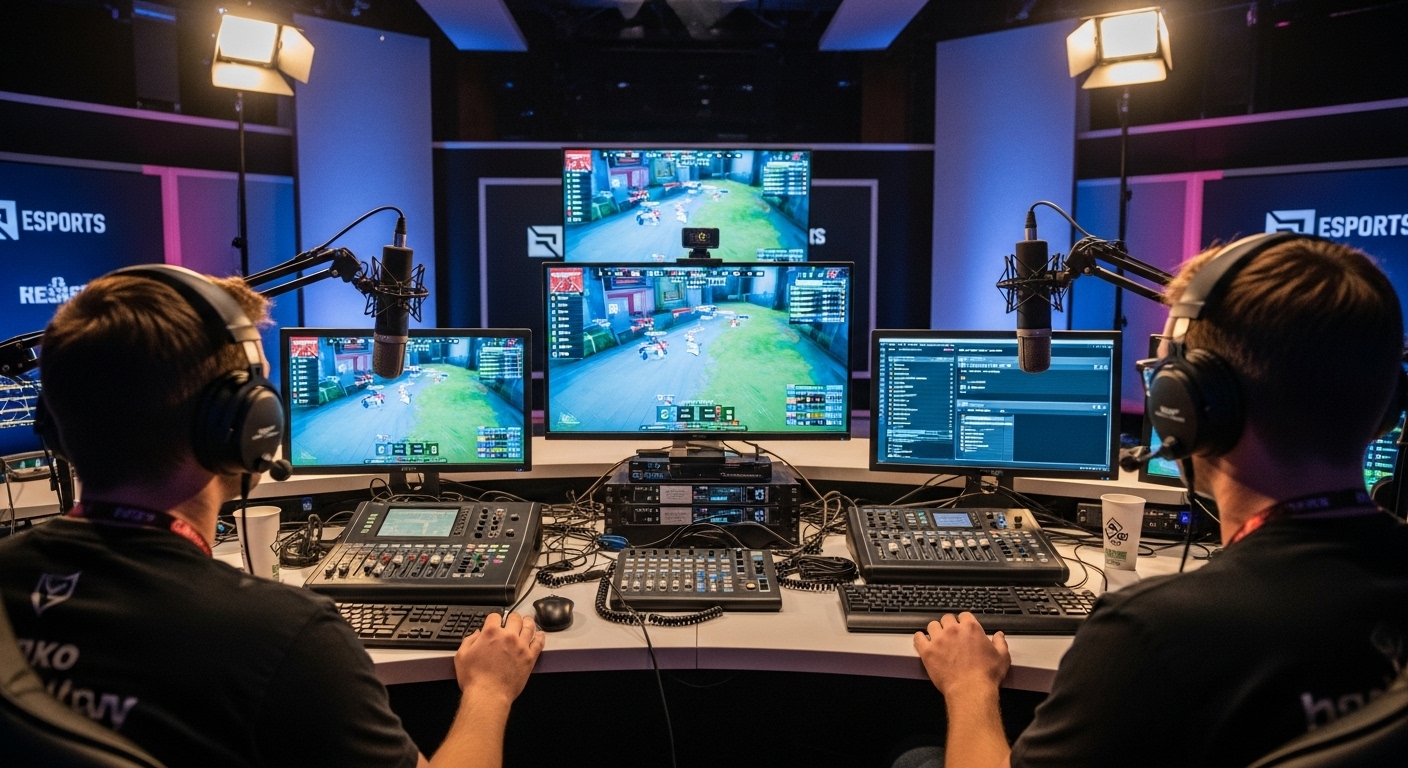
Esports has transformed from a niche hobby into a global industry worth billions. Stadiums fill up with fans cheering for their favorite teams, streaming platforms broadcast matches to millions, and professional players are treated like celebrities. But while the business side of esports is thriving, another conversation is just as important—diversity and inclusion.
Like traditional sports, esports reflects both the strengths and weaknesses of the societies it comes from. It’s an industry where opportunities can be limitless, but barriers still exist for many groups. Discussions about gender equality, racial representation, accessibility, and cultural inclusion are growing louder each year. And the truth is, if esports wants to keep growing, diversity and inclusion aren’t optional—they’re essential.
This blog explores why diversity matters in esports, the challenges the industry faces, and the steps being taken to build a more inclusive future.
The Current Landscape of Esports
Esports is massive. Games like League of Legends, Counter-Strike, Dota 2, Valorant, and Fortnite draw audiences of millions. Prize pools sometimes surpass those of traditional sporting events. Major brands—ranging from energy drinks to tech giants—invest heavily in esports.
Yet when you look closely at who makes up the top-tier players, teams, and decision-makers, the picture isn’t as balanced as it could be.
- Gender imbalance is obvious. While women make up nearly half of all gamers worldwide, they remain severely underrepresented in professional esports tournaments.
- Cultural and racial diversity varies by region. In some countries, esports is dominated by one demographic, while in others, certain groups rarely get the same visibility.
- Accessibility for people with disabilities is improving slowly, but major hurdles remain.
- LGBTQ+ representation exists, but acceptance and visibility are uneven across different communities and regions.
These imbalances don’t mean esports is failing—it means the industry has work to do to unlock its full potential.
Why Diversity and Inclusion Matter
Some may ask: why does diversity in esports matter so much? Isn’t it just about skill and competition? The answer is layered.
1. Fair Access to Opportunities
Every gamer should have the chance to compete, regardless of gender, race, or background. If barriers exist, then the competitive field isn’t truly fair.
2. Representation Inspires Participation
When fans see players who look like them or share their background succeeding, it motivates them to join the scene. Representation opens doors to new audiences.
3. Business Growth
Esports is entertainment, and diverse audiences want to see themselves reflected in the games they love. Brands that champion inclusion tap into larger, more loyal fan bases.
4. Innovation and Creativity
Different perspectives bring new ideas. Teams with diverse members often find creative strategies and new ways to approach challenges.
5. Global Identity
Esports is not tied to one country—it’s international. True inclusion allows the industry to celebrate its global identity, not just fragments of it.
Gender in Esports
Perhaps the most discussed issue in esports diversity is gender. Women make up around 45–50% of the global gaming community, yet professional esports remains overwhelmingly male.
Barriers Women Face:
- Toxicity in online spaces: Female players often face harassment, derogatory comments, or are dismissed as “not real gamers.”
- Lack of support: Fewer mentorship opportunities and structural backing exist for women trying to go pro.
- Media narratives: Coverage tends to highlight men’s competitions, leaving women’s leagues with less visibility.
- Stereotypes: Persistent cultural assumptions that men are better suited for competitive play.
Progress Being Made:
- Women-only tournaments like the Valorant Game Changers series have gained traction.
- Female-led esports organizations, such as GX3 Esports and CLG Red, are paving the way.
- High-profile female streamers and casters are breaking stereotypes and earning recognition.
Still, the ultimate goal isn’t just separate leagues for women—it’s integration where men and women compete on the same stage with equal respect.
Racial and Cultural Representation
Esports is global, but representation is uneven. In South Korea, esports players are national icons. In China, tournaments draw record-breaking viewership. In North America and Europe, esports is growing rapidly.
Yet racial diversity within specific regions can be limited. For example:
- In the U.S., Black and Hispanic gamers are a huge part of the casual gaming audience but are underrepresented in professional esports.
- In Europe, minority groups often lack the same access to sponsorships or high-level training facilities.
- In some Asian countries, players from rural areas may find it harder to break into the scene compared to those in urban centers with better infrastructure.
Why Cultural Inclusion Matters
Esports thrives on community. When cultural representation is limited, entire fan bases feel excluded. Including diverse voices in commentary, management, and decision-making ensures esports reflects its global reach.
LGBTQ+ Inclusion in Esports
The esports community has made strides toward LGBTQ+ representation, but challenges remain.
Many LGBTQ+ players and fans worry about facing discrimination online or at events. Some remain closeted for fear of backlash. But visibility is slowly improving:
- Openly LGBTQ+ pro players and streamers are gaining followers.
- Pride-themed events and tournaments have increased in recent years.
- Organizations are beginning to openly support inclusivity campaigns.
The challenge is consistency. Inclusion can’t be seasonal or tokenized; it must be embedded in the culture of esports.
Accessibility for Players with Disabilities
Another important aspect of inclusion is accessibility. Competitive gaming requires high reaction speeds and coordination, but that doesn’t mean people with disabilities can’t compete.
Challenges:
- Many games lack customizable accessibility settings.
- Tournament venues may not be disability-friendly.
- Adaptive controllers and assistive technologies are expensive and not always supported.
Progress:
- Companies like Microsoft have created adaptive controllers to make gaming more accessible.
- Some esports events are beginning to improve venue accessibility.
- Communities of disabled gamers are gaining visibility through streaming and grassroots tournaments.
Accessibility not only empowers players but also grows the audience by showing that esports is truly for everyone.
Toxicity: The Biggest Barrier
One of the toughest challenges for inclusion is toxicity. Online harassment, sexist remarks, racial slurs, and homophobia remain rampant in competitive gaming spaces.
Toxic behavior discourages new players from joining, especially those from underrepresented groups. While game developers and platforms have introduced reporting systems, enforcement is often inconsistent.
For true inclusion, combating toxicity must be a priority. That means better moderation tools, stricter penalties, and cultural shifts that encourage positivity over hostility.
Industry Efforts Toward Inclusion
The esports industry has recognized these issues, and many stakeholders are stepping up.
Game Developers
- Riot Games launched initiatives like Valorant Game Changers to support women and marginalized genders.
- Blizzard and other publishers have introduced stricter codes of conduct.
Esports Organizations
- Teams like Cloud9 and Evil Geniuses have invested in women’s rosters.
- Grassroots organizations focus on giving underrepresented players pathways to professional competition.
Brands and Sponsors
- Companies increasingly tie sponsorships to inclusivity campaigns.
- Diversity-focused partnerships are on the rise, as brands see inclusion as both ethical and profitable.
Community Movements
- Grassroots tournaments celebrate diversity, from women-only competitions to LGBTQ+-friendly leagues.
- Online communities provide safe spaces for marginalized gamers.
The Role of Media and Streaming
Streaming platforms like Twitch and YouTube Gaming play a massive role in shaping esports culture. They not only broadcast tournaments but also highlight personalities, influencers, and communities.
Inclusive representation on these platforms is vital. Promoting diverse streamers helps normalize inclusion and ensures new audiences see themselves reflected.
At the same time, these platforms must deal with toxicity in chat, hate raids, and harassment, which disproportionately affect women and minority streamers. Better moderation tools and support are necessary to make streaming safe for everyone.
Education and Grassroots Development
Inclusion starts early. Schools and universities are launching esports programs, and these can become breeding grounds for diversity if handled correctly.
By promoting inclusive values from the grassroots level—youth tournaments, collegiate leagues, and local clubs—esports can create a stronger pipeline of diverse players and professionals.
What True Inclusion Looks Like
The ultimate goal isn’t just checking boxes. True diversity and inclusion mean:
- Mixed-gender teams competing at the highest levels.
- Players from all cultural and racial backgrounds represented equally.
- Safe environments for LGBTQ+ gamers and fans.
- Accessible gaming for people with disabilities.
- Zero tolerance for toxicity and harassment.
Inclusion is about more than fairness—it’s about making esports richer, more creative, and more representative of its global fan base.
The Road Ahead
Esports is still young compared to traditional sports. This is both a challenge and an opportunity. While issues exist today, the industry has the flexibility to reinvent itself and avoid the entrenched inequalities seen in other sectors.
Change won’t happen overnight. It requires collaboration between developers, teams, sponsors, media, and fans. Most importantly, it requires a cultural shift where inclusion isn’t seen as a side project but as the foundation of esports.
Conclusion
Diversity and inclusion in esports aren’t just buzzwords—they’re the future. An industry built on global connectivity can’t afford to exclude voices, players, and communities.
By addressing gender imbalances, promoting racial and cultural representation, supporting LGBTQ+ players, improving accessibility, and combating toxicity, esports can unlock its full potential.
The beauty of esports is that it has no borders. Anyone with a console, PC, or mobile device can play. By ensuring that anyone—regardless of gender, race, orientation, or ability—can thrive in this space, esports can become not only the sport of the future but also a model for inclusivity worldwide.