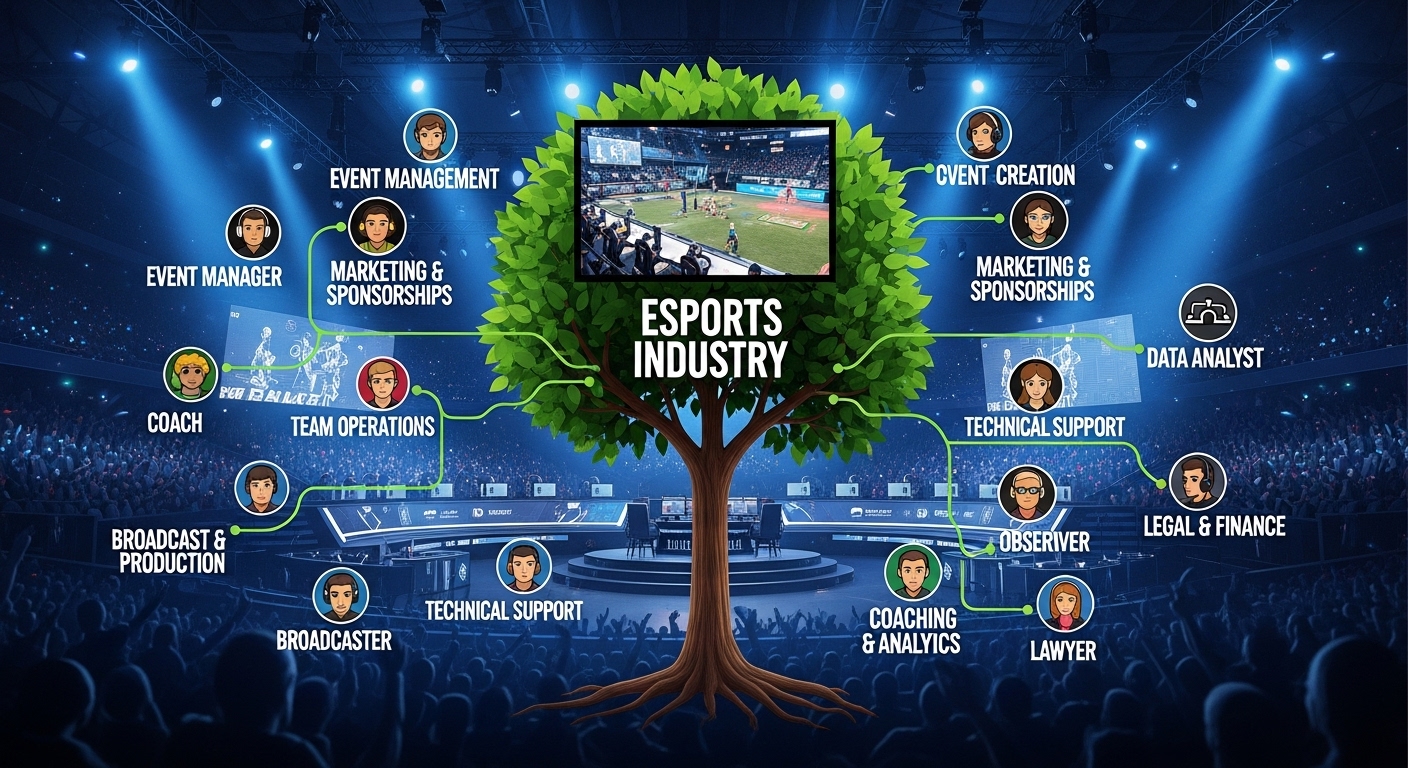
Video games have transformed from a casual pastime into a global industry worth billions of dollars. What was once seen as a simple hobby now sits at the center of professional sports, entertainment, and technology. Esports tournaments fill stadiums, players sign contracts worth millions, and gaming has become a legitimate career path for thousands of individuals worldwide.
But alongside this rise, another issue has gained attention: gaming addiction. For some, video games evolve into an unhealthy obsession that disrupts daily life, academic performance, and relationships. The difference between professional training and addiction often lies in balance, structure, and intent.
In this blog, we’ll explore how gaming addiction differs from professional training, the factors that separate them, the impact they have on individuals, and how players can avoid crossing the line.
Understanding Gaming Addiction
Gaming addiction is often characterized by an excessive and uncontrollable urge to play video games, even when it negatively impacts one’s life. It goes beyond passion or commitment—it’s when gaming becomes the center of a person’s world to the detriment of everything else.
Addicted gamers often:
- Spend excessive hours playing without breaks.
- Neglect work, school, or social responsibilities.
- Lose interest in other activities.
- Experience withdrawal symptoms when not playing.
- Suffer health issues like poor sleep, eye strain, or lack of physical activity.
The World Health Organization has even classified “Gaming Disorder” as a condition, showing just how serious it can become.
Defining Professional Training in Gaming
On the other side of the spectrum lies professional gaming, often referred to as esports. Professional training is structured, goal-oriented, and disciplined. Players train not just to play but to compete at the highest level.
Professional training often includes:
- Scheduled practice sessions.
- Team-based strategies and communication drills.
- Mental and physical fitness routines.
- Analysis of gameplay footage for improvement.
- Adequate rest and recovery.
The difference is that professional training is designed to enhance performance, not consume a person’s life without direction.
Passion vs. Obsession
The line between passion and obsession is thin, and it’s one of the biggest distinguishing factors between gaming addiction and professional training. Passion fuels motivation, but obsession consumes balance.
A passionate gamer might dedicate long hours to practice but still maintain a sense of control and purpose. An addicted gamer, on the other hand, plays for the sake of playing, often without tangible goals or self-discipline.
Time Management: A Key Difference
Professional training is built on effective time management. Pro players understand the importance of structuring their day to balance training, physical activity, nutrition, and downtime. Their schedules resemble those of athletes in traditional sports.
An addicted gamer usually lacks structure. Hours blur into days, and there’s no real distinction between practice, relaxation, or rest. Time becomes consumed by the need to play, regardless of responsibilities or consequences.
The Role of Coaches and Teams
Another major factor that separates professional training from addiction is accountability. Professional players rarely train in isolation. They work with coaches, analysts, and teammates who provide guidance, feedback, and structure.
Addicted gamers often play alone, without oversight or accountability. This isolation can amplify negative patterns, making it harder to break free.
Physical Health in Gaming
Professional players are increasingly aware of the role physical health plays in performance. Many include workouts, stretching routines, and diet plans as part of their regimen. Maintaining physical health ensures sharper reflexes, better stamina, and reduced risk of injury.
Gaming addiction often disregards physical health. Addicted gamers may sit for long hours, skip meals, or eat poorly while playing. This neglect can lead to obesity, back pain, eye strain, and other long-term health issues.
Mental Health and Mindset
Mindset is perhaps the most defining factor in separating addiction from professional training. Professionals view gaming as a career, with goals, achievements, and measurable progress. They train to improve, compete, and succeed in a structured environment.
Addicted gamers, however, often play to escape reality. Gaming becomes a coping mechanism for stress, loneliness, or unhappiness. While temporary escape can be healthy, dependency creates long-term psychological issues.
The Role of Rewards and Motivation
Professional training is driven by intrinsic and extrinsic motivations. Intrinsic motivation comes from self-improvement, mastery, and passion. Extrinsic motivation includes salaries, sponsorships, and tournament victories.
Addiction, in contrast, is often driven by instant gratification—unlocking achievements, climbing leaderboards, or simply spending hours immersed in a virtual world. The reward cycle becomes endless and unproductive.
Social Aspects: Community vs. Isolation
Professional players thrive in communities. Teams, tournaments, and fanbases provide a sense of belonging and social interaction. Pro gamers work collaboratively and communicate constantly.
Addicted gamers may also participate in online communities, but often as a substitute for real-life interactions. Over time, these online-only relationships can isolate them from friends, family, and offline social activities.
Financial Perspective
For professionals, gaming is an investment. They earn salaries, prize money, and sponsorships. Every hour spent training has the potential to yield financial returns.
Addicted gamers rarely see financial benefits. In fact, they may spend excessively on in-game purchases, hardware upgrades, and subscriptions, often straining personal finances without return.
Education and Career Development
Professional players often balance gaming with career planning. Many know their esports career will be short, so they invest in education, networking, or brand building to ensure stability afterward.
Addicted gamers often neglect education and career prospects. Academic decline, poor job performance, or lack of future planning are common consequences.
Long-Term Sustainability
Professional training is sustainable when balanced with health, financial management, and career planning. Teams, sponsors, and organizations provide resources to make it a viable career path.
Gaming addiction, however, is rarely sustainable. Over time, it can lead to burnout, health decline, and social isolation. What begins as entertainment can become destructive.
Case Study: Professional Esports Players
Many professional players demonstrate how structured training differs from addiction. Their schedules often include:
- 6–8 hours of practice.
- 1–2 hours of physical activity.
- Strategy sessions with coaches.
- Adequate sleep schedules.
- Healthy meals and downtime.
This routine ensures improvement while avoiding excessive strain. Compare this with an addicted gamer who might play 12–16 hours with little sleep, poor diet, and no structured goals. The outcomes are vastly different.
The Role of Parents and Guardians
For younger players, parents and guardians play a critical role. Supporting professional aspirations requires balance—encouraging structured practice while preventing excessive, unmonitored play. Education, health, and social development must remain priorities.
Without guidance, young players are at greater risk of falling into addictive patterns, mistaking excessive play for professional preparation.
Signs of a Healthy Gaming Lifestyle
A healthy gaming lifestyle includes:
- Scheduled breaks.
- Balanced screen time with other activities.
- Good nutrition and sleep.
- Social interaction outside of gaming.
- Clear goals and measurable progress.
These elements reflect professional training rather than addiction.
Signs of Gaming Addiction
Warning signs of addiction include:
- Playing excessively without breaks.
- Neglecting school, work, or relationships.
- Poor sleep and irregular eating habits.
- Feeling anxious or irritable when not playing.
- Losing interest in non-gaming activities.
Recognizing these signs early can help prevent long-term issues.
Breaking the Cycle of Addiction
Breaking addiction requires structure, discipline, and support. Steps include:
- Setting time limits.
- Prioritizing responsibilities before gaming.
- Seeking help from friends, family, or professionals.
- Replacing excessive gaming with healthier hobbies.
- Understanding the root cause of dependence.
Esports Training as a Model
For those struggling with addiction, adopting practices from professional training can help. Structured schedules, balanced routines, and clear goals provide healthier ways to engage with gaming. Viewing gaming as a skill to improve rather than an escape can shift the mindset.
Technology and Self-Regulation Tools
Modern technology offers tools to balance gaming habits. Apps that limit screen time, remind players to take breaks, or track progress can help. Professional players often use analytics software, while casual players can use similar tools for self-regulation.
The Future of Gaming Culture
As esports grows, so will conversations around addiction and training. Society is beginning to recognize gaming as a legitimate career, but it must also address the risks of unhealthy habits. The future lies in education, awareness, and structured development for young players.
Balancing Fun and Responsibility
At the core, gaming should be enjoyable. Even for professionals, love for the game drives performance. But responsibility is essential. Without balance, passion risks turning into obsession, and healthy competition risks becoming harmful dependency.
Conclusion
Gaming addiction and professional training may look similar on the surface—both involve long hours of play, intense focus, and dedication. But the differences are stark. Addiction thrives on lack of balance, structure, and purpose. Professional training thrives on discipline, accountability, and growth.
For gamers, the challenge lies in finding the balance between passion and obsession. With awareness, structure, and support, gaming can remain a healthy, rewarding part of life—whether as a career or a beloved hobby.


