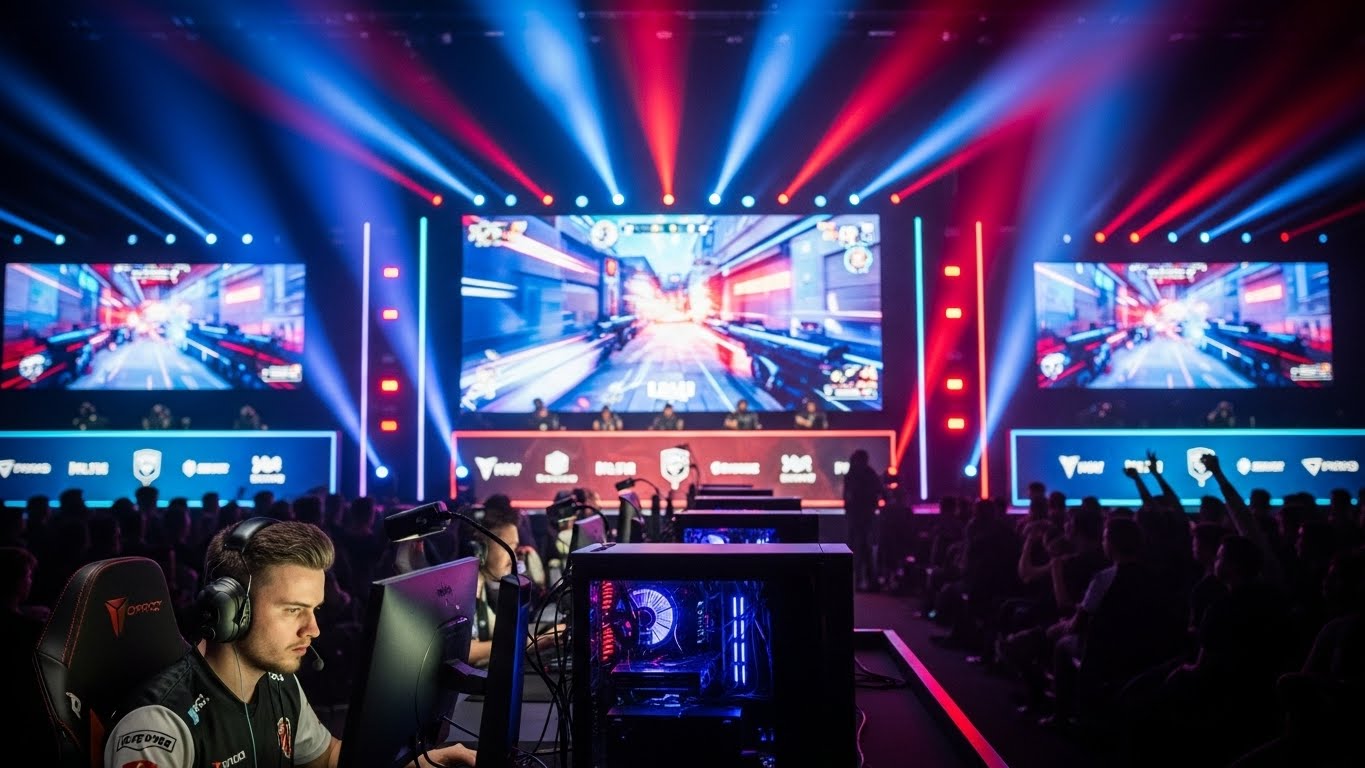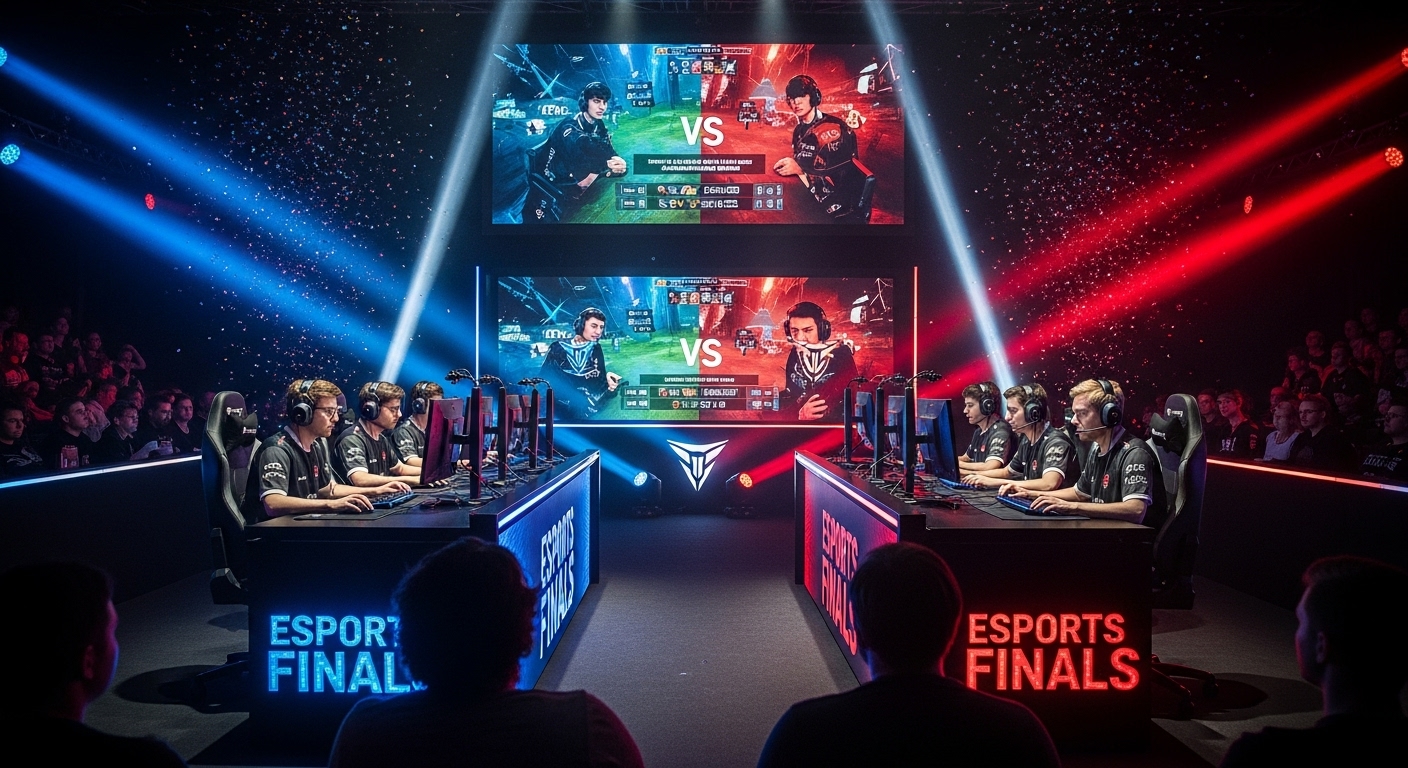

Esports, once a niche hobby for a dedicated group of gamers, has exploded into a global industry that now rivals traditional sports in terms of viewership, revenue, and cultural influence. What was once considered a pastime of the tech-savvy and the young has blossomed into a multi-billion-dollar ecosystem with millions of fans, professional players, top-tier teams, and international tournaments. Today, esports isn’t just about playing games — it’s about creating a spectacle that brings people together from all corners of the world to celebrate a shared love of competition, skill, and entertainment.
In this blog post, we’ll explore how esports went from humble beginnings to becoming a cultural juggernaut, the key factors driving its rapid growth, and what the future holds for this exciting new form of entertainment.
The Origins of Esports: From Casual Play to Competitive Tournaments
The roots of esports trace back to the 1970s when early arcade games like Pong and Space Invaders introduced the concept of multiplayer gaming. These games allowed players to compete for high scores, but it wasn’t until the 1990s that gaming evolved into organized competitions. The first significant moment in esports came in 1997 with the Red Annihilation tournament for the game Quake. This event is often considered one of the first major esports tournaments, with the winner walking away with a Ferrari. Although small in comparison to modern esports events, Red Annihilation demonstrated that there was an appetite for professional competition in video games.
As the internet became more accessible in the late 1990s and early 2000s, online multiplayer games began to thrive. Titles like StarCraft and Warcraft became the foundation for what would later become professional esports leagues. South Korea played a pivotal role in the rise of esports, where the popularity of StarCraft led to the formation of major gaming tournaments, broadcast on television networks and attracting large audiences. The game’s intense competition and strategic depth made it a perfect candidate for professional play.
The next few years saw the rise of major esports events and leagues. In 2002, the World Cyber Games (WCG) was founded, offering international tournaments for games like Counter-Strike and Warcraft III. These early global competitions paved the way for the modern esports landscape, attracting players and fans from around the world.
The Digital Revolution: The Streaming Era and Explosive Growth
While competitive gaming was becoming more popular, it wasn’t until the advent of streaming platforms that esports began to take its current form. The launch of Twitch in 2011 marked a turning point for the esports industry. Twitch provided a platform for gamers to broadcast their gameplay live to audiences, creating a new level of interactivity between players and fans. Suddenly, the competitive gaming experience was no longer confined to local tournaments or cable broadcasts — it was available to anyone with an internet connection.
Twitch became the central hub for esports fans, with millions of viewers tuning in to watch professional players battle it out in high-stakes tournaments. In addition to providing live coverage of esports events, Twitch allowed gamers to stream their own content, creating a new class of influencers and streamers who earned a living by building large followings. This democratization of content led to a boom in both viewership and participation.
By 2013, esports was a fully established industry, with massive international tournaments like the League of Legends World Championship and The International for Dota 2 offering prize pools in the millions of dollars. These tournaments attracted huge global audiences, both online and in person, with The International alone boasting a prize pool of over $30 million in 2018, funded in part by player contributions through in-game purchases. The sheer scale of these events made esports impossible to ignore, with major brands, media companies, and investors recognizing the potential for the esports industry to grow even further.
The Rise of Esports as a Profession
As esports grew, so too did the opportunities for players, coaches, analysts, and event organizers to make a career out of competitive gaming. Professional esports players now earn salaries that rival those of traditional athletes. The highest-paid players in games like Dota 2, League of Legends, and Fortnite can earn millions of dollars annually, not only from tournament prize money but also from sponsorships, streaming revenue, and brand endorsements.
Esports teams have become professional organizations, with dedicated staff for coaching, management, strategy, and even marketing. Teams like Cloud9, Team Liquid, and FaZe Clan are well-known across the world, and many of them field players across multiple games. These teams have built a global fanbase, with fans following their favorite players and cheering them on through live streams, social media, and in-person events. The competition within these teams to succeed and advance to the highest level has created a culture that rivals traditional sports leagues in intensity.
Beyond the players, a whole ecosystem has developed around esports. Coaches, analysts, commentators, content creators, and journalists now play vital roles in the industry, contributing to the growth of esports through their knowledge, expertise, and engagement with fans. The success of esports has also brought new opportunities for tech companies, with companies like Intel, NVIDIA, and Razer providing the cutting-edge hardware and technology that powers professional gaming.
The Esports Spectacle: Tournaments and Viewership
Esports is no longer just about the games themselves; it’s about creating a live, immersive experience for viewers. Major tournaments like the League of Legends World Championship, The International for Dota 2, and CS:GO Major Championships are broadcast globally, often reaching millions of viewers via streaming platforms. These events are produced like high-profile sporting events, complete with elaborate stage designs, professional commentators, and pre-game analysis.
The dramatic moments of esports matches — clutch plays, underdog victories, and game-changing strategies — generate excitement that rivals any traditional sports event. The competitive nature of these games, combined with the personality of the players and the energy of the crowd, creates a spectacle that’s both thrilling to watch and deeply engaging for fans. Esports broadcasts have even begun to incorporate elements of traditional sports broadcasting, with in-depth analysis, player interviews, and behind-the-scenes content helping to elevate the viewing experience.
In addition to streaming, esports tournaments are also held in massive arenas and stadiums. For example, the League of Legends World Championship has been held in large venues like the Bird’s Nest Stadium in Beijing and the Staples Center in Los Angeles, drawing thousands of live spectators to watch the action unfold in person. The integration of both live and digital audiences has become a key aspect of esports, creating a hybrid fan experience that has never been possible with traditional sports.
Esports and the Mainstream: Sponsorship, Media, and Global Recognition
The rise of esports has not gone unnoticed by mainstream media and major corporations. Traditional sports organizations, such as the NBA, have invested in esports teams, and global brands like Coca-Cola, Intel, and Mercedes-Benz have signed sponsorship deals with esports leagues and players. These sponsorships have helped legitimize esports and solidify its status as a cultural force.
Moreover, networks like ESPN and major streaming platforms like YouTube and Facebook have embraced esports by broadcasting tournaments and events. In 2016, ESPN began airing major esports tournaments on its network, bringing competitive gaming to a broader television audience. This increased exposure has attracted even more corporate sponsorships and media coverage, creating a cycle of growth that further strengthens the industry.
The cultural integration of esports into mainstream society is also evident in its appearance in movies, documentaries, and even in traditional sports broadcasts. Esports stars have gained celebrity status, appearing on talk shows, in advertisements, and at major cultural events. Just as athletes in traditional sports are revered, esports players are now household names with their own fan clubs, merchandise, and social media followings.
The Future of Esports: What’s Next?
As the esports industry continues to evolve, there are several exciting trends and developments on the horizon.
1. Continued Growth of Esports Leagues
We’re likely to see more professional esports leagues pop up in the coming years. As the success of leagues like the Overwatch League and Call of Duty League proves, there’s a growing interest in having organized, city-based franchises and regular-season competitions that offer a more structured approach to competitive gaming.
2. The Rise of Virtual Reality (VR) and Augmented Reality (AR)
Virtual reality and augmented reality could revolutionize the way we experience esports. Imagine watching a live match of Counter-Strike or League of Legends in virtual reality, where viewers can sit courtside and watch the action unfold from any angle. This could offer fans a more immersive and interactive experience.
3. Greater Integration with Traditional Sports
Esports will likely continue to build bridges with traditional sports. We could see more crossover events and partnerships, as well as collaboration between esports teams and traditional sports franchises. This synergy could open up even more avenues for growth and recognition.
4. Expanding Accessibility and Diversity
The future of esports will also see increased efforts to make the competitive gaming scene more accessible and inclusive. Programs focused on increasing diversity and representation of women and minority groups in esports are already gaining momentum, and this will likely continue as the industry matures.
Conclusion: A New Era of Entertainment
Esports has evolved from a subculture into one of the most exciting and lucrative entertainment industries in the world. It has transformed gaming from a hobby into a full-fledged profession and cultural phenomenon, attracting millions of viewers and generating billions of dollars in revenue. Esports has not only created opportunities for players, teams, and companies but has also given birth to a new way of consuming entertainment