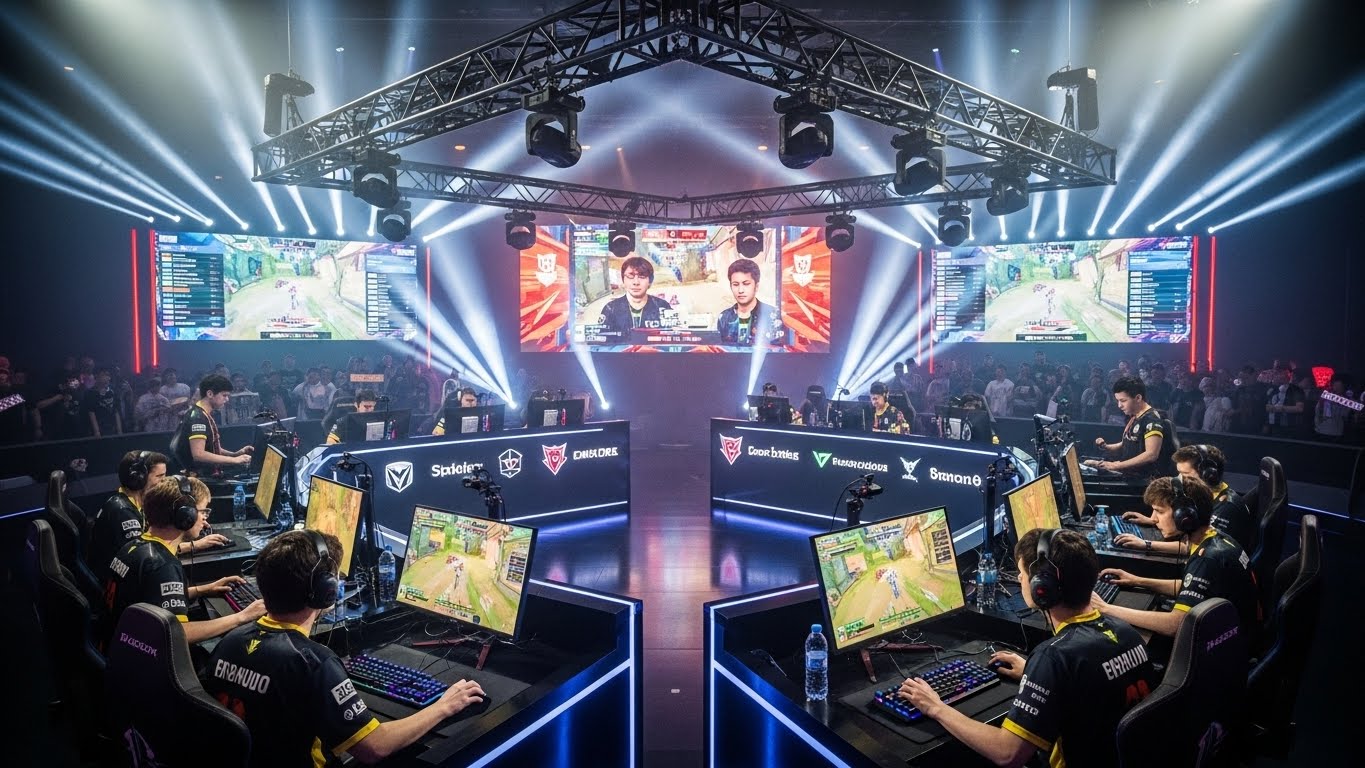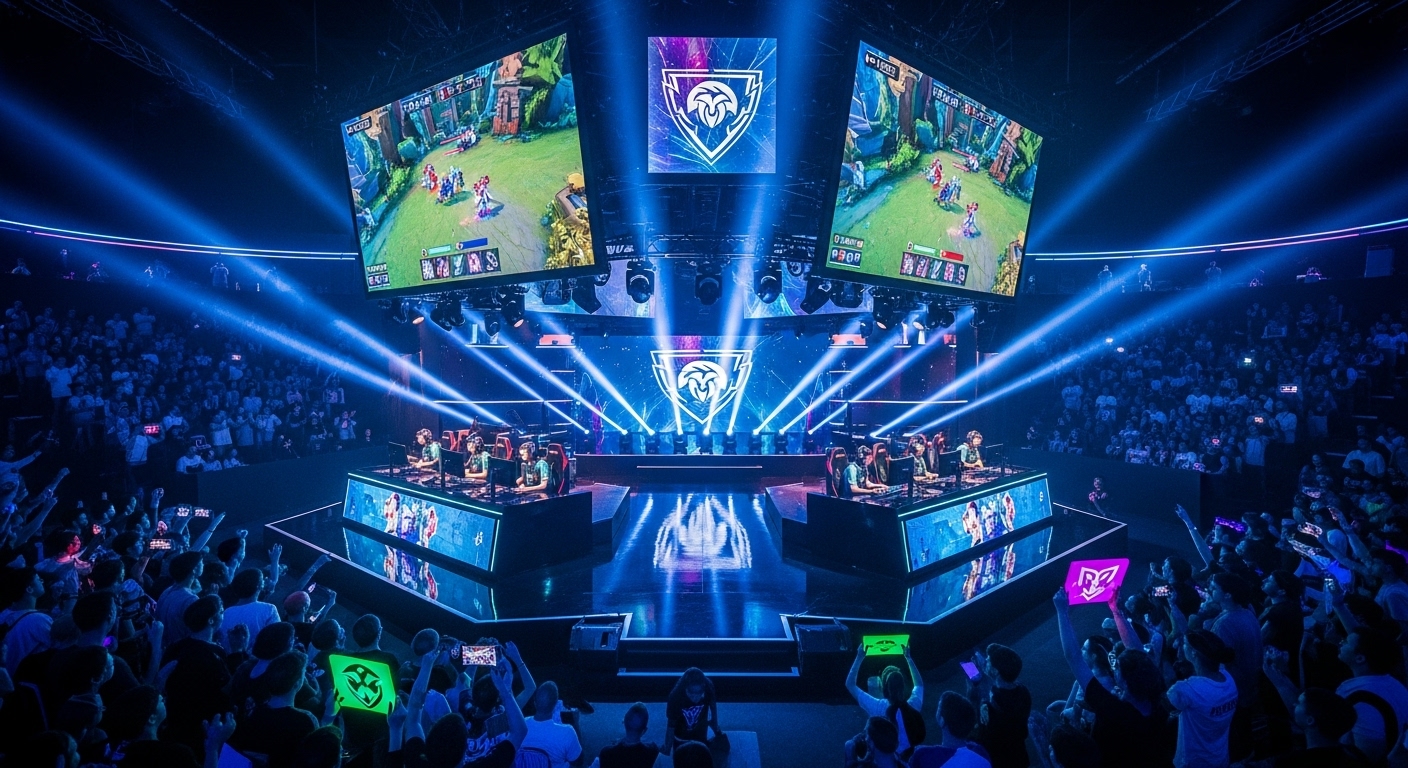
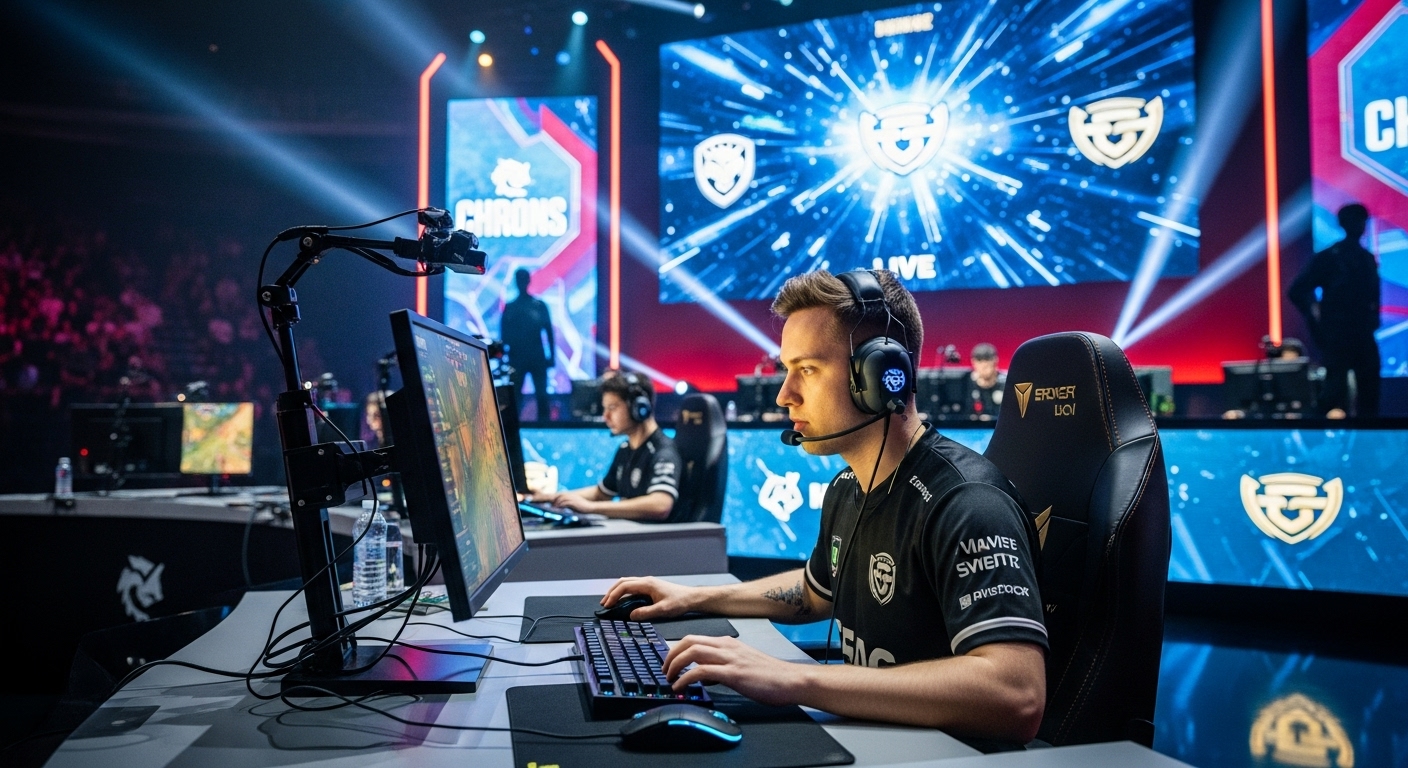
Esports, or competitive video gaming, has grown from a niche hobby into a worldwide phenomenon. What was once a pastime for teenagers in basements has evolved into a billion-dollar industry with professional teams, international tournaments, and millions of fans across the globe. Esports is not just about playing games—it is about skill, strategy, teamwork, and entertainment on an unprecedented scale. Its rise reflects not only technological advancement but also the way modern society values competition, media, and digital culture.
The Early Days of Competitive Gaming
Esports has humble beginnings. In the 1970s and 1980s, video games like Pong, Space Invaders, and Pac-Man were immensely popular, and small competitions began to emerge. The first organized gaming tournament, the Space Invaders Championship, held in the United States in 1980, attracted thousands of participants. During the 1990s, games such as StarCraft, Warcraft, and Counter-Strike created early professional scenes in South Korea, Europe, and North America. These early competitions relied on local gatherings and LAN parties, and the sense of community was as important as winning itself. These beginnings laid the foundation for the structured, professional esports industry that exists today.
The Rise of Professional Esports
The 2000s marked a turning point for esports. High-speed internet and advanced gaming hardware allowed players from different regions to compete online, creating global tournaments and leagues. Games like League of Legends, Dota 2, Call of Duty, and Overwatch popularized competitive play and attracted professional players. Dedicated esports organizations formed, recruiting talent, managing teams, and securing sponsorships. Streaming platforms, particularly Twitch, allowed fans to watch live gameplay, bringing esports to a worldwide audience. Esports became more than just playing games—it became a professional career, complete with coaches, analysts, and team managers.
Technology and Its Role in Esports
Technology has been the backbone of esports growth. High-speed internet enables seamless multiplayer gameplay and live streaming to millions of viewers. Powerful gaming computers, monitors, and peripherals provide the precision and responsiveness required for competitive play. Advanced software allows players and teams to analyze gameplay, develop strategies, and optimize performance. Streaming platforms enable fans to interact with players and follow their favorite teams in real time, creating a sense of community and immersion that traditional sports often struggle to match. Without technology, the esports industry as we know it would not exist.
The Diversity of Competitive Games
Esports encompasses a wide variety of game genres, each with its own rules, strategies, and competitive ecosystems. Multiplayer online battle arena games, such as League of Legends and Dota 2, require teamwork, coordination, and tactical decision-making. First-person shooters, like Counter-Strike and Call of Duty, test players’ reflexes, aiming precision, and situational awareness. Fighting games, sports simulations, and digital card games like Hearthstone provide their own unique challenges and attract dedicated audiences. This diversity ensures that esports appeals to a broad range of players and fans, creating multiple niches that contribute to the industry’s overall growth.
Esports as a Spectator Sport
Esports has evolved into a form of entertainment comparable to traditional sports. Tournaments are broadcast in large arenas with thousands of spectators while millions more watch online. High production values, including commentary, analysis, and instant replay, enhance the viewing experience. Fans follow their favorite teams and players passionately, similar to football, basketball, or soccer fandom. Interactive features, live chats, and community engagement make esports viewing unique, offering a more direct connection between players and audiences. This spectator culture has helped solidify esports as both entertainment and competition on a global scale.
The Economic Impact of Esports
Esports is now a multi-billion-dollar industry. Revenue streams include tournament prize money, team sponsorships, advertising, media rights, and merchandise sales. Major brands, from technology companies to food and beverage corporations, sponsor teams and events to reach the highly engaged esports audience. Professional players often earn salaries, sponsorship deals, and income from streaming or content creation. Streaming platforms generate revenue through subscriptions, donations, and advertising. This economic ecosystem mirrors traditional sports while leveraging the unique characteristics of digital culture, demonstrating that esports is both a legitimate industry and a cultural phenomenon.
Training and Professionalism
Professional esports players treat gaming with the same seriousness as athletes in traditional sports. Daily training routines often include hours of practice, studying opponents’ strategies, teamwork drills, and mental conditioning. Teams employ coaches, analysts, and even psychologists to help players maintain peak performance. Discipline, focus, and resilience are essential, as professional esports requires consistency and the ability to perform under pressure. Organizations invest in player development, creating structured environments that improve not only gaming skill but also communication, strategy, and overall well-being. The professionalism in esports has elevated it from a hobby to a respected career path.
Global Reach and Influence
Esports has a significant global presence, with major tournaments held in North America, Europe, and Asia. South Korea, China, and the United States are particularly influential in shaping the industry, producing top-tier players and hosting world-class leagues. International tournaments, such as The International for Dota 2 and the League of Legends World Championship, draw millions of viewers and offer prize pools in the millions of dollars. Esports connects players and fans from different cultures, creating a shared global community. Its international nature highlights the universal appeal of competitive gaming and the power of digital platforms to unite people worldwide.
Esports and Youth Culture
Esports resonates strongly with younger generations who have grown up in the digital age. It offers community, identity, and inspiration, encouraging players to pursue skill development, teamwork, and strategic thinking. Gaming clubs, online forums, and streaming platforms provide social spaces where fans connect, share content, and engage with their favorite games. Esports also influences fashion, media consumption, and lifestyle trends among youth, integrating itself into pop culture. For many young people, esports is more than a pastime—it is a pathway to professional opportunities, social interaction, and creative expression.
Challenges in the Industry
Despite its growth, esports faces several challenges. Player burnout and mental health issues are common due to the intense schedules and pressure to perform. Cheating, hacking, and unfair play threaten the integrity of competition. Inclusivity and diversity remain ongoing issues, as certain groups are underrepresented in professional esports. Additionally, regulation and standardization are still evolving, leading to inconsistencies in tournament rules, contracts, and player rights. Addressing these challenges is essential to ensure sustainable growth and maintain the credibility of esports as a competitive and entertainment medium.
The Future of Esports
The future of esports is promising. Advancements in virtual reality, augmented reality, and artificial intelligence could redefine the gaming experience, making competitions more immersive and interactive. Esports may increasingly integrate with mainstream media, appearing on television networks and collaborating with traditional sports leagues. Educational programs, including esports scholarships and university teams, are growing worldwide, highlighting esports as a viable pathway for learning and career development. With continued technological innovation and global interest, esports is set to become an even more significant part of the entertainment landscape.
Beyond Gaming: Cultural and Educational Impact
Esports extends beyond competitive gameplay. Content creation, streaming, and commentary have created additional career opportunities in the industry. Educational institutions are incorporating esports into programs that teach digital literacy, strategy, teamwork, and leadership. Sponsorships, merchandising, and media partnerships extend the cultural and economic influence of esports. It has become a social and cultural phenomenon that intersects with entertainment, technology, and education, demonstrating the broad potential of digital competition.
Conclusion: Redefining Competition in the Digital Age
Esports has transformed the perception of gaming, turning it from a casual hobby into a professional, global, and economically significant industry. It combines skill, strategy, entertainment, and community in ways that resonate with millions worldwide. From its early days of small tournaments to international championships with massive prize pools, esports demonstrates the power of digital competition to entertain, inspire, and connect people. While challenges remain, its continued growth and influence suggest that esports will play an increasingly important role in entertainment, culture, and professional opportunity. Esports is more than a game—it is a new era of competitive digital culture, shaping the future of entertainment in the twenty-first century.