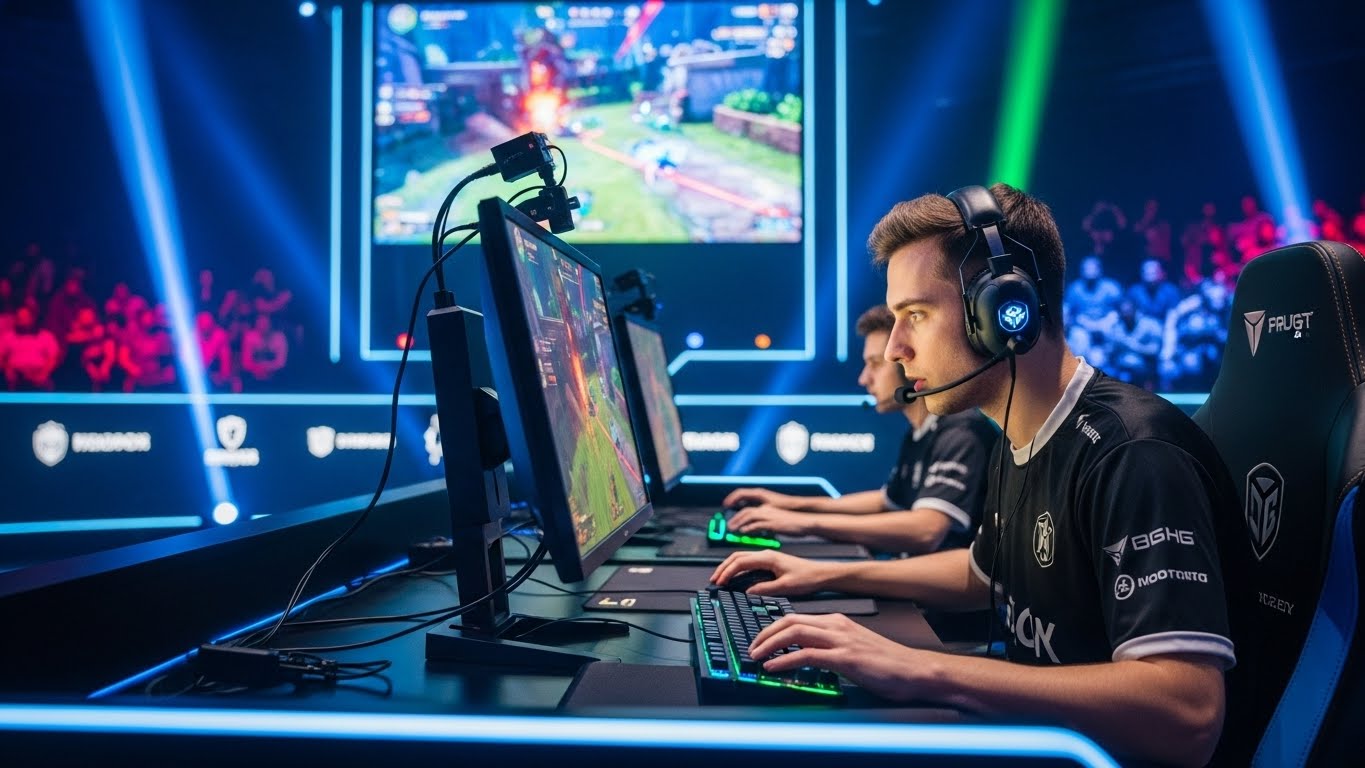
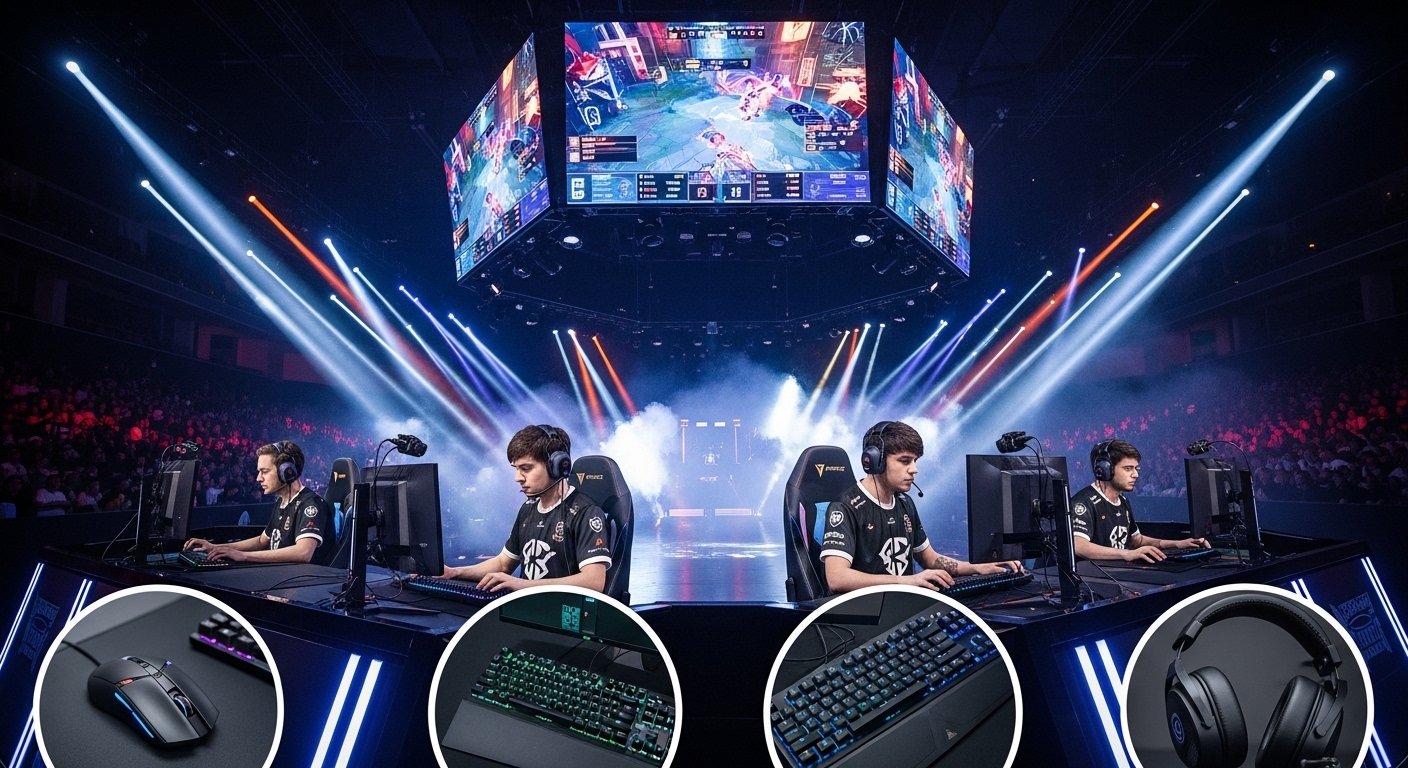
Esports, once a niche hobby for a select group of gamers, has transformed into a global phenomenon, captivating millions of fans, players, and businesses worldwide. In just a few decades, competitive gaming has moved from basement LAN parties to multi-million dollar events with prime-time TV coverage, massive sponsorships, and even college scholarships. But what exactly is esports, and how did it grow into the thriving industry it is today? This blog post explores the history, growth, and future of esports.
What is Esports?
At its core, esports refers to organized, multiplayer video game competitions, particularly between professional players, individually or as teams. Esports can encompass various genres, from first-person shooters (FPS) like “Counter-Strike” and “Overwatch” to real-time strategy games (RTS) like “StarCraft” and “Warcraft,” as well as Multiplayer Online Battle Arena (MOBA) games such as “League of Legends” and “Dota 2.” The competitive nature of these games has attracted players from all over the world, eager to prove their skills, and fans who want to watch the action unfold.
The esports industry has evolved from informal, grassroots tournaments to multi-million-dollar leagues and stadium events, with massive prize pools, international recognition, and major media deals.
The Beginnings of Esports: 1990s to Early 2000s
Esports’ roots trace back to the early 1990s, when competitive gaming first began to take shape. The first major tournaments were relatively small affairs, often hosted in local arcades or on the fledgling internet. The most notable example of early competitive gaming was the Red Annihilation Tournament in 1997, which took place for the popular FPS game Quake. The prize? A Ferrari 328 GTS, awarded to the champion, a testament to how serious the competition had already become.
In the late 1990s and early 2000s, the internet began to play a central role in shaping esports, enabling players from around the world to compete in real-time. Multiplayer games like StarCraft, Warcraft III, and Counter-Strike gained immense popularity due to their highly competitive nature and the ability for players to compete remotely. These games became the first staples of the esports community.
The formation of Cyberathlete Professional League (CPL) in 1997 was a pivotal moment. The CPL was one of the first major esports organizations, organizing large-scale tournaments with cash prizes. In 2000, the CPL hosted one of the first world championships for Quake III Arena, a milestone that helped propel esports forward.
The Growth of Esports: Mid-2000s to 2010
As broadband internet became more widely available, esports began to attract larger audiences and more professional players. Game developers also recognized the potential of esports and started to design games with competitive play in mind. This period saw the emergence of some of the most iconic games in esports history.
One of the biggest contributors to the rise of esports during the 2000s was StarCraft: Brood War, which gained massive popularity in South Korea. In fact, South Korea became a hub for esports during this period, with the country leading the charge in establishing esports as a legitimate, professional sport. The Korean ProLeague and Ongamenet (OGN) network were instrumental in bringing esports to the masses, with televised matches attracting huge audiences. Players like Lim Yo-Hwan, also known as BoxeR, became household names in South Korea, and esports was officially recognized as a professional sport in the country.
In the West, Counter-Strike and Warcraft III tournaments began to attract larger, more dedicated followings. The rise of streaming platforms like Twitch (launched in 2011) helped bring esports into homes across the globe. Players and teams could now broadcast their gameplay, allowing fans to watch their favorite players in real-time.
By the end of the 2000s, esports was no longer just a fringe hobby. It was a growing industry with professional players, teams, sponsors, and fans. Major gaming companies like Riot Games (the creators of League of Legends) and Valve (the creators of Dota 2) began to take esports seriously, investing heavily in the infrastructure necessary to support competitive gaming.
The Golden Age of Esports: 2010s
The 2010s marked the era where esports truly entered the mainstream. Esports was no longer just a subculture; it became a globally recognized phenomenon, with massive international competitions, corporate sponsorships, and large prize pools.
Major Game Titles of the 2010s
Several games released in the early 2010s would go on to become icons of the esports world:
- League of Legends (LoL) – Released in 2009, LoL quickly became one of the most popular esports titles in the world, with its annual World Championship drawing millions of viewers. The 2013 World Championship had over 32 million viewers, making it one of the most-watched events in esports history.
- Dota 2 – Valve’s release of Dota 2 in 2013 introduced one of the most complex and competitive MOBAs to the esports world. The International, Dota 2’s flagship tournament, began in 2011, and by 2018, its prize pool reached over $25 million, setting a record for the largest prize pool in esports history.
- Overwatch – Released in 2016 by Blizzard Entertainment, Overwatch helped establish the Overwatch League, which began in 2018 as one of the first major franchised esports leagues. The game became popular for its fast-paced, team-oriented play and its emphasis on hero-based abilities.
- Counter-Strike: Global Offensive (CS:GO) – Launched in 2012, CS:GO revitalized the Counter-Strike franchise, becoming one of the most played and widely-viewed esports titles. Its tournaments, like the CS:GO Major Championships, attracted massive viewership and sponsorships from top-tier brands.
As these games dominated the competitive gaming scene, other games like Call of Duty, Hearthstone, and Rocket League also carved out their own niches in the esports ecosystem.
The Rise of Esports Events
The 2010s witnessed the birth of iconic esports tournaments, which would go on to become annual spectacles drawing massive viewership:
- League of Legends World Championship – This tournament became one of the most anticipated events in esports. The 2019 LoL World Championship boasted an incredible 100 million unique viewers, making it one of the most-watched live events in history.
- The International (Dota 2) – The International saw its prize pool grow year after year, thanks to its unique crowd-funding model, where fans could contribute to the prize pool by purchasing in-game cosmetics. The 2018 International set a record with its prize pool surpassing $25 million.
- Overwatch League – With its franchised structure, the Overwatch League (OWL) offered a glimpse into the future of esports as a professional sport, similar to traditional leagues like the NBA or NFL. The OWL featured teams from major cities around the world, including New York, Los Angeles, and London.
Esports Goes Mainstream
In the 2010s, esports began to attract serious attention from traditional sports organizations and mainstream media. Major brands like Coca-Cola, Pepsi, and Intel began sponsoring esports tournaments, further legitimizing esports as a mainstream sport. Esports athletes became celebrities, with some like Faker (Lee Sang-hyeok) from League of Legends achieving global fame.
As streaming platforms like Twitch and YouTube Gaming grew, esports found a natural home, allowing fans to watch their favorite players and teams live. By the mid-2010s, esports had attracted partnerships with traditional sports leagues like the NBA and NFL, and even television networks began broadcasting esports events.
The Professionalization of Esports
With its rapid growth, esports began to professionalize, with players and teams becoming more organized, and organizations focused on maximizing their brand’s exposure and profitability.
Esports Teams and Players
Esports teams began to emerge as powerhouses, with organizations like Cloud9, Fnatic, Team Liquid, and SK Telecom T1 becoming household names in the esports world. These teams employed coaching staff, analysts, and support personnel, much like traditional sports teams. Players, too, became full-time professionals, often training for hours each day to hone their skills.
The professionalization of esports also led to the creation of player contracts, sponsorships, and even a growing focus on player welfare. As esports organizations and teams grew, so did the amount of money involved. Some esports players now earn salaries in the hundreds of thousands, and top players can make millions annually from tournament winnings and sponsorships.
The Role of Sponsorships
Sponsorships have become a cornerstone of the esports industry, with brands eager to associate themselves with the explosive growth of competitive gaming. Companies like Red Bull, Alienware, and Razer have long been involved in sponsoring players, teams, and tournaments. Additionally, traditional media outlets like ESPN and TBS have aired esports events, further boosting the visibility of competitive gaming.
The Future of Esports
The future of esports looks incredibly bright, with continued growth expected in both viewership and investment. As technology continues to evolve, we may see even more advanced experiences for fans, such as virtual reality (VR) or augmented reality (AR) esports tournaments, allowing fans to interact with the games in new and exciting ways.
One area where esports is already making strides is in education. With the rise of esports in schools and universities, students can now earn scholarships to play in professional leagues, giving esports even more legitimacy as a career path. Colleges across the world have started offering competitive gaming programs, allowing players to get the same level of education and coaching that athletes in traditional sports enjoy.
Moreover, esports’ entry into mainstream sports media shows no signs of slowing down. With media giants, tech companies, and traditional sports leagues becoming more involved in the industry, it is clear that esports has a prominent place in the future of entertainment and sports.
Conclusion
Esports has come a long way from its humble beginnings in local LAN parties and small competitions. Today, it is a multi-billion-dollar industry, with professional players, massive tournaments, dedicated fans, and major media attention. The growth of esports is a testament to the passion of its players, fans, and the gaming community. With continued investment, development, and technological advances, esports is set to continue growing, becoming an integral part of the global entertainment landscape. The future of competitive gaming is bright, and we can only imagine what innovations lie ahead.