Introduction
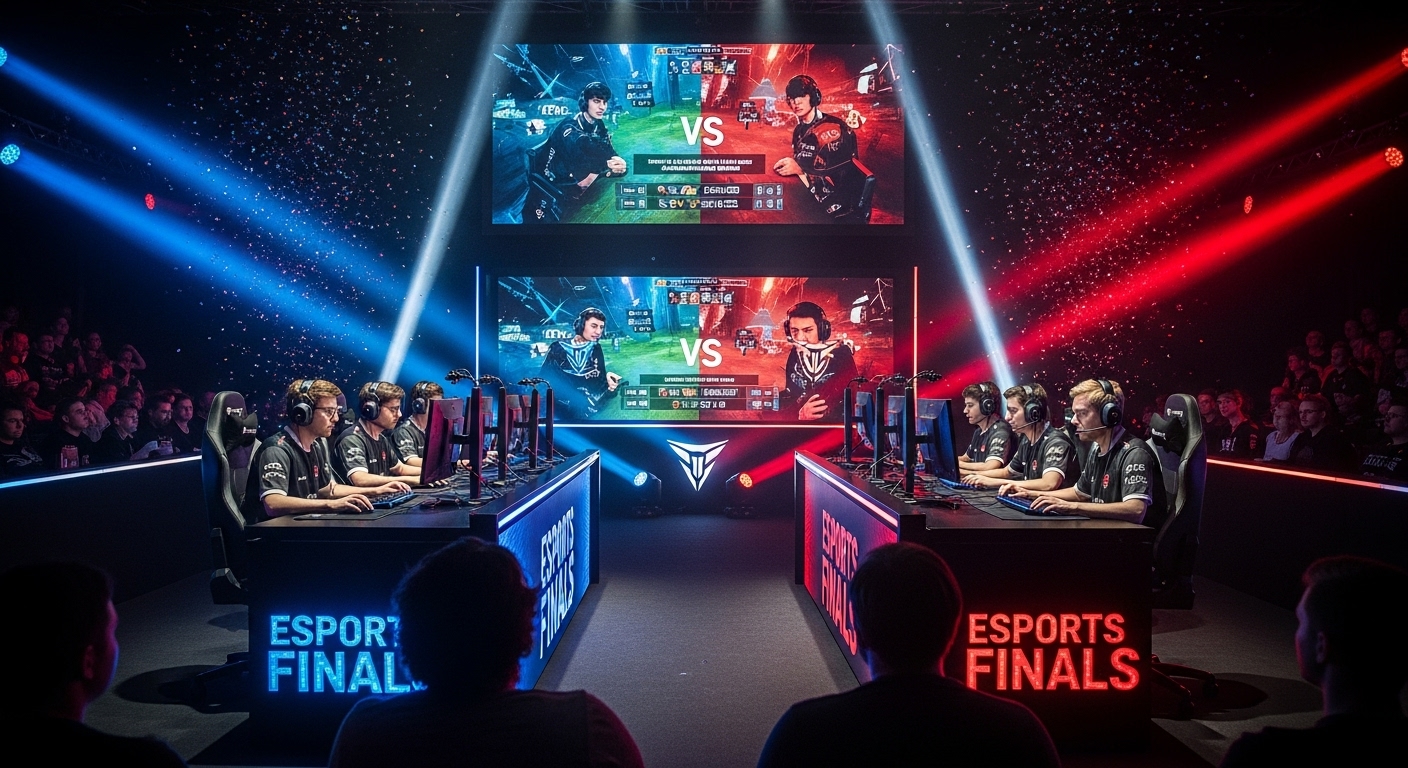
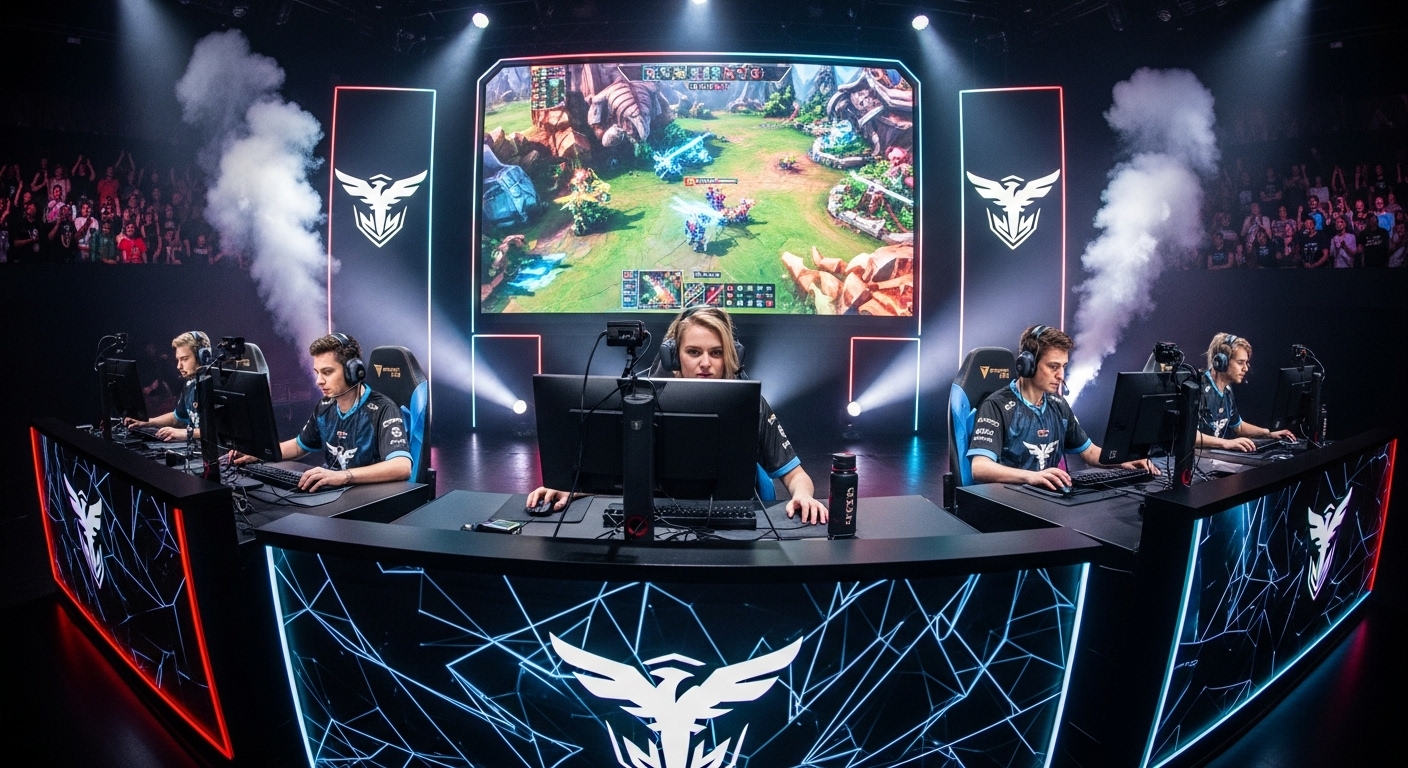
Esports, or competitive gaming, has evolved into a global force that is revolutionizing the world of entertainment. What started as a small community of players gathered around LAN parties or early online games has now grown into a multi-billion-dollar industry, with millions of fans, players, sponsors, and organizations supporting it. Whether it’s watching your favorite players compete in a League of Legends tournament or joining the excitement of a Fortnite battle royale, esports has become a central part of the global entertainment landscape. This rise of esports as both a professional and spectator sport is not just a trend, but rather a sign of how digital culture and traditional sports have merged in the 21st century.
The Birth of Esports: Humble Beginnings
Esports traces its roots back to the late 20th century when competitive gaming was a niche activity reserved for dedicated hobbyists and early gaming communities. The first recognized esports tournament was held in 1972, called the “Intergalactic Spacewar Olympics,” where players competed in Spacewar, a game developed at Stanford University. However, it was the release of early multiplayer games like Doom, Warcraft, and StarCraft in the 1990s that sparked the real growth of competitive gaming. These games allowed players to battle against each other online, and soon, gaming competitions began to emerge.
In the early days, esports was largely confined to LAN (local area network) parties, where players would gather in person to compete. These tournaments were small, informal affairs, but the excitement they generated among participants laid the groundwork for the industry that would eventually explode in size. However, it wasn’t until the internet became more accessible and the development of games like Quake and Counter-Strike occurred that esports truly began to pick up steam.
Esports Expands: The Early 2000s
The early 2000s marked a pivotal moment for esports. Major international tournaments like the Cyberathlete Professional League (CPL) and World Cyber Games (WCG) began to take shape, offering both prestige and prize money. These early events helped establish esports as a legitimate form of competition, drawing players and viewers from around the world. The release of Warcraft III and StarCraft: Brood War further expanded the appeal of competitive gaming, especially in Asia, where titles like StarCraft became cultural phenomena.
With the rise of broadband internet, the global gaming community flourished, and more people began participating in online multiplayer games. Esports tournaments began attracting larger audiences and offering more significant prizes. This was also the era when gaming companies like Blizzard Entertainment and Valve Corporation began to understand the potential of competitive gaming and invested in creating professional esports leagues for their titles, such as StarCraft II and Dota 2.
The Boom: 2010s and the Mainstream Acceptance of Esports
While esports had been growing steadily for years, it was the 2010s when it truly exploded into the mainstream. Several factors contributed to this rise in popularity. First, the advent of streaming platforms like Twitch revolutionized the way fans could watch their favorite games. No longer limited to watching live events in person or on television, fans could now tune in to live streams and watch professional players compete in real-time.
The success of games like League of Legends played a crucial role in esports’ surge. Released by Riot Games in 2009, League of Legends became one of the most-played games globally and served as the foundation for the League of Legends World Championship, which quickly became one of the most-watched esports events in history. The 2018 League of Legends World Championship, for example, attracted over 100 million viewers, rivaling the viewership of traditional sports events like the Super Bowl.
As the popularity of esports grew, so did the financial opportunities. Esports organizations and professional players began securing lucrative sponsorships from major brands like Coca-Cola, Intel, and Red Bull. These sponsorships not only helped fund tournaments and players’ careers but also cemented esports’ legitimacy in the eyes of mainstream media and businesses.
The rapid growth of esports led to the formation of professional leagues, such as the Overwatch League, which brought teams from around the world into a franchised, city-based competition system similar to that of major sports leagues like the NFL or NBA. As these leagues and tournaments expanded, the industry’s revenue skyrocketed, with esports becoming a billion-dollar business.
Esports as a Career: The Professionalization of Gaming
One of the key factors in the evolution of esports has been the professionalization of gaming. In the early days, competitive gamers were often seen as hobbyists or enthusiasts, but as esports began to grow, so did the recognition of players as legitimate athletes. Today, professional gamers are some of the most skilled individuals in the world, and many of them have turned gaming into a full-time career.
Esports players train just like athletes in traditional sports, practicing for hours a day to hone their skills and strategies. Their gameplay is analyzed, and they often work with coaches, nutritionists, and psychologists to optimize their performance. Many players have also built substantial personal brands, streaming their gameplay on platforms like Twitch and YouTube, where they can interact with fans and make money through subscriptions, donations, and sponsorships.
Top-tier esports players are compensated handsomely. Prize pools for major tournaments can reach tens of millions of dollars, and some professional players earn six-figure salaries from their contracts with esports organizations. The potential for fame, wealth, and recognition has made esports an attractive career path for young gamers, further driving the industry’s expansion.
The Audience: Esports Fans and Community
Esports has also fostered a massive global fan base that rivals traditional sports. Esports fans are known for their passionate support of players, teams, and games. Online platforms like Twitch, YouTube Gaming, and Facebook Gaming allow fans to watch live events, engage with players, and discuss strategies in real-time. Fans can support their favorite players and teams by buying merchandise, attending live events, or even participating in online tournaments themselves.
Unlike traditional sports, where fandom is often limited to local or national teams, esports fans can support players and teams from around the world. The global nature of esports has created a diverse and inclusive community where fans from different countries and cultures come together to celebrate their shared love for gaming.
Tournaments and leagues like the League of Legends World Championship, The International (Dota 2), and Overwatch League are now watched by millions, with some events attracting stadiums full of fans. These live events are often accompanied by large-scale broadcasts, analysis panels, and fan meet-and-greet opportunities, making them immersive experiences for everyone involved.
The Business of Esports: Sponsors, Advertising, and Revenue Streams
As esports continues to grow, its business landscape has expanded significantly. Sponsorships from major brands, especially in the tech, beverage, and energy sectors, have become a critical source of revenue for esports organizations and events. Companies like Intel, Coca-Cola, and Audi are investing heavily in the esports ecosystem, recognizing the massive audience that competitive gaming has attracted.
Advertising is another key revenue stream. Esports broadcasts are often sponsored by companies that want to promote their products to the highly engaged esports audience. These advertisements are integrated into live streams, social media campaigns, and digital platforms, creating a direct connection between brands and viewers. This has proven to be an effective marketing strategy, as the esports audience is young, tech-savvy, and highly active online.
Esports also benefits from other forms of monetization, such as merchandise sales, ticket sales for live events, and media rights for broadcasting tournaments. The revenue generated from these streams has led to the rise of esports-specific television networks, where fans can watch tournaments and original content dedicated to competitive gaming.
Esports in the Future: Growth and Innovation
The future of esports looks incredibly bright, with continued growth and innovation on the horizon. The rise of new technologies, such as virtual reality (VR) and augmented reality (AR), could revolutionize the way esports tournaments are played and watched. VR, in particular, has the potential to create fully immersive esports experiences, where players and viewers can interact with the game in ways that were previously unimaginable.
Esports is also expected to continue its expansion into traditional sports spaces. Major professional sports leagues, such as the NFL and NBA, have started investing in esports teams and tournaments, recognizing the potential to capture a younger demographic. It’s likely that more traditional sports organizations will adopt esports into their portfolios, leading to greater crossovers between the two industries.
Furthermore, as mobile gaming continues to rise in popularity, mobile esports is expected to grow significantly. Games like PUBG Mobile and Mobile Legends are already creating their own competitive scenes, and mobile esports tournaments are becoming more common, especially in regions like Southeast Asia. As smartphones become more powerful, mobile esports will continue to challenge traditional PC and console esports for dominance.
Conclusion
Esports has come a long way from its humble beginnings as a hobby for dedicated gamers. Today, it stands as a multi-billion-dollar industry with a massive global following. The professionalization of competitive gaming, the rise of streaming platforms, the passionate fan base, and the increasing involvement of major brands and sponsors have all contributed to esports’ rise to the mainstream.
As we look to the future, it’s clear that esports is more than just a passing trend. It has firmly established itself as a central part of the global entertainment landscape. With new technologies, growing investment, and expanding opportunities for players and fans alike, esports will continue to push the boundaries of what is possible in competitive entertainment. What started as a niche activity is now a global phenomenon, and its impact on both the gaming