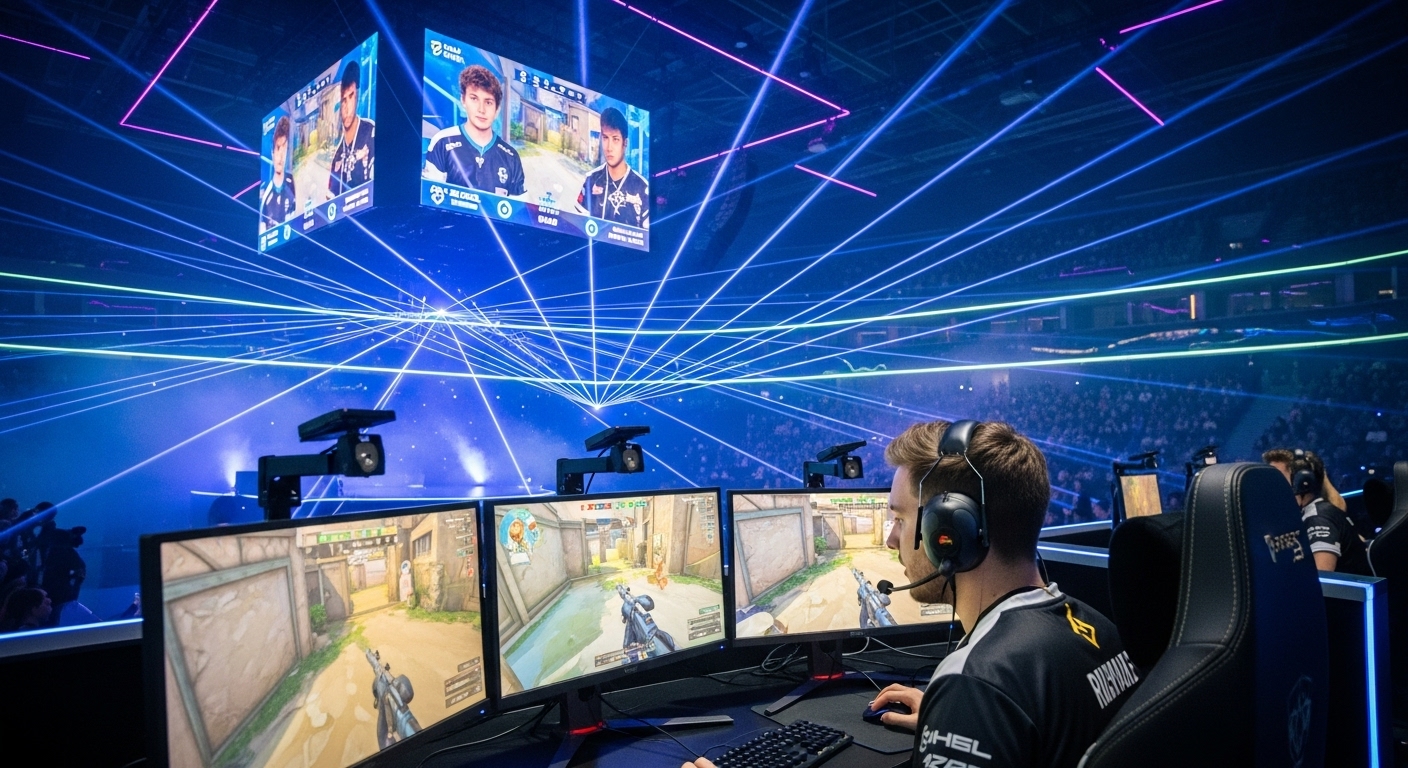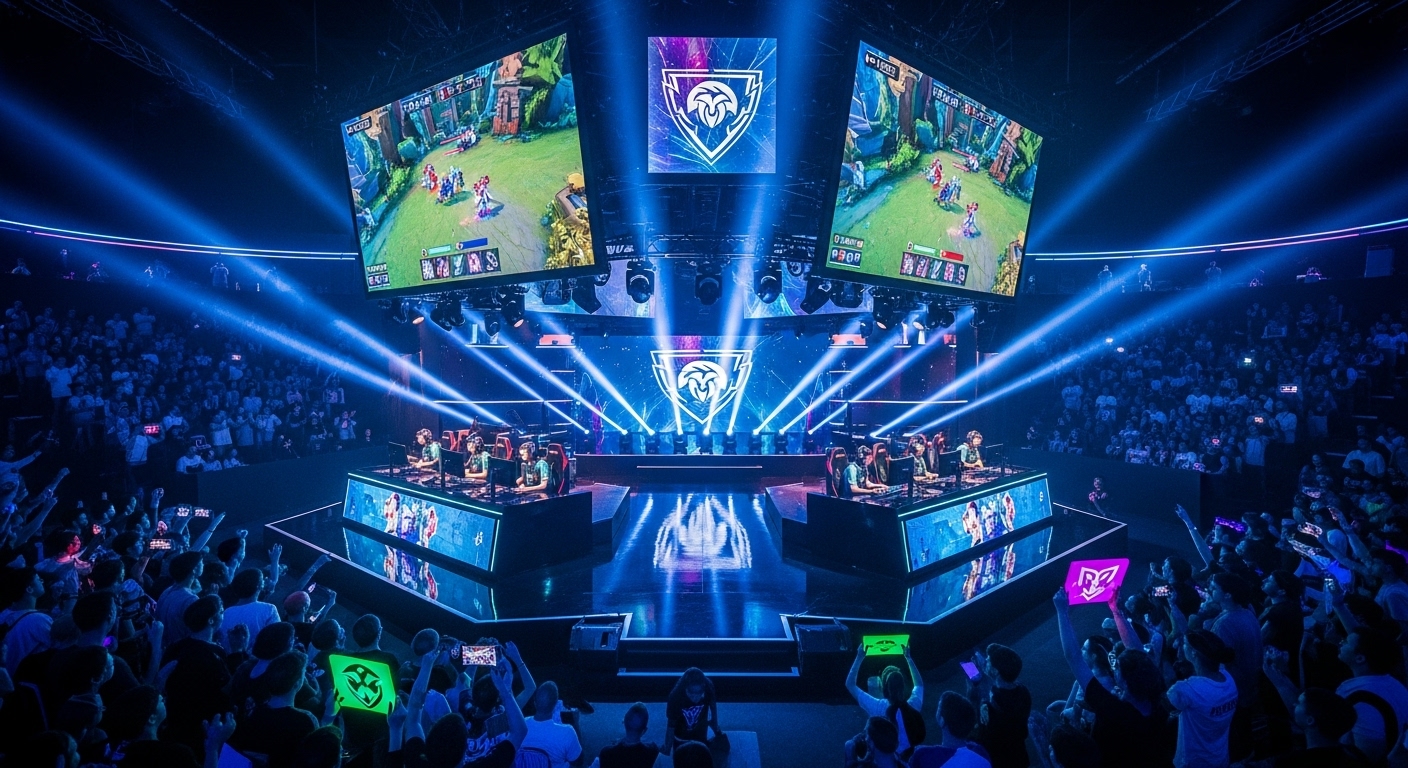

Esports has transformed from a niche interest into one of the largest and fastest-growing entertainment industries in the world. Once reserved for passionate gamers and dedicated fan communities, competitive gaming now attracts millions of viewers, top-tier athletes, and significant investments from major brands. In a short time, esports has reshaped the landscape of competitive entertainment, and it shows no signs of slowing down. In this blog post, we’ll explore the rise of esports, the forces driving its growth, and what the future holds for this dynamic industry.
The Humble Beginnings of Esports
Esports, or electronic sports, is the term used to describe competitive video gaming, where players or teams compete against each other in tournaments or leagues. While video games have been around for decades, the concept of organized competitive play didn’t truly take off until the late 1990s and early 2000s. Early examples of esports can be traced to arcade competitions and LAN (Local Area Network) tournaments, where players gathered in physical locations to face off in games like Street Fighter or Quake.
The first real breakthrough came in the form of online games and tournaments. Titles like StarCraft, Warcraft III, and Counter-Strike became the foundation for competitive gaming, as players from around the world could compete in real-time through the internet. The formation of major online platforms like Battle.net and Xfire allowed gamers to connect, form teams, and compete in organized events. It was a time when esports was largely underground, with small-scale tournaments and grassroots organizations driving its growth.
The Rise of Esports Tournaments and Leagues
In the early 2000s, esports began to gain momentum with the establishment of formal tournaments and leagues. One of the most important milestones was the creation of Major League Gaming (MLG) in 2002, which helped legitimize esports as a serious competitive sport in North America. MLG’s tournaments, particularly for games like Halo and Call of Duty, began attracting attention from mainstream media, as well as sponsorship deals with brands like Pepsi and Xbox.
Simultaneously, in South Korea, the rise of StarCraft as a national pastime helped esports become an established cultural phenomenon. South Korea’s dedication to esports led to the formation of professional gaming teams, televised events, and national championships. The country’s government even supported the creation of PC Bangs (gaming cafes) and invested in the esports infrastructure, making it one of the world’s leading nations in competitive gaming.
These developments paved the way for the global expansion of esports. Major tournaments like The International (for Dota 2), League of Legends World Championship, and EVO (for fighting games) began to draw massive live audiences and online viewers. The prize pools for these tournaments reached astronomical figures, with some events offering multi-million-dollar purses, making esports a legitimate career path for top players.
The Growth of Viewership and Streaming Platforms
One of the key factors in the explosive growth of esports has been the rise of online streaming platforms like Twitch and YouTube Gaming. These platforms provide an easy way for players to broadcast their matches to a global audience. Twitch, in particular, revolutionized the way people engage with esports by allowing fans to watch live streams of their favorite players, teams, and tournaments in real-time.
The accessibility of live streaming has been a game-changer for esports, allowing it to transcend geographical boundaries. Fans no longer have to travel to distant arenas to watch major events; they can tune in from the comfort of their homes, connecting with communities and interacting with players through live chats. Esports broadcasts often feature expert commentary, analysis, and interviews, further enhancing the viewing experience and turning esports into a spectator sport.
Esports has also been able to tap into the youth market, particularly Generation Z, who are more inclined to watch video content than traditional TV. The result has been an ever-growing fanbase that consumes esports content on multiple platforms, further solidifying esports’ place as a mainstream form of entertainment.
The Professionalization of Esports: Athletes, Teams, and Sponsorships
As esports gained more attention, it began to mirror traditional sports in terms of professionalization. Top players began to form dedicated teams, sign contracts with sponsors, and receive salaries based on their performance and sponsorships. Just like any other athlete, esports players now train regularly, work with coaches, and participate in team-building activities to improve their performance.
Esports teams, much like in traditional sports, have become brand names in their own right. Teams like Cloud9, Team Liquid, Fnatic, and T1 are recognized worldwide, and their players are treated as athletes. These teams compete in a variety of games, from League of Legends and Fortnite to Counter-Strike: Global Offensive and Overwatch, with each game having its own tournament circuits, leagues, and prize pools.
Esports also attracts high-profile sponsors from industries ranging from technology and gaming hardware to consumer goods and apparel. Major brands such as Intel, Red Bull, Coca-Cola, and Mercedes-Benz have entered the esports arena, signing sponsorship deals with tournaments, teams, and individual players. These sponsorships help fuel the growth of the industry and provide the financial backing necessary for tournaments to thrive.
The Esports Ecosystem: Games, Fans, and Careers
What sets esports apart from traditional sports is the variety of games that make up the competitive gaming landscape. While games like League of Legends, Dota 2, and CS:GO dominate in terms of viewership and competitive play, there is a broad range of games that cater to different types of players and fans. Battle Royale games like Fortnite and PUBG have their own esports scenes, while fighting games, racing simulations, and mobile games also feature competitive play at high levels.
In addition to the players and teams, there is a complex ecosystem surrounding esports. This includes game developers, tournament organizers, broadcasters, analysts, and content creators, all of whom contribute to the growth and sustainability of esports. In fact, many people now make a living through esports-related careers, whether by commentating, creating YouTube content, or managing esports teams.
Furthermore, esports fans have become an integral part of the experience. They support their favorite teams, cheer for players, and even engage in fantasy esports leagues, similar to traditional sports fantasy leagues. Esports fandom is highly interactive, with fans able to communicate with players, attend live events, and contribute to the community through social media and streaming platforms.
The Future of Esports: A Global Industry on the Rise
Esports is still in its adolescence, and its future holds boundless potential. The industry is expected to continue growing in terms of viewership, prize pools, sponsorships, and global reach. It’s possible that esports will soon be included in major events like the Olympics, further solidifying its place as a mainstream sport.
One key area of growth is the expansion of esports into new markets. Countries like China, India, and Brazil are seeing an explosion in esports participation and viewership, while regions like Africa are also showing increasing interest in competitive gaming. As more people around the world gain access to high-speed internet and gaming devices, esports will continue to expand its fanbase.
Additionally, technological advancements such as virtual reality (VR) and artificial intelligence (AI) could bring new levels of immersion and competition to esports. Imagine a future where esports events are played in fully immersive VR arenas, where players can physically move within the game world, or AI-driven competitions where human and machine face off in real-time.
Conclusion: Esports as a Cultural and Economic Powerhouse
Esports has grown into much more than just a hobby for gamers. It is now a cultural and economic powerhouse, with a global audience, professional athletes, and significant investments from major corporations. Whether you’re a casual fan or a die-hard follower, esports offers something for everyone: excitement, competition, community, and entertainment.
As the industry continues to grow and evolve, it will likely continue to shape the future of entertainment, with esports becoming an even more integral part of our cultural fabric. Whether you’re watching a major tournament from your couch, cheering on your favorite team, or following the journey of a rising star, it’s clear that esports is here to stay.