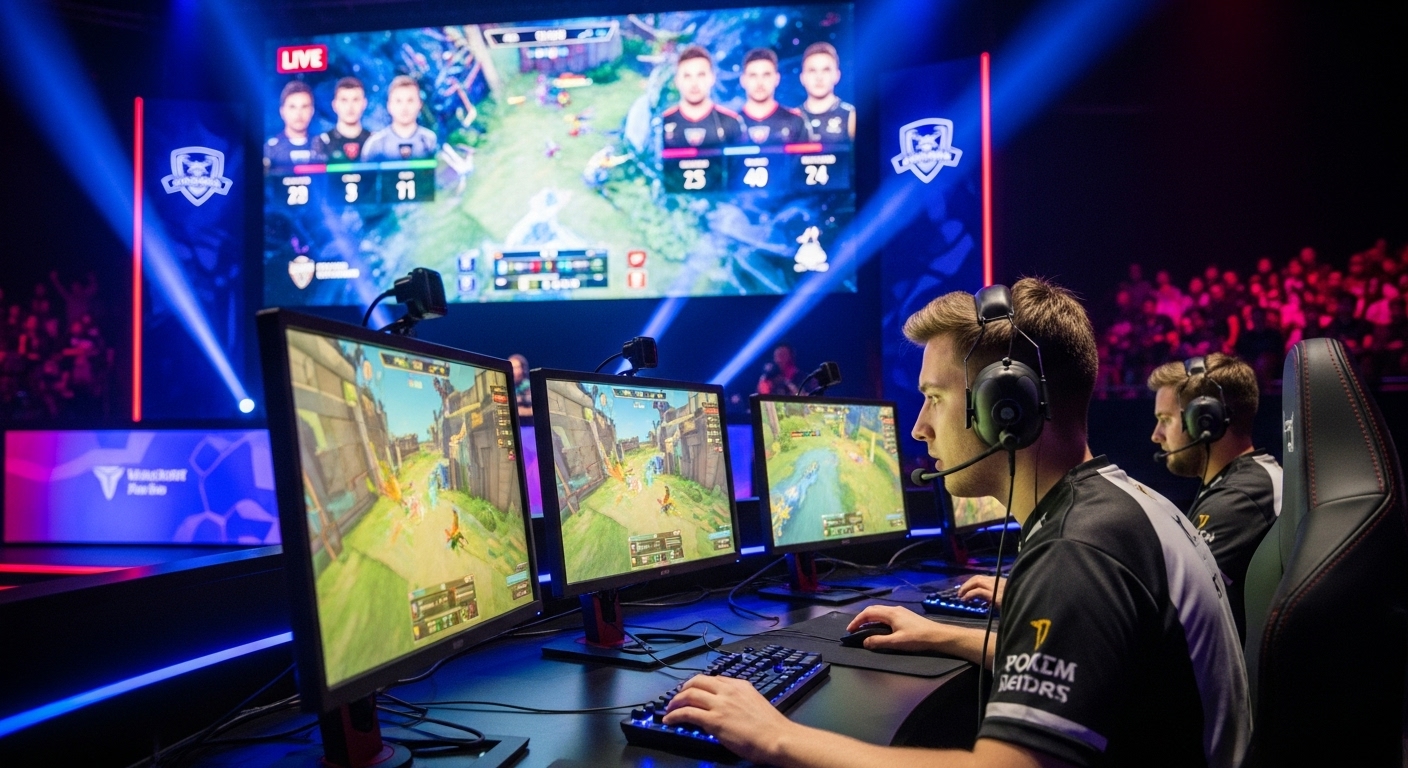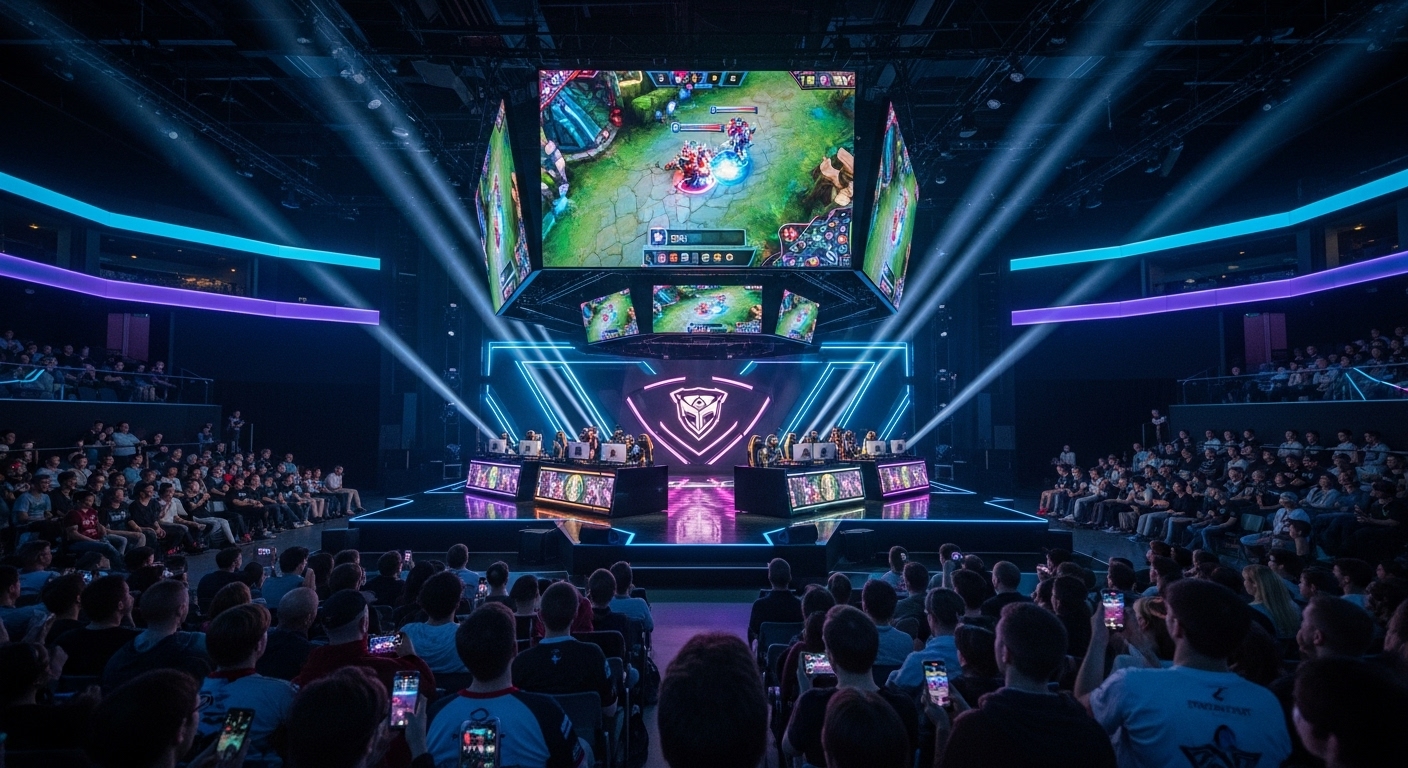

Esports, short for electronic sports, has become an undeniable force in the world of entertainment. Over the last decade, it has evolved from a niche hobby to a multi-billion-dollar industry that spans across continents and attracts millions of viewers. What once began as small LAN tournaments and casual video game competitions has now grown into a globally recognized phenomenon, captivating audiences of all ages.
In this blog post, we will explore the rise of esports, its impact on traditional sports and entertainment, the unique ecosystem surrounding competitive gaming, and its future trajectory. From the growth of esports organizations to the shift in consumer entertainment preferences, esports has proven itself to be a dominant force that is reshaping the world of competition and digital entertainment.
The Origins and Evolution of Esports
Esports’ journey began in the early 1990s when video game competitions began to gain traction in local arcades and through personal computer gaming. Titles like Street Fighter, Doom, and Warcraft were some of the first games to host competitive tournaments, albeit on a smaller scale. These events were largely localized, with participants coming together to test their skills in friendly, albeit serious, matches.
As technology advanced and internet connectivity became more accessible, esports began to evolve into a global phenomenon. The rise of multiplayer games such as StarCraft and Quake in the late 1990s allowed players to compete against one another from different parts of the world, setting the stage for the esports scene that we recognize today.
In the early 2000s, platforms like MLG (Major League Gaming) and ESL (Electronic Sports League) began hosting large-scale tournaments with professional players, teams, and sponsors. These tournaments garnered significant attention, both from fans and advertisers. It was at this time that the esports industry began to truly take shape, and by the mid-2010s, the sector had grown into a multi-billion-dollar industry with global reach.
Esports: A Global Spectacle
One of the main driving forces behind esports’ incredible growth is its global appeal. Unlike traditional sports, which often face regional barriers due to physical location and infrastructure, esports is bound only by internet connectivity. Anyone, anywhere in the world, can participate or watch an esports event. This international reach has fostered a diverse, global community of gamers and fans.
Tournaments such as The International (Dota 2), League of Legends World Championship, and Fortnite World Cup attract millions of viewers across the globe. The International, for example, boasts prize pools that exceed $30 million, making it one of the most lucrative esports tournaments worldwide. These events are broadcast live on streaming platforms like Twitch, YouTube Gaming, and Facebook Gaming, which have become major hubs for both watching and interacting with esports content.
Additionally, the cultural impact of esports is undeniable. Players, teams, and streamers have become celebrities in their own right, often amassing millions of followers on social media and creating their own personal brands. Platforms like Twitch and YouTube have enabled these figures to connect with fans on a deeper level, offering live streams of their gameplay, personal vlogs, and even live Q&A sessions.
The Esports Ecosystem: Teams, Leagues, and Sponsors
At the heart of esports is its ecosystem, which involves professional players, teams, tournaments, sponsors, and media outlets. This ecosystem has grown exponentially in recent years, with major organizations investing heavily in esports talent and infrastructure.
Professional Players and Teams
Professional esports players are the stars of the industry. These individuals are highly skilled and spend hours each day honing their craft in order to remain competitive. Similar to traditional sports, players often specialize in specific games, such as League of Legends, Counter-Strike: Global Offensive, Valorant, and Overwatch. Players are typically contracted by esports organizations, which manage their training, sponsorships, and career development.
Teams play a vital role in the esports scene, as they bring together multiple players who specialize in different roles within a game. These teams often compete in various regional and international tournaments, and their success directly correlates with their brand’s recognition and financial backing. Some of the most successful and recognizable esports teams include Team Liquid, Cloud9, Fnatic, and G2 Esports.
Esports Leagues
Much like traditional sports leagues (NBA, NFL, etc.), esports now features highly organized leagues, such as the League of Legends Championship Series (LCS), Overwatch League (OWL), and Call of Duty League (CDL). These leagues offer structured competition with regular seasons, playoffs, and championships. Players are contracted to these leagues, and the matches are often broadcast live to millions of fans.
The rise of franchising within esports leagues has further professionalized the scene. In these leagues, organizations purchase franchise slots, ensuring their place in the competition for multiple years. This model mirrors traditional sports leagues, creating stability and ensuring that top-tier teams can continue to participate in premier competitions.
Sponsors and Investors
Sponsorships and investments play a crucial role in the financial viability of esports. Top brands, including Nike, Coca-Cola, Intel, and Red Bull, have entered the esports market, backing teams, players, and events. These sponsorships allow for the lucrative prize pools, high-quality broadcasts, and player salaries that have made esports a viable career for many.
Additionally, venture capitalists and private equity firms have shown increasing interest in the esports sector. With its rapid growth and potential for further expansion, esports has become an attractive investment opportunity, leading to the creation of new business models and more professionalized management of esports entities.
Esports vs. Traditional Sports: The New Entertainment Landscape
Esports is not just a passing trend—it is reshaping the entire entertainment industry. The comparison between esports and traditional sports has become a topic of ongoing debate, especially as esports continues to grow in popularity.
One of the key advantages esports has over traditional sports is accessibility. While traditional sports often require specific equipment, venues, and physical ability, esports only requires a computer or console and an internet connection. This democratizes the ability to participate, regardless of age, location, or physical limitations.
Another factor contributing to esports’ rise is its younger, tech-savvy audience. Esports has found a loyal fanbase among Generation Z and millennials, who are more likely to watch digital content than traditional television or live sports broadcasts. In fact, studies have shown that many young viewers prefer watching esports over traditional sports due to the interactive and dynamic nature of gaming.
Despite this, traditional sports continue to hold significant cultural value, and esports has not yet completely replaced them in the hearts of many fans. However, it is clear that esports is no longer a fringe activity—it is now a mainstream form of entertainment that coexists with traditional sports, attracting new generations of fans to competitive events.
The Future of Esports: Growth and Challenges Ahead
As esports continues to grow, several trends and challenges will shape its future.
Growth in Mobile Esports
While traditional esports have primarily been centered around PC and console gaming, mobile gaming is poised to become a dominant force in the esports scene. Games like PUBG Mobile and Free Fire have already seen explosive growth in countries like India, China, and Southeast Asia. As mobile devices become more powerful, we can expect to see an even greater emphasis on mobile esports tournaments in the coming years.
Integration with Traditional Sports
Another exciting development is the growing integration between traditional sports and esports. Major sports leagues like the NBA and NFL have already begun to incorporate esports into their programming. The NBA 2K League, for example, is a collaboration between the NBA and Take-Two Interactive, where players compete in the NBA 2K game, mimicking real-life NBA teams.
This crossover between physical and digital sports is likely to expand, offering new ways for fans to engage with both forms of competition.
Regulation and Sustainability
As the esports industry matures, the need for regulation and sustainability will become more pressing. Issues related to player health, cheating, match-fixing, and contracts will need to be addressed. Additionally, ensuring that the mental and physical well-being of players is prioritized will be crucial as esports players often face intense pressure and long hours of practice.
Virtual Reality and Augmented Reality
In the long-term future, virtual reality (VR) and augmented reality (AR) may play a transformative role in esports. These technologies could offer immersive gaming experiences that take spectators and players alike into entirely new worlds. While VR esports are still in their infancy, the potential for immersive, fully realized virtual competitions could take the industry to new heights.
Conclusion: Esports is Here to Stay
Esports has come a long way since its humble beginnings in the 1990s, and its trajectory suggests it will only continue to grow in the coming years. With a global fanbase, significant financial investments, and increasing mainstream acceptance, esports is cementing itself as a major player in the entertainment world. The rise of competitive gaming has forever altered the landscape of how we consume and participate in sports, offering new opportunities for players, fans, and organizations alike.
As the industry matures and diversifies, esports will continue to push the boundaries of entertainment, merging technology, competition, and culture in ways that were once unimaginable. Whether you’re a hardcore gamer or just a curious observer, the rise of esports is an exciting development that promises to redefine the future of digital entertainment.