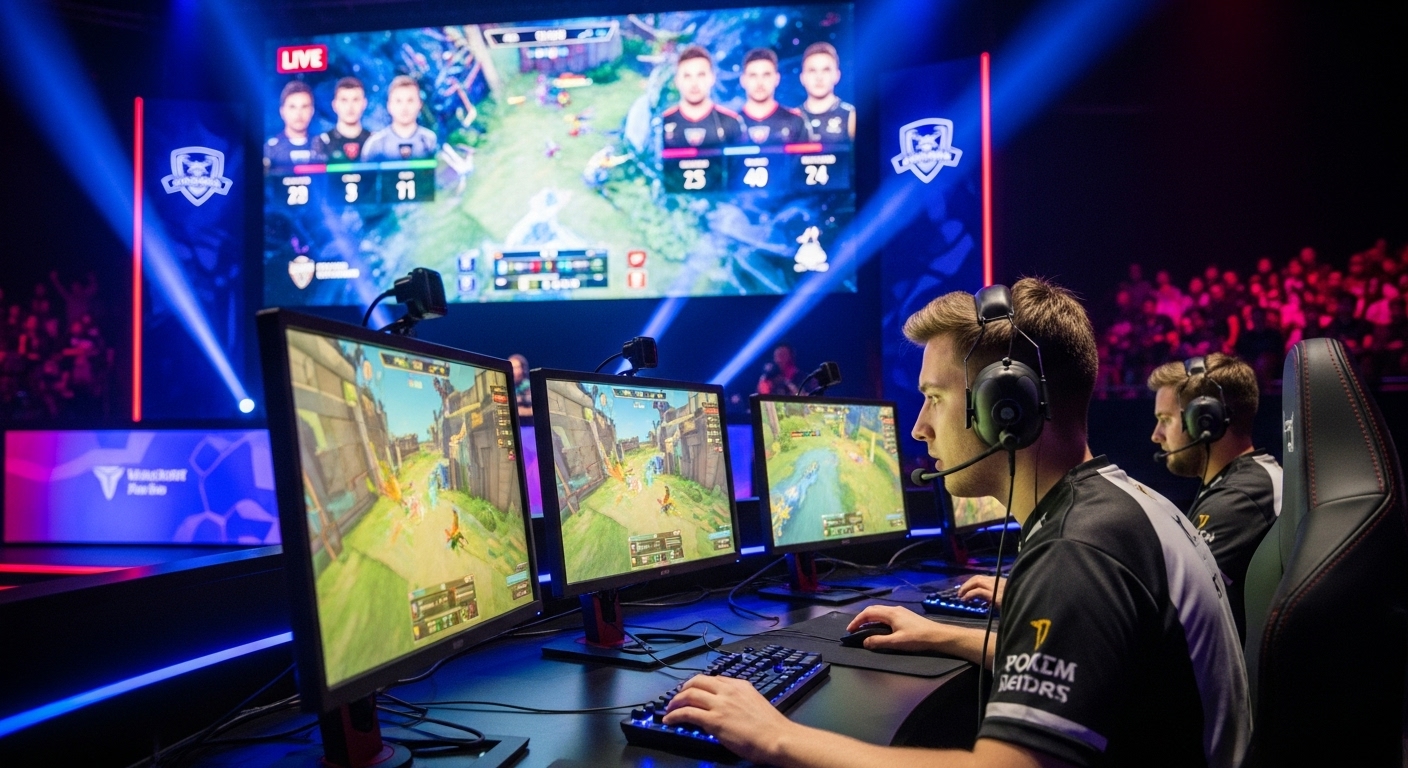

In a world where digital experiences are more integrated into our lives than ever before, one industry stands out for its meteoric rise: esports. What once began as a niche hobby has now become a global entertainment powerhouse, attracting millions of viewers, lucrative sponsorships, and a vast ecosystem of professional players, coaches, analysts, and fans. Esports is no longer just a pastime; it is a cultural force that is reshaping the way we view competition, entertainment, and even careers. This blog delves into the growth of esports, its impact on society, and what the future holds for this dynamic industry.
The Humble Beginnings of Esports
The origins of esports can be traced back to the early days of gaming. In the 1970s and 1980s, video games were primarily designed for single-player experiences, with arcade games like Pong, Space Invaders, and Asteroids taking center stage. These early games were the first steps in what would become the foundation of competitive gaming.
However, it wasn’t until the 1990s that the idea of organized, competitive gaming began to take shape. As personal computers became more powerful and the internet began to spread, multiplayer games emerged. Titles like Warcraft, StarCraft, and Quake allowed players to connect across networks and compete against one another in real-time. These games became the breeding ground for early esports tournaments, often held in LAN (Local Area Network) cafes or small community centers.
The 2000s marked a pivotal shift for esports, with large-scale tournaments like The World Cyber Games and Electronic Sports World Cup gaining international recognition. Esports was no longer confined to small gatherings or niche circles; it was becoming a legitimate form of entertainment with a growing global audience.
The Rise of Professional Esports
Fast forward to today, and esports has become a fully-fledged professional industry. In just a few decades, it has grown from humble beginnings to a multi-billion-dollar ecosystem. What was once considered a hobby is now a legitimate career choice for many talented gamers around the world.
The key to this growth lies in the rise of professional esports leagues and teams. Games like League of Legends, Dota 2, Counter-Strike: Global Offensive, and Fortnite have given rise to global competitions where players compete for massive prize pools and sponsorship deals. Professional players are now full-time athletes who train for hours each day to perfect their skills, just like traditional sports stars.
In many ways, the life of a professional esports player mirrors that of a traditional athlete. They practice for long hours, hone their gameplay strategies, and work with coaches and analysts to improve their performance. Teams often have dedicated trainers, nutritionists, and psychologists to ensure that players maintain their mental and physical well-being, as competitive gaming can be mentally exhausting and physically demanding.
The Global Appeal of Esports
One of the most fascinating aspects of esports is its ability to transcend geographical boundaries. Unlike traditional sports, which are often confined to specific regions or countries, esports has a global reach. Players and teams from all corners of the world compete against each other, creating a truly international community.
Fans, too, are global. The popularity of esports transcends cultural, social, and economic boundaries, and tournaments are watched by millions of viewers worldwide. Streaming platforms like Twitch and YouTube Gaming have played a massive role in this global expansion, making it easier for fans to watch live streams of tournaments, interact with players and teams, and become part of the esports community.
Esports tournaments often take place in large arenas, with live audiences filling stadiums to cheer on their favorite players. These events are broadcasted worldwide, with millions of viewers tuning in from different time zones. The scale of some esports events rivals that of traditional sports leagues, such as the NFL or the Olympics, with fans traveling from around the world to attend the events in person.
The Role of Technology in Esports
Technology has always been at the heart of esports, and its role in the industry continues to evolve. From gaming consoles and personal computers to streaming platforms and augmented reality (AR), technology has shaped the way people experience esports.
At its core, esports relies on advanced gaming technology, including powerful computers, specialized hardware, and high-speed internet connections. The development of gaming equipment has become a major market in itself, with companies constantly innovating to provide gamers with the best possible tools for performance. Esports events are streamed on platforms like Twitch, YouTube, and Facebook, where fans can interact with each other in real-time, share content, and even watch live broadcasts of competitions.
The integration of Virtual Reality (VR) and Augmented Reality (AR) is also on the horizon, providing new opportunities for fans and players alike. VR technology can transport viewers into the digital arena, allowing them to experience matches as though they are actually present in the stadium. AR can enhance live broadcasts by adding interactive elements that give fans deeper insights into the strategies and plays of professional teams.
Esports as a Career Path
For many young people today, esports presents a legitimate career path. No longer is gaming seen as just a hobby or something to do in your free time. It is now a viable profession for those with the right skill set.
Becoming a professional esports player is incredibly challenging. It requires dedication, intense training, and a deep understanding of game mechanics. Professional gamers spend countless hours perfecting their craft, often sacrificing their personal time and social lives to compete at the highest levels. But for those who succeed, the rewards can be immense. Many esports athletes sign sponsorship deals with major brands, earn lucrative prize money, and receive media attention that brings them to celebrity status within the gaming community.
However, it’s not just about being a player. The esports industry offers a wide range of career opportunities, including coaching, commentary, analysis, event organization, and content creation. Teams and organizations need managers, content creators, marketing professionals, and designers to help build their brands and grow the fanbase.
The Economic Impact of Esports
The economic footprint of esports is staggering. The industry is expected to generate over $1.5 billion in global revenue by 2025, driven by sponsorships, advertising, media rights, merchandise, and ticket sales. Major companies, such as Coca-Cola, Red Bull, and Intel, have already invested heavily in esports, recognizing its potential to reach a younger, tech-savvy demographic.
Esports is also creating new economic opportunities in cities that host major tournaments. Large-scale events, such as The International (Dota 2’s annual championship) or League of Legends World Championship, bring tourism, increase local business revenues, and provide job opportunities in hospitality, security, and event management. These events have the power to transform cities into esports hubs, attracting visitors from all over the world.
Furthermore, esports is contributing to the development of new industries, such as game streaming, gaming hardware, and esports betting. This burgeoning sector is reshaping the way people engage with entertainment, and its economic impact will only continue to grow as the industry matures.
Challenges and Controversies in Esports
Despite its massive growth, esports faces several challenges that must be addressed if the industry is to continue thriving. One of the most pressing issues is the mental health of players. The intense pressure to perform, long practice hours, and constant competition can take a toll on players’ well-being. Many professional gamers suffer from burnout, anxiety, and stress, and the industry is increasingly recognizing the importance of mental health support.
Cheating and match-fixing are also ongoing concerns in esports. While esports organizations work hard to ensure fair play, the prevalence of cheating software and the temptation of large cash prizes can lead to unethical behavior. The industry must continue to strengthen its regulations and ensure that competitions are transparent and fair.
Additionally, the rapid pace of technological advancements can lead to obsolescence. Games that were once popular can fade into obscurity as new titles emerge, and keeping up with the latest trends can be a constant challenge for both players and developers. Maintaining player interest and ensuring longevity for games is critical for the long-term success of esports.
The Future of Esports
As we look to the future, the prospects for esports remain incredibly bright. With advancements in technology, growing global audiences, and expanding career opportunities, esports is set to continue its rapid expansion. The integration of VR, AR, and other immersive technologies will take the spectator experience to new heights, providing fans with innovative ways to engage with their favorite games.
Esports will also become more integrated with other industries, including entertainment, sports, and education. Universities around the world are offering esports scholarships, and esports management programs are becoming increasingly popular. In the coming years, we will likely see more collaborations between traditional sports leagues and esports organizations, further solidifying the position of esports as a mainstream entertainment form.
In conclusion, esports has evolved from a niche interest to a global phenomenon that is reshaping the landscape of competition, entertainment, and career opportunities. As the industry continues to grow and mature, its influence will only expand, offering new possibilities for players, fans, and entrepreneurs alike. The digital revolution is here, and esports is at the forefront of this exciting new era.