
Introduction: A New Era of Competitive Entertainment
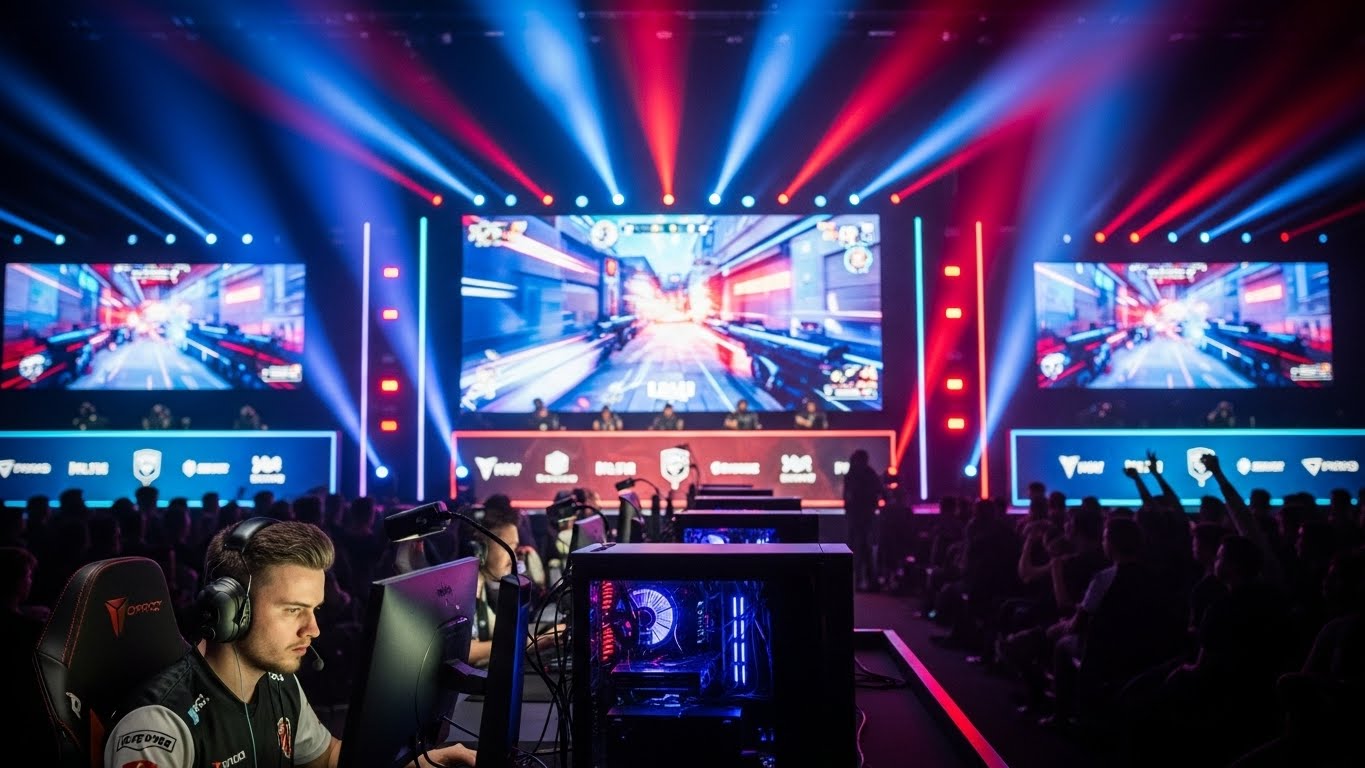
Esports has rapidly emerged as one of the most influential and fast-growing industries in modern entertainment. What began as small gaming competitions among enthusiasts has evolved into a global movement with millions of fans, professional players, organized leagues, and massive tournaments. Esports blends technology, creativity, and competitive spirit, redefining what it means to be an athlete in the digital age. Today, esports sits alongside traditional sports as a major cultural and economic force. This blog explores the growth of esports, its global impact, its cultural influence, and what the future holds for this exciting digital revolution.
The Origins and Evolution of Esports
Esports did not happen overnight. Its origins can be traced back to the gaming communities of the 1970s and 1980s, where early arcade competitions attracted dedicated players. However, competitive gaming truly began to take shape in the 1990s with advancements in home computers, consoles, and online connectivity.
Players began organizing tournaments with games that emphasized competitive mastery such as early fighting games, first-person shooters, and real-time strategy titles. As internet access expanded, gamers across the world could compete without being in the same room, laying the foundation for modern esports.
The early 2000s introduced structured competitions and professional teams. Esports slowly became recognized as a legitimate form of competition, supported by passionate players, event organizers, and emerging online communities. The rise of live streaming brought esports into the mainstream, giving fans the ability to watch matches from anywhere in the world.
Today, esports is a billion-dollar industry with global tournaments, celebrity players, professional organizations, and millions of loyal fans. It continues to evolve at an extraordinary pace and shows no signs of slowing down.
What Makes Esports So Popular?
Esports captivates audiences for many reasons. Unlike traditional sports that may require physical venues, equipment, or specific conditions, esports is highly accessible. Anyone with a gaming device and an internet connection can participate or watch.
The competitive element is also extremely engaging. Esports requires complex strategy, fast reflexes, teamwork, and deep game knowledge. Matches often unfold with incredible intensity and precision, providing entertainment similar to traditional athletic competition.
Esports also thrives on community. Fans can interact directly with players through streaming platforms, social media engagement, and live events. This level of access creates deeper connections between players and their audiences.
Lastly, esports appeals to younger generations who grew up with technology. It integrates seamlessly with digital culture, making it one of the most relevant and relatable forms of modern entertainment.
Diverse Esports Game Genres
Esports spans numerous game genres, each attracting unique player bases and competitive scenes. First-person shooters focus on aim, reflexes, and teamwork. Multiplayer online battle arena games require strategic coordination and long-term planning. Fighting games feature intense one-on-one battles centered on precision timing and prediction.
Sports simulation games bring traditional sports into the digital space, allowing gamers to compete in virtual versions of soccer, basketball, racing, and more. Strategy and card-based games use planning, intellect, and adaptability to outplay opponents. This wide range of genres ensures that esports caters to different interests and skill sets, making it a global powerhouse of variety and entertainment.
The Role of Professional Teams and Organizations
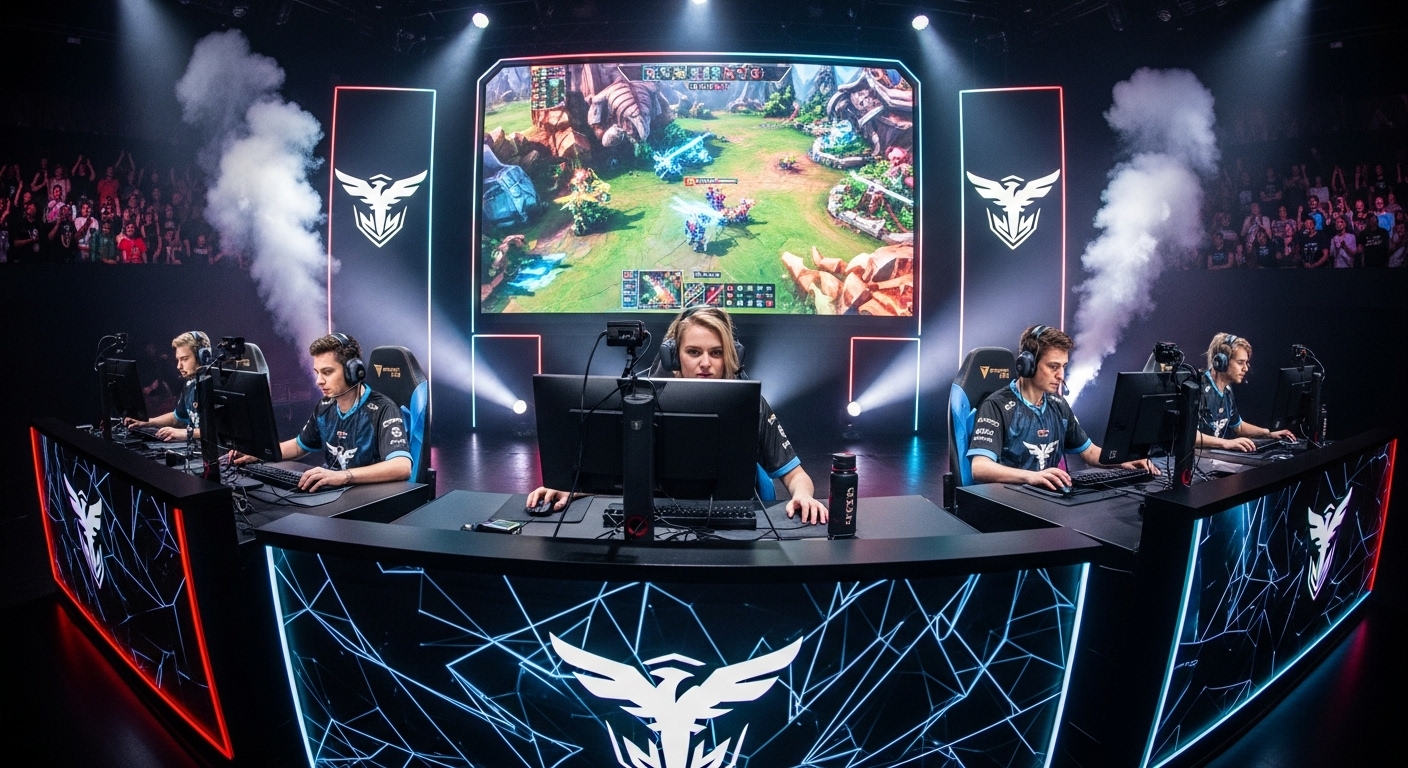
Professional esports teams are at the heart of the competitive ecosystem. These organizations recruit skilled players, provide training environments, and compete in regional and global tournaments. Many teams operate at the same level of professionalism as traditional sports clubs, complete with coaches, analysts, nutritionists, and media managers.
Teams also engage with fans through content creation, merchandise, and community events. They help elevate esports by creating recognizable brands that fans can support and follow. Professional organizations bring structure, stability, and legitimacy to the competitive gaming world, allowing players to pursue long-term careers.
Esports as a Viable Career Path
Esports has grown to offer numerous career opportunities beyond playing. Professional players can earn salaries, win prize money, sign sponsorship deals, and build personal brands through streaming and social media.
Coaches help teams analyze gameplay, develop strategies, and guide performance. Analysts study in-game data, review opponent tendencies, and identify trends to give teams a competitive edge.
Casters and commentators narrate matches, bringing energy and excitement to live events. Their role is similar to sports broadcasters, making matches engaging and accessible to fans.
There are also careers in event management, marketing, production, media, and content creation. Esports has developed into a complete industry with diverse professional paths, supporting thousands of people across the world.
The Economic Power of Esports
Esports has become a major global business, generating revenue through sponsorships, merchandising, tournament prize pools, media rights, and advertising. Companies across technology, apparel, energy drinks, and automotive industries invest heavily in esports partnerships, recognizing its enormous market potential.
Large tournaments attract millions of viewers and offer impressive prize pools. Cities benefit economically when hosting esports events, as fans travel to attend live competitions, contributing to local tourism and hospitality sectors.
From professional organizations to gaming developers and broadcast companies, esports supports a broad economic ecosystem that continues to expand year after year.
The Influence of Streaming and Digital Media
Streaming platforms play an essential role in esports’ success. Online streaming allows fans to watch live matches, follow their favorite players, and stay connected to esports culture. Unlike traditional sports broadcasting, streaming is interactive. Viewers can chat with others, respond to plays in real time, and even communicate directly with streamers.
This interaction helps build strong online communities and personal connections between players and fans. Streaming has also democratized esports, giving talented individuals the opportunity to reach global audiences without needing formal sponsorships or organizational backing.
Streaming culture has become inseparable from esports, powering its growth and expanding its cultural presence.
Technological Advancements Fueling Esports
Esports relies on technology, and advancements in hardware, software, and internet infrastructure continue to elevate the industry. High-performance gaming computers, optimized consoles, and advanced peripherals allow players to compete at the highest levels.
Developers integrate anti-cheat systems and competitive matchmaking tools to maintain fairness and integrity. Broadcasting tools enhance the viewing experience with high-definition displays, commentary overlays, and real-time analysis.
Emerging technologies such as virtual reality and augmented reality may further change the landscape of competitive gaming, offering immersive and innovative ways to participate and spectate.
Esports as a Cultural Movement
Esports has become a significant part of modern culture. It influences fashion, music, entertainment, and even education. Fan communities create artwork, memes, videos, and discussions that enrich esports culture. Players become celebrities and role models, inspiring dedication and creativity.
Esports also serves as a platform for social interaction. Fans gather online or at live events to celebrate their favorite teams and players. This sense of community strengthens the cultural impact of esports and pushes it further into mainstream recognition.
Esports in Schools and Universities
Educational institutions have begun embracing esports as a legitimate program. Schools and universities form competitive teams, offer gaming clubs, and provide scholarships for esports athletes. These programs promote strategic thinking, teamwork, digital literacy, and communication skills.
Esports in education supports students academically, socially, and creatively. It provides opportunities for students who may not participate in traditional sports, giving them a platform to excel and build confidence.
The Future of Esports: Endless Possibilities
The future of esports is incredibly bright. Continued technological innovation will enhance gameplay, analysis, and viewing experiences. More countries will develop esports infrastructure, increasing opportunities for global talent.
Mobile esports will continue to grow, bringing competitive gaming to broader audiences. Virtual reality competitions may create new formats and genres. Esports will likely integrate more with traditional sports, entertainment, and media industries, strengthening its position as a standard form of competitive entertainment.
As more institutions adopt esports programs and more organizations invest in the industry, the growth will continue to accelerate worldwide.
Conclusion: The New Age of Competitive Excellence
Esports has evolved from small gatherings of gamers to a global phenomenon that commands the attention of millions. It blends strategy, skill, technology, and entertainment into a powerful cultural movement. Esports fosters community, opens career paths, drives innovation, and inspires new generations of competitors.
What makes esports unique is its ability to evolve. It expands with technology, adapts with culture, and grows through its global community. In an era defined by digital transformation, esports stands as a symbol of innovation, passion, and limitless potential.
Esports is not just a trend. It is a defining force of modern competition and a central pillar of global entertainment.