
Introduction: Esports in the Modern World
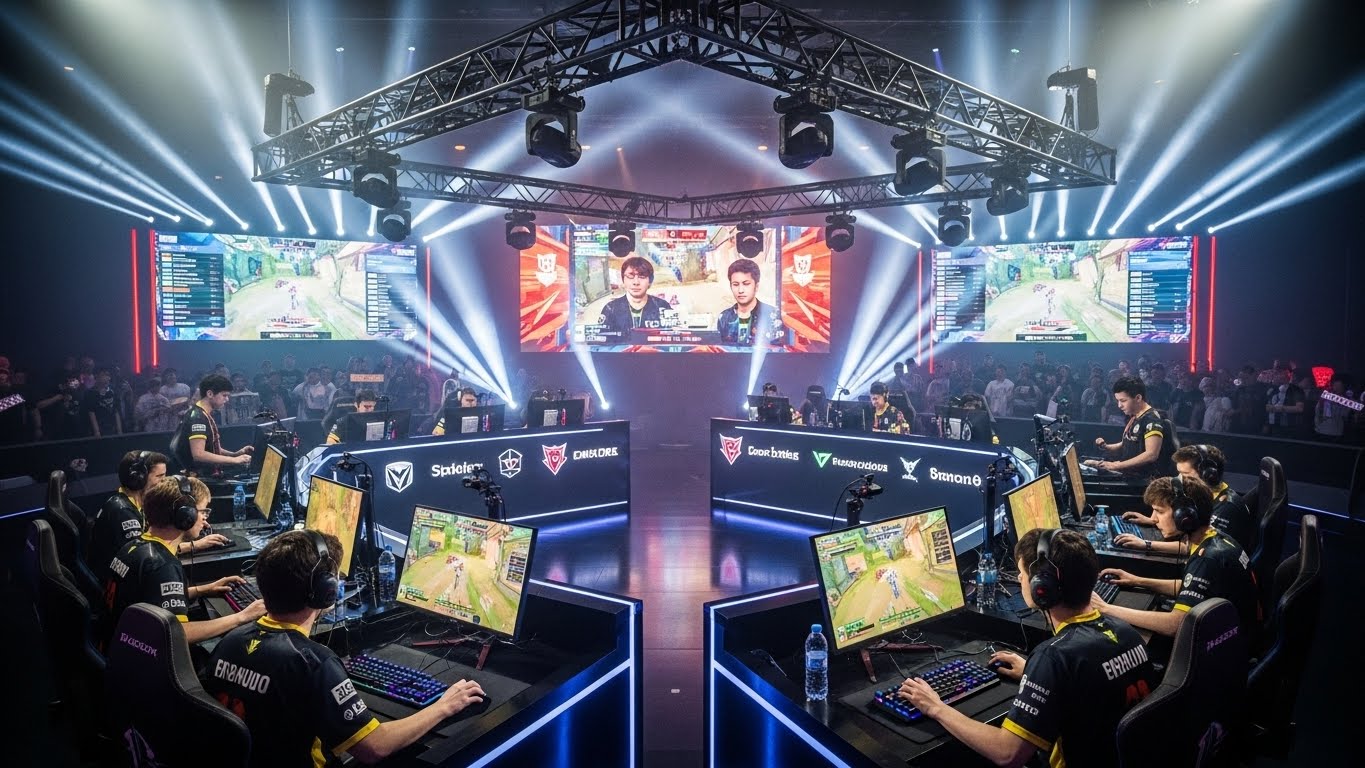
Esports, or competitive video gaming, has transformed from a niche hobby into a global cultural phenomenon. Once dismissed as a pastime for enthusiasts, it now stands as a legitimate professional pursuit, attracting millions of viewers and players worldwide. Esports encompasses strategy, skill, teamwork, and entertainment, blurring the line between traditional sports and digital competition. This blog explores the origins of esports, its cultural and social impact, technological innovations, economic influence, challenges, and the future of this rapidly evolving industry.
The Origins of Esports: From Arcades to Online Competitions
The roots of esports can be traced back to the late 20th century, when gamers organized local competitions and LAN (Local Area Network) tournaments. Early games such as Street Fighter, Quake, and StarCraft became the foundation for competitive gaming. These events fostered a sense of community and allowed players to showcase their skills and strategic thinking in real time.
With the advent of the internet, esports expanded beyond local gatherings. Online tournaments allowed players from different regions to compete, creating international communities and paving the way for the global esports industry. The early online competitions established patterns of teamwork, rivalry, and audience engagement that define esports today.
The Professionalization of Esports
Esports has rapidly evolved into a professional industry. Professional teams, coaches, analysts, and support staff now exist alongside players, mirroring traditional sports structures. Major leagues, such as the League of Legends Championship Series, the Dota 2 International, and the Overwatch League, have standardized competitions, professional contracts, and large prize pools.
The mainstream acceptance of esports has also grown. Media coverage, sponsorship deals, and corporate investments have validated esports as a career path. Professional gamers are now recognized as athletes in their own right, with rigorous training schedules, strategic development, and performance analysis similar to traditional sports professionals.
Popular Esports Genres and Games
Esports encompasses a wide range of genres, each with unique competitive structures and communities. Multiplayer Online Battle Arenas (MOBAs) like League of Legends and Dota 2 emphasize teamwork, strategy, and tactical execution. First-Person Shooters (FPS) such as Counter-Strike: Global Offensive, Call of Duty, and Valorant focus on precision, reflexes, and coordination.
Other popular genres include Real-Time Strategy (RTS) games like StarCraft II, fighting games such as Street Fighter and Tekken, and sports simulations including FIFA and NBA 2K. Each genre attracts dedicated fanbases, creating vibrant communities and fostering global competitions that appeal to diverse audiences.
Technology: The Backbone of Esports
Technology is central to the growth of esports. High-speed internet connections, powerful gaming hardware, and streaming platforms enable global competition and audience engagement. Gaming peripherals, including specialized keyboards, mice, and controllers, enhance precision and performance, giving professional players an edge.
Streaming platforms have transformed esports into a spectator sport. Fans can watch live competitions, interact with players, and analyze gameplay in real time. Real-time statistics, virtual overlays, and interactive features make esports viewing immersive and engaging, comparable to traditional sports broadcasts.
Economic Impact of Esports
Esports has grown into a multi-billion-dollar industry. Revenue streams include sponsorships, advertising, media rights, merchandise, and ticket sales for live events. Corporations invest in esports teams, tournaments, and streaming platforms to reach younger, digitally engaged audiences. Professional players often earn substantial salaries, prize money, and endorsement deals, creating career opportunities previously unavailable in gaming.
The economic impact extends beyond professional leagues. Grassroots tournaments, content creation, and streaming generate employment and entrepreneurship opportunities, supporting an entire ecosystem of professionals, developers, and media experts. Esports has become a significant contributor to both entertainment and digital economies globally.
Social and Cultural Significance
Esports fosters a unique social and cultural environment. Online platforms allow players to form teams, engage in communities, and participate in tournaments worldwide. Fans interact through live chats, social media, and forums, creating shared experiences and a sense of belonging.
Esports also challenges traditional notions of athleticism. Success depends not only on reflexes but also on strategic thinking, teamwork, communication, and mental resilience. The global reach of esports promotes cultural exchange, diversity, and inclusion, connecting players and audiences across different countries, languages, and backgrounds.
Challenges in the Esports Industry
Despite its growth, esports faces several challenges. Mental health and burnout are significant concerns due to long practice hours, intense competition, and performance pressure. Ethical issues, including cheating, match-fixing, and online harassment, require vigilant oversight and regulation.
Gender disparity and lack of diversity are ongoing challenges. Women remain underrepresented in professional esports, and efforts are needed to ensure equitable opportunities. Additionally, balancing commercialization with competitive integrity is critical to maintain the authenticity and appeal of esports as a sport.
The Role of Education and Esports
Education has begun to embrace esports as a legitimate pursuit. Universities and schools offer esports programs, scholarships, and research opportunities, fostering both skill development and academic growth. Academic institutions recognize the strategic, analytical, and teamwork skills developed through esports, making it an educational as well as competitive activity.
Esports in education also helps promote inclusivity, community building, and technological literacy. Students engage in structured competitions, learn organizational skills, and explore career paths in gaming, broadcasting, and content creation.
The Future of Esports
The future of esports is poised for continued expansion and innovation. Emerging technologies such as virtual reality (VR) and augmented reality (AR) will create immersive competitive experiences. Artificial intelligence will enhance training, strategy analysis, and game development, making competitions more sophisticated.
Esports is also likely to integrate further with mainstream entertainment and traditional sports. Collaborations, sponsorships, and cross-industry events will increase visibility and appeal. As mobile esports grow, global access to professional-level competition will expand, democratizing opportunities for players worldwide. Sustainability and inclusivity will remain central, ensuring that esports continues to evolve responsibly.
Conclusion: Esports as a Transformative Force
Esports has grown from small competitions to a global cultural and professional phenomenon. It combines skill, strategy, technology, and community, creating experiences that rival traditional sports in excitement and engagement. Beyond entertainment, esports fosters teamwork, cognitive development, and social connection, while driving economic and technological innovation.
As technology advances and audiences expand, esports is set to redefine the landscape of competitive entertainment. Participation, viewership, and professional opportunities will continue to grow, making esports an integral part of modern culture. More than just a game, esports is a transformative force shaping how we play, compete, and connect in the digital age.

