Introduction: A New Era of Competition
Esports, short for electronic sports, has transformed the world of gaming into a global competitive industry. What once began as casual video games played in bedrooms and arcades has evolved into professional tournaments, international competitions, and multimillion-dollar prize pools. Today, esports is not merely entertainment; it represents a cultural and technological revolution. From players striving for professional careers to fans watching live streams worldwide, esports has reshaped how people perceive gaming, competition, and community.
The Origins of Esports
The history of esports can be traced back to the early 1970s. The first known video game competition, the “Intergalactic Spacewar Olympics,” took place in 1972 and awarded a small prize to the winner. During the 1980s and 1990s, arcade games such as Street Fighter, Mortal Kombat, and Pac-Man created localized competitive scenes. However, the real transformation came with the internet. Multiplayer games like StarCraft, Counter-Strike, and Quake allowed players from around the world to compete in real time, establishing the foundations of modern esports culture.
The Professionalization of Esports
The early 2000s marked the professionalization of esports. South Korea led the way, turning StarCraft players into national celebrities and broadcasting matches on television. Gaming cafes, known as PC bangs, became training hubs where aspiring players practiced for hours daily. In the United States and Europe, organizations like Major League Gaming formalized competitions, introduced structured tournaments, and cultivated dedicated fan bases. Professional teams began hiring coaches, analysts, and managers, reflecting the growing seriousness and competitiveness of the industry.
The Role of Streaming in Global Expansion
The rise of live streaming platforms revolutionized esports. Players and tournaments became accessible to audiences worldwide, allowing fans to watch live matches from anywhere. Streamers turned into cultural icons, building loyal followings and interactive communities around their gameplay. This accessibility also allowed esports to grow beyond regional limits, creating a global fanbase. Today, millions of viewers tune in to watch major tournaments, making esports one of the most watched competitive industries in the world.
Popular Esports Titles
Several games dominate the esports scene, each with unique gameplay and competitive communities. League of Legends, Dota 2, and Valorant are known for their strategic depth and team coordination. Counter-Strike: Global Offensive remains a staple in tactical shooter competitions, while Fortnite and Call of Duty have popularized fast-paced, action-oriented tournaments. Fighting games like Street Fighter and Tekken continue to host niche but dedicated competitive scenes. These titles not only define professional competitions but also influence gaming culture, creating recognizable heroes, teams, and fan traditions.
Esports as a Career
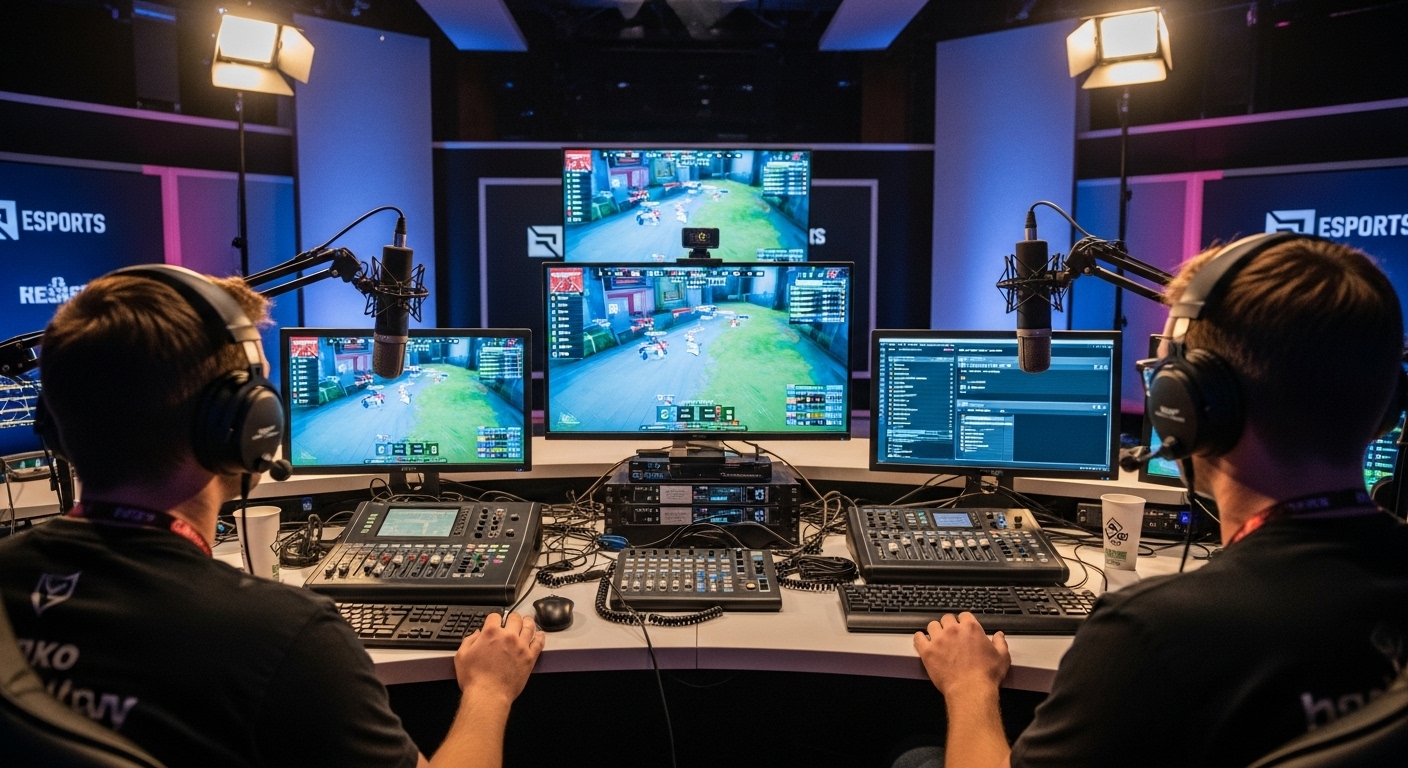
Esports has opened doors to legitimate career opportunities. Professional players earn salaries, sponsorships, and tournament winnings, often rivaling earnings in traditional sports. Beyond players, careers in shoutcasting, coaching, event management, game analysis, and content creation have emerged. Universities now offer esports scholarships and programs, supporting students who aspire to professional careers. Mobile esports has further expanded access, allowing players from regions with limited gaming infrastructure to compete internationally. Esports is no longer a hobby—it has become a viable career path for thousands worldwide.
The Cultural Impact of Esports
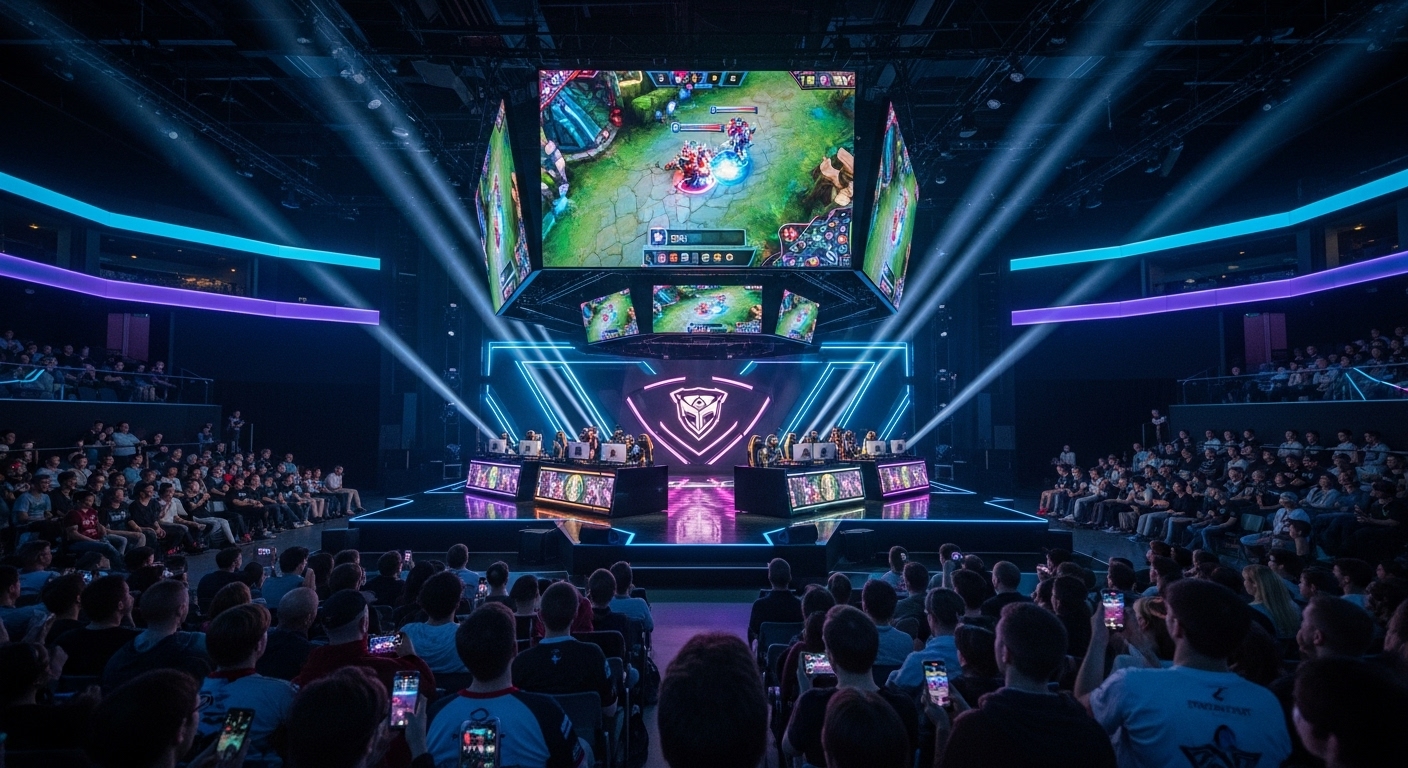
Esports has reshaped modern culture by fostering global communities. Fans rally behind teams and players, creating passionate followings similar to traditional sports. Cosplay, fan art, merchandise, and social media discussions form vibrant subcultures around gaming. Major tournaments draw thousands of live attendees, while millions more watch online, creating shared experiences that transcend geography. Esports also influences media, music, and fashion, establishing itself as a significant cultural force. Its ability to unite people across different backgrounds demonstrates the power of digital communities in the modern era.
Challenges in the Industry
Despite its growth, esports faces significant challenges. Player burnout and mental health issues are common due to long hours of practice and intense competition. The industry also struggles with fairness and integrity, as cheating, match-fixing, and toxic behavior can undermine competitions. Representation is another concern, with female players underrepresented in professional leagues. Additionally, the rapid growth of esports has sometimes outpaced regulation, leading to inconsistencies in contracts, earnings, and player treatment. Addressing these challenges is essential for creating a sustainable and professional esports ecosystem.
The Influence of Technology
Technology is central to the evolution of esports. High-performance computers, fast internet, and specialized peripherals allow players to perform at elite levels. Data analytics and artificial intelligence are increasingly used to analyze gameplay and refine strategies. Virtual reality and augmented reality promise immersive experiences for players and spectators alike. Cloud gaming platforms are reducing hardware barriers, allowing broader participation from regions with limited access to gaming devices. Technological innovation ensures that esports remains at the forefront of competitive entertainment.
Global Reach of Esports
Esports is a truly global phenomenon. South Korea, China, the United States, and Europe dominate professional scenes, while countries in Southeast Asia, India, and Latin America are rapidly growing in influence. International tournaments attract players and fans from across the globe, creating a shared language of competitive gaming. Governments in some countries have recognized esports players with official athlete status, reflecting its legitimacy. This global integration fosters cross-cultural exchange, uniting people with diverse backgrounds around a common passion.
Esports in Education
Esports is increasingly finding its place in education. Schools and universities are incorporating esports programs to teach collaboration, critical thinking, leadership, and problem-solving skills. Competitive gaming clubs provide social engagement for students who may not participate in traditional sports. Academic programs in esports management, game design, and broadcasting prepare students for careers in the growing industry. By combining education with gaming, esports promotes personal growth and professional readiness in a way that traditional extracurricular activities cannot match.
Business and Marketing in Esports
The business side of esports is expanding rapidly. Sponsorships, media rights, merchandise, and ticket sales generate substantial revenue. Brands from technology, fashion, food, and automotive industries actively invest in esports to reach engaged, tech-savvy audiences. Successful marketing in esports requires authenticity and community engagement, as fans can quickly detect disingenuous attempts. The industry has become a hub for innovative marketing strategies, blending entertainment, competition, and brand promotion into immersive experiences.
Mental Health Awareness
Mental health awareness is increasingly prioritized in esports. Long hours of practice, high-pressure competition, and online scrutiny can contribute to anxiety, stress, and burnout. Leading organizations now employ psychologists and wellness coaches to support players. Open discussions about mental health help reduce stigma and promote healthier practices within the competitive gaming community. Supporting the well-being of players is essential to sustaining long-term careers and maintaining the integrity of professional esports.
The Future of Esports
The future of esports is bright and full of potential. Emerging technologies such as virtual reality, augmented reality, and cloud gaming will redefine how competitions are played and viewed. Mobile esports will continue to democratize access, allowing players from diverse regions to compete internationally. Esports may gain further recognition in traditional sporting events and mainstream media. With continuous innovation, growing audience engagement, and expanding career opportunities, esports is poised to become an even more influential part of global culture and entertainment.
Conclusion: Esports as a Defining Cultural Force
Esports has redefined the concept of competition in the digital age. It combines skill, strategy, teamwork, and technology to create experiences that captivate millions worldwide. Beyond gaming, esports fosters careers, global communities, and cultural innovation. It bridges technology with human connection, bringing together players and fans across continents. The rise of esports represents not only a new form of entertainment but a transformative force in society. Competitive gaming is no longer a niche interest—it is a defining feature of the modern digital era, shaping the future of sports, media, and global culture.