
Introduction
In the past two decades, esports has transformed from a niche hobby into a global phenomenon. Competitive gaming is no longer confined to small gatherings or local tournaments. Today, it stands alongside traditional sports in terms of viewership, revenue, and cultural influence. From professional players to massive international events, esports is reshaping the way people perceive competition, entertainment, and digital interaction. This blog explores the history, growth, cultural impact, and future of esports.
The Origins of Competitive Gaming
Esports has its roots in the early days of video gaming. In the late 1970s and 1980s, arcades became the gathering places for players to test their skills in classic titles such as Pac-Man, Space Invaders, and Street Fighter. High scores and local competitions inspired a competitive spirit among gamers. While these events were informal, they laid the foundation for organized competitive gaming.
The rise of home consoles in the 1990s expanded the gaming community, enabling players to compete from their living rooms. Internet connectivity in the late 1990s and early 2000s further revolutionized competition, allowing players to challenge opponents worldwide. This development marked the beginning of modern esports.
Technological Advancements Driving Growth
Technology has played a critical role in the rise of esports. High-performance computers, gaming consoles, and high-speed internet have created an environment where competitive play is seamless and accessible. Online multiplayer games, such as Counter-Strike, StarCraft, and League of Legends, enabled global competition and fostered thriving communities.
Streaming platforms have amplified esports’ growth by allowing players to broadcast live gameplay to millions of viewers. These platforms have transformed esports into a spectator sport, attracting fans who follow their favorite players and teams in real time. The combination of improved gaming hardware and streaming capabilities has helped esports gain mainstream recognition.
Professionalization of Players and Teams
The professionalization of esports is one of the most notable aspects of its evolution. Today, competitive gaming is a legitimate career path. Professional teams operate similarly to traditional sports organizations, with coaches, analysts, psychologists, and fitness trainers supporting players.
Players dedicate significant time to practicing and refining their skills. Team coordination, strategic planning, and mental resilience are essential to success. The discipline and commitment required in esports rival those in traditional sports, challenging outdated perceptions that gaming is merely recreational.
The Spectacle of Global Tournaments
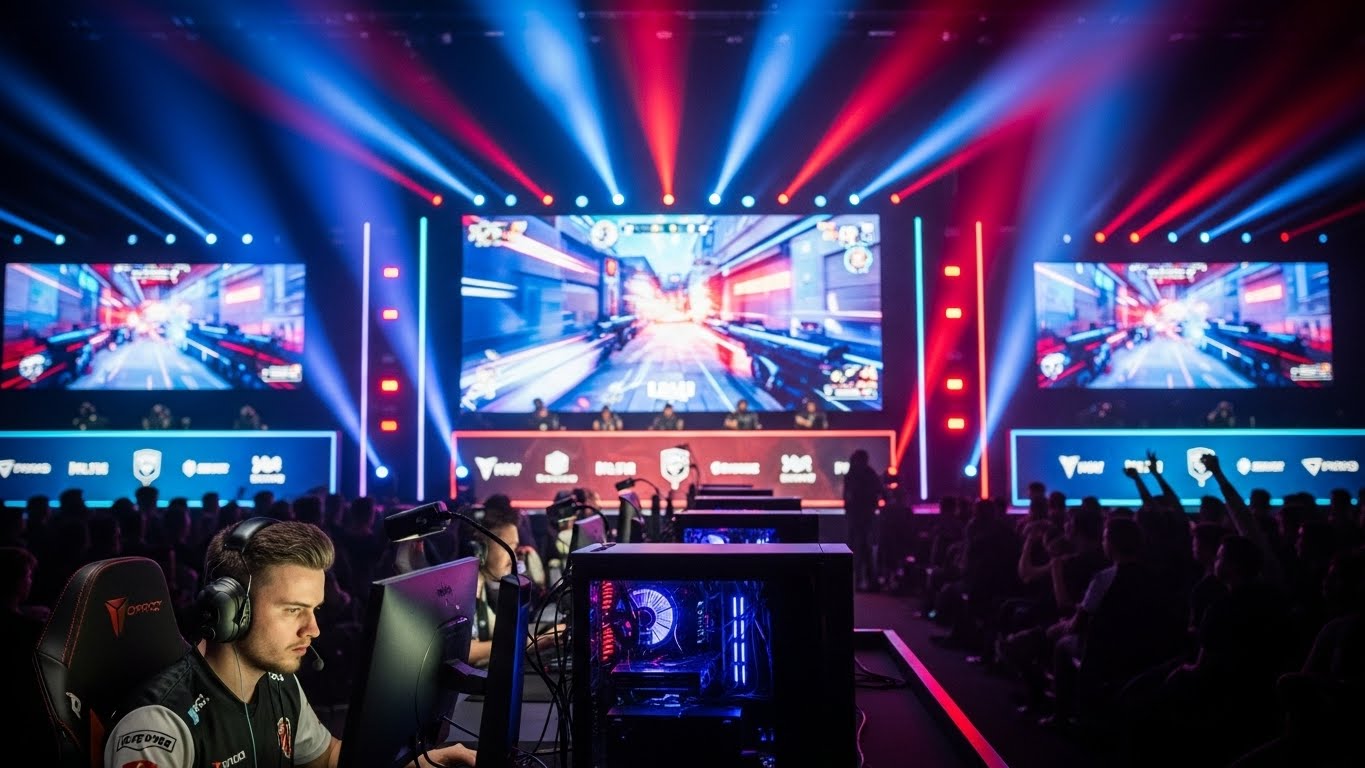
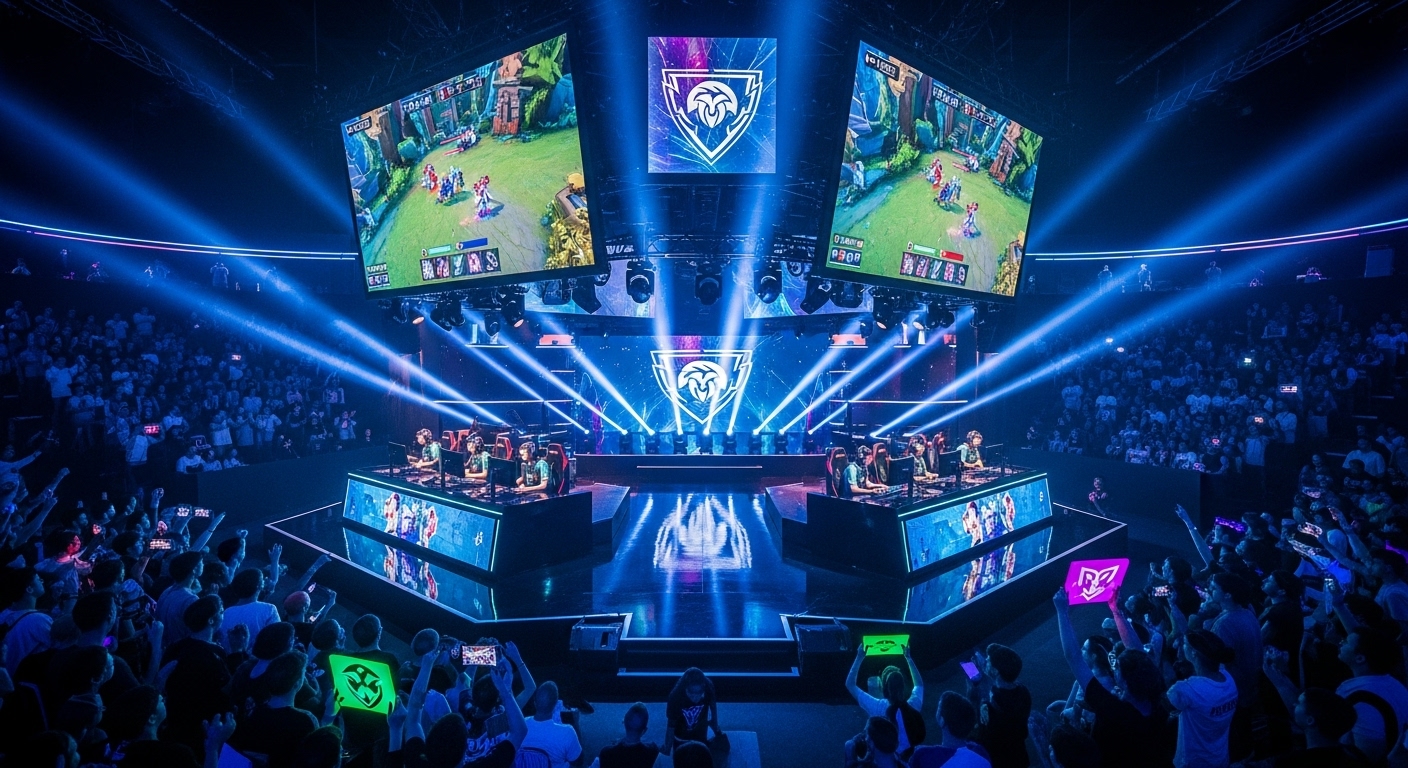
Esports tournaments have grown into large-scale events that attract millions of viewers worldwide. Championships for games like Dota 2, League of Legends, and Call of Duty feature high-stakes matches, elaborate production, and massive audiences. Some events rival the Super Bowl in terms of excitement and fan engagement.
Fans attend live events to experience the energy firsthand, while millions stream matches online. The combination of intense gameplay and vibrant fan culture has created a unique entertainment experience. Tournaments have become not just a competition but a social and cultural gathering for the global gaming community.
Esports as a Mainstream Industry
Esports is no longer confined to the digital realm; it has become a significant global industry. Sponsorships from major brands, merchandise sales, and advertising revenue have turned esports into a lucrative business. Prize pools for major tournaments now reach millions of dollars, attracting top talent and boosting competition.
Educational institutions have embraced esports, offering scholarships, programs, and degrees focused on gaming, esports management, and digital media. These academic programs foster talent and provide structured career paths for aspiring professionals, further legitimizing esports as a mainstream pursuit.
Content Creators and Community Engagement
Content creators have played a vital role in esports’ popularity. Streamers, commentators, and analysts provide engaging content that connects fans to the competitive scene. Their personalities, tutorials, live streams, and analysis expand the audience’s understanding and enjoyment of games.
These creators also create communities where fans can share experiences, discuss strategies, and celebrate achievements. The rise of content creation has created additional career opportunities and strengthened the cultural impact of esports.
Cultural Impact of Esports
Esports has influenced global culture in significant ways. It has created a sense of community among players and fans, often transcending geographical and cultural boundaries. Young people, in particular, find a sense of belonging and identity within esports communities.
Gaming also fosters skills beyond competition, including teamwork, communication, strategic thinking, and problem-solving. As technology becomes an integral part of everyday life, esports serves as a platform for social interaction, education, and personal development.
Diversity and Inclusion in Esports
The esports industry has become increasingly diverse, with players and fans from different genders, ethnicities, and regions contributing to its growth. Women’s participation in competitive gaming is rising, and more female-led teams and events are gaining recognition.
Organizations are implementing policies to create inclusive environments and reduce harassment and toxicity. While challenges remain, esports continues to progress toward a more equitable and welcoming space for all participants.
Economic Impact and Career Opportunities
Esports provides a variety of career opportunities beyond playing professionally. Event organizers, marketers, coaches, analysts, production staff, and designers all contribute to the ecosystem. The industry also drives entrepreneurship, with businesses emerging around streaming services, merchandise, gaming accessories, and content production.
The economic impact of esports extends globally, creating jobs, generating revenue, and attracting investment. Its growth demonstrates that esports is a sustainable industry capable of supporting careers across multiple sectors.
Game Developers’ Role in Esports
Game developers play a pivotal role in shaping competitive gaming. They design games with balance, fairness, and spectator appeal in mind, ensuring that titles remain engaging for players and audiences alike. Developers often collaborate with esports organizations to organize tournaments, provide updates, and maintain a competitive ecosystem.
The success of an esports title often depends on ongoing developer support. Regular content updates, new features, and competitive seasons keep players engaged and encourage long-term audience loyalty.
Challenges Facing the Industry
Despite its rapid growth, esports faces several challenges. Player burnout is a significant concern due to intense practice schedules and high-pressure environments. Organizations are increasingly focused on mental health support and career longevity to protect players.
Additionally, the industry must address regulation, competitive integrity, and standardization. As esports continues to grow, developing structures to ensure fairness, transparency, and sustainability will be critical for long-term success.
The Future of Esports
The future of esports is filled with opportunities. Emerging technologies such as virtual reality, augmented reality, and artificial intelligence promise new forms of competition and immersive experiences. Integration with traditional media will continue to broaden esports’ audience, creating new storytelling possibilities and expanding its cultural influence.
As younger generations embrace gaming, esports will continue to shape entertainment, digital interaction, and social communities. Its combination of skill, strategy, and spectacle ensures that esports will remain at the forefront of global entertainment for years to come.
Conclusion
Esports has grown from a simple pastime into a global powerhouse of entertainment, culture, and economic opportunity. It combines skill, strategy, and spectacle in ways that engage players, fans, and communities worldwide. Its professionalization, technological advancements, and cultural impact have redefined what it means to compete in the digital age.
The journey of esports reflects the dedication of players, the creativity of developers, and the passion of fans. As the industry continues to evolve, its influence on sports, technology, and entertainment will expand, inspiring new generations to participate, compete, and connect. Esports is more than just a game—it is a revolution in competition, culture, and human connection.