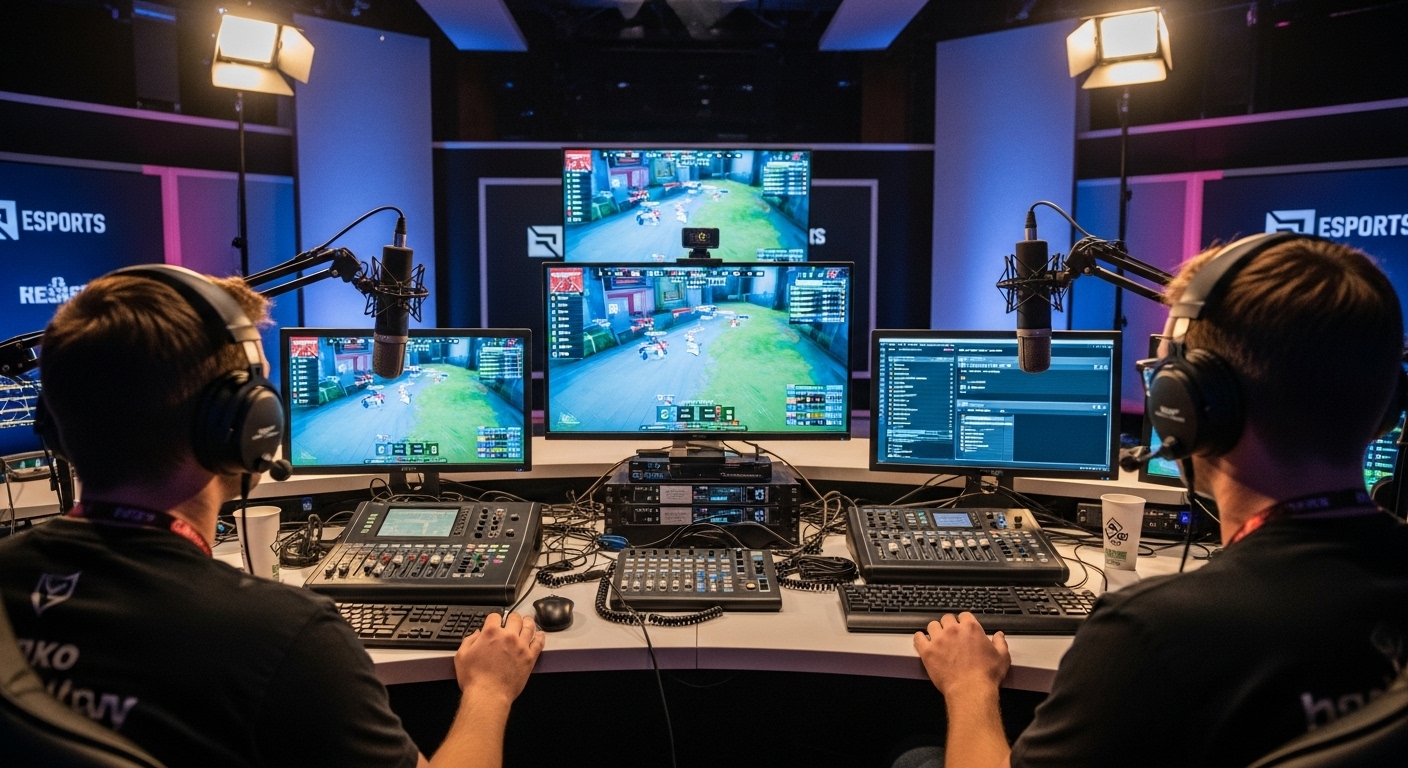

Esports, or electronic sports, has firmly established itself as a dominant force in the entertainment landscape. No longer relegated to a niche community of hobbyist gamers, esports has grown into a global phenomenon with millions of fans, multi-million-dollar prize pools, and an ecosystem that rivals traditional sports in terms of revenue and viewership. The evolution of esports has captivated audiences around the world, from casual gamers to professional athletes, and continues to expand its influence across multiple sectors. But what exactly makes esports so captivating, and how did it transform from a pastime into a billion-dollar industry?
In this blog post, we will explore the origins of esports, how it evolved into the massive industry it is today, the games that dominate the esports ecosystem, its cultural impact, and the future of competitive gaming.
The Early Days of Esports: Humble Beginnings
Esports, like most modern trends, has its roots in technology. The first competitive gaming event took place in 1972 when Atari hosted the Space Invaders Championship. Although this event was small, it marked the first time players competed against one another in a formalized setting for a prize. However, it wasn’t until the 1990s, with the rise of internet gaming and more complex multiplayer games, that competitive gaming began to take off.
The release of Quake by id Software in 1996 played a significant role in shaping the early days of esports. Quake was one of the first online multiplayer games that allowed players to compete against one another from remote locations. The Red Annihilation tournament in 1997, which attracted players from all over the world, is considered one of the first true esports competitions. The event was groundbreaking, with the winner earning a Ferrari, symbolizing the potential for massive rewards in competitive gaming.
As broadband internet became more accessible, esports saw a surge in growth. In South Korea, the release of StarCraft in 1998 laid the foundation for a competitive gaming culture that would later spread globally. South Korea became a hotbed for esports, with government-backed initiatives and televised gaming events paving the way for esports to gain widespread recognition.
By the early 2000s, online platforms like Battle.net and Garena allowed players to compete in global tournaments, and major competitions like the World Cyber Games and the Electronic Sports World Cup began to attract attention beyond the gaming community.
The Explosion of Esports: The Rise of Major Tournaments
While esports had a strong following in certain regions, the real breakthrough came with the rise of online streaming platforms. In 2011, Twitch was launched, offering gamers a platform to stream their gameplay live to audiences around the world. This marked a turning point for esports, as it allowed players, teams, and tournaments to reach a global audience in real-time. Streamers quickly gained large followings, turning the act of playing video games into a form of entertainment that transcended traditional media.
Around the same time, major tournaments began to emerge, further establishing esports as a legitimate industry. One of the most notable tournaments was the League of Legends World Championship, which began in 2011. Developed by Riot Games, League of Legends (LoL) is a Multiplayer Online Battle Arena (MOBA) game that pits two teams of five players against each other in a strategic battle. The game’s competitive nature, combined with its global reach, made LoL a perfect fit for esports.
The League of Legends World Championship became one of the most-watched esports events in history, drawing millions of viewers from around the world. In 2018, the final match of the LoL World Championship attracted over 200 million viewers, highlighting the growing global appeal of esports. Prize pools for tournaments like The International (Dota 2) and Fortnite World Cup also saw astronomical increases, with some events offering prize pools exceeding $30 million.
Esports Today: A Multi-Billion-Dollar Industry
Today, esports is a massive industry with revenues generated from multiple sources, including sponsorships, advertising, ticket sales, broadcasting rights, and merchandising. According to industry reports, the global esports market is expected to surpass $1.8 billion by 2025. This rapid growth is fueled by a combination of factors, including increased participation from major corporations, greater accessibility to esports content, and an expanding audience base.
Sponsorships play a significant role in the financial success of esports. Leading brands such as Intel, Coca-Cola, Nike, and Mercedes-Benz have all invested heavily in esports, either by sponsoring teams, individual players, or major events. The sponsorship deals bring in millions of dollars, helping to fund the operations of professional teams and tournaments. Additionally, the gaming hardware industry, including companies like Logitech, Razer, and Alienware, benefits from esports by sponsoring events and teams while marketing their products directly to the gaming community.
Broadcasting and streaming rights are another major revenue stream. Platforms like Twitch, YouTube, and Facebook Gaming have become home to millions of esports fans who watch tournaments live and interact with players and fellow viewers. Major esports events, such as The International (Dota 2), Overwatch League, and League of Legends World Championship, are broadcasted to millions of viewers on these platforms. This increased viewership has attracted the attention of traditional sports broadcasters, such as ESPN and TBS, which now air esports content, further legitimizing esports as a form of mainstream entertainment.
For professional players, esports has become a viable career option. Top players earn income not only from tournament prizes but also from sponsorships, streaming, and content creation. In 2020, League of Legends pro players could earn anywhere from $50,000 to $500,000 annually, depending on their skill level and sponsorships. In addition, players can make money from streaming their gameplay on platforms like Twitch, where top streamers can earn millions through donations, subscriptions, and advertisements.
The Games That Define Esports
While esports spans a wide variety of genres, certain games have defined the competitive gaming scene. These games have become staples of the esports ecosystem, featuring professional leagues, tournaments, and a dedicated fanbase.
League of Legends
League of Legends is widely regarded as the flagship of competitive gaming. The game’s strategic depth, complex team play, and fast-paced matches have made it a fan favorite. LoL’s World Championship, held annually, features the best teams from around the globe competing for millions in prize money. The game’s massive global fanbase and strong esports infrastructure have made it one of the most-watched games in esports history.
Dota 2
Dota 2, another popular MOBA developed by Valve, is known for its complex mechanics and large, diverse player base. The game’s premier event, The International, boasts one of the largest prize pools in esports, often exceeding $30 million. Dota 2’s emphasis on individual skill and strategy has created one of the most competitive and high-stakes esports ecosystems in the world.
Counter-Strike: Global Offensive (CS: GO)
CS: GO is one of the longest-standing competitive games in esports. Released by Valve in 2012, the game’s focus on tactical team-based shooting and precision makes it a favorite among fans of first-person shooters. The competitive scene is highly developed, with major leagues such as ESL Pro League, DreamHack, and Blast Premier offering substantial prize pools and attracting top-tier talent.
Fortnite
Fortnite, developed by Epic Games, revolutionized the battle royale genre by incorporating building mechanics and a unique art style. The game quickly became a cultural phenomenon, and its competitive scene reached new heights with events like the Fortnite World Cup, which featured a $30 million prize pool. The game’s accessibility and wide appeal have made it a major player in the esports space, attracting both casual players and professional athletes alike.
Overwatch
Blizzard Entertainment’s Overwatch is a team-based first-person shooter that blends traditional shooter mechanics with unique hero abilities. The Overwatch League (OWL) is one of the most structured esports leagues, featuring city-based teams and a regular season format similar to traditional sports leagues like the NBA. Overwatch’s colorful characters and fast-paced action have made it a favorite for both players and viewers.
Esports and Traditional Sports: A Growing Relationship
Esports has not only grown in isolation but has also begun to merge with the world of traditional sports. Major professional sports teams and athletes have entered the esports arena, either by launching esports teams or by investing in esports organizations. The Philadelphia 76ers, the Boston Celtics, and the Miami Heat are just a few NBA teams that have joined the esports ecosystem. Similarly, football clubs like Paris Saint-Germain and Manchester City have created esports divisions to compete in games like FIFA and League of Legends.
The connection between esports and traditional sports goes beyond just investment. Professional athletes are also becoming involved in esports, either as investors or as participants. Former NBA player Rick Fox founded the esports organization Echo Fox, while legendary footballer David Beckham has invested in the esports team Guild Esports. These collaborations are helping to bring more mainstream attention to esports and further blur the lines between traditional sports and digital competition.
The Future of Esports: Where Is It Headed?
The future of esports looks incredibly promising. As the industry continues to expand, new technologies such as virtual reality (VR) and augmented reality (AR) may offer more immersive and interactive experiences for both players and fans. Esports could evolve into something more than just watching players compete on a screen; it could become an entirely new form of entertainment that combines elements of gaming, sports, and technology.