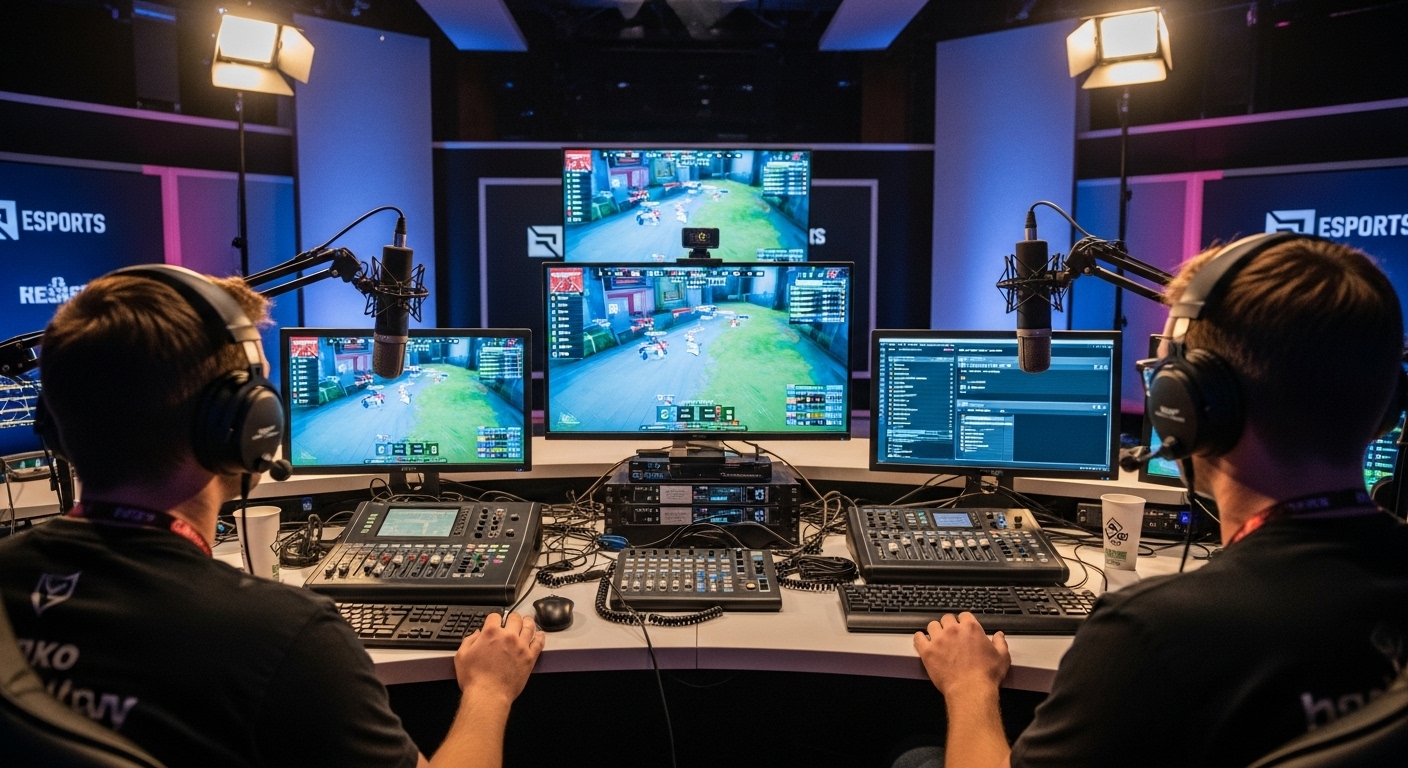

Introduction to Esports
Esports, or electronic sports, has rapidly grown from a casual hobby into a worldwide competitive industry. With millions tuning in to watch players compete in video games, esports has transformed the way we think about sports and entertainment. It blends skill, strategy, teamwork, and technology in a way that appeals to a diverse global audience.
How Esports Became a Global Phenomenon
The journey of esports began with simple multiplayer games played in arcades and at home. As the internet connected players from around the world, online competitive gaming flourished. Titles like League of Legends, Dota 2, and Fortnite have driven esports to unprecedented heights. Today, tournaments attract millions of viewers, comparable to traditional sports events, showcasing the mass appeal of esports.
The Life of a Professional Gamer
Becoming a professional esports player requires dedication and discipline. Unlike casual gamers, professionals train for several hours daily, focusing on improving their mechanics, game knowledge, and teamwork. These players often join esports organizations that provide coaching, support, and resources, enabling them to compete at the highest levels.
Major Esports Events and Their Impact
Esports tournaments have grown into massive spectacles, filling arenas and drawing huge online audiences. Events like The International and the League of Legends World Championship offer multimillion-dollar prize pools. These competitions not only highlight top talent but also foster a strong community of fans who engage through live streams, social media, and fan meetups.
The Business Side of Esports
The growth of esports has attracted investment from brands, advertisers, and media companies. Sponsorship deals, merchandise sales, and broadcasting rights are significant revenue streams. The industry also creates jobs beyond the players themselves, including roles in event management, marketing, game development, and commentary.
Esports and Education
Recognizing esports’ legitimacy, many educational institutions now offer scholarships and establish official esports programs. Students can compete while pursuing their studies and may also explore career opportunities related to the industry. This integration highlights esports as a viable and respected field.
Challenges Within Esports
Despite its rapid rise, esports faces challenges such as player burnout, lack of regulation, and inclusivity issues. The pressure to perform consistently at high levels can take a toll on players’ mental and physical health. Industry leaders continue working on solutions to create a sustainable and supportive environment.
Esports as a Cultural Movement
Beyond competition, esports influences popular culture. It shapes trends in fashion, music, and social interactions, especially among younger generations. Streaming platforms and content creators play a vital role in building communities and sharing gaming experiences globally.
Conclusion: The Future of Competitive Gaming
Esports is no longer confined to niche circles. It is a powerful industry shaping the future of entertainment and sports. As technology advances and audiences grow, esports will continue to evolve, offering new experiences for players and fans alike. The digital arena has arrived—and it’s here to stay.