Introduction: The Dawn of a Digital Arena
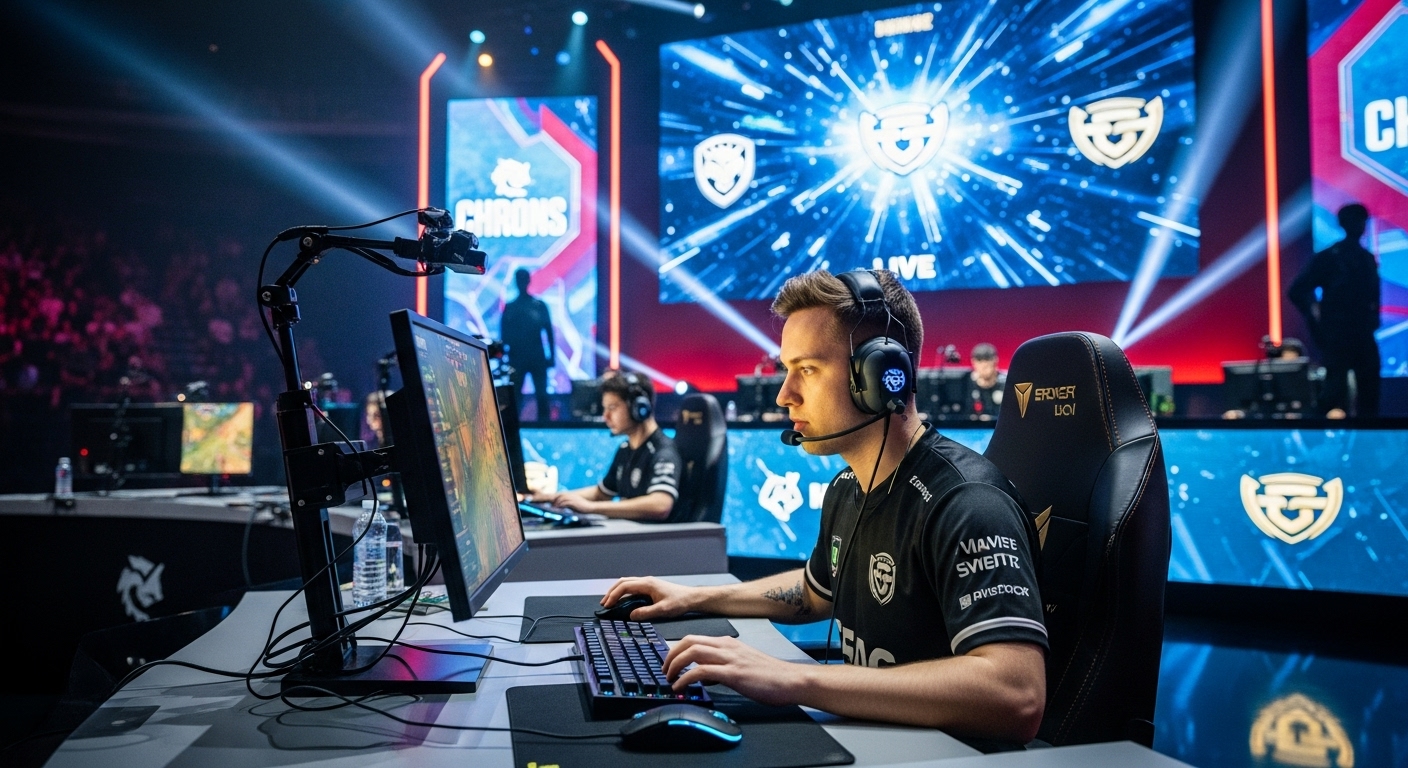
The world of competitive gaming, or esports, has transformed from a niche hobby into a global phenomenon. Once considered a pastime limited to bedroom gamers and small local tournaments, esports now commands stadiums filled with cheering fans, multi-million-dollar sponsorships, and professional athletes who train rigorously like their counterparts in traditional sports. This evolution reflects the merging of technology, entertainment, and competition, creating a cultural shift in how we perceive gaming. Esports is no longer just about playing games—it has become a career, a spectacle, and an industry shaping the future of digital entertainment.
The Evolution of Esports: From Basement Battles to Global Stages
Esports traces its origins to the late 20th century, with early competitive video games like Pong, Street Fighter, and StarCraft paving the way. The earliest tournaments were modest, often hosted in arcades or local gaming clubs, where enthusiasts competed for small prizes or bragging rights. The 1990s marked a turning point, as online connectivity allowed gamers to compete beyond their local communities. Titles like Counter-Strike and Warcraft III became the first games to establish organized competitions on a regional and international scale.
The real explosion occurred in the 2000s with the rise of streaming platforms, which allowed players to broadcast matches to global audiences. Platforms such as Twitch and YouTube Gaming created opportunities for both players and fans, turning obscure competitions into live spectacles watched by millions. Today, esports events rival traditional sports in viewership, with tournaments offering multi-million-dollar prize pools and professional teams backed by major brands and investors.
Popular Esports Genres and Games
Esports is a broad industry encompassing various game genres, each attracting different types of players and audiences. Multiplayer online battle arena (MOBA) games like League of Legends and Dota 2 emphasize strategy, teamwork, and split-second decision-making. First-person shooters (FPS) such as Counter-Strike: Global Offensive, Valorant, and Call of Duty focus on precision, reflexes, and individual skill. Battle royale games, including Fortnite and Apex Legends, combine survival mechanics with competitive intensity, creating a unique spectator experience.
Sports simulation games, including FIFA and NBA 2K, also have thriving competitive scenes, appealing to fans of traditional sports who enjoy virtual renditions of their favorite leagues. Fighting games, card games, and real-time strategy titles round out the diverse ecosystem, each with dedicated fanbases and professional circuits. This diversity ensures that esports caters to a wide range of interests and skill sets, making it accessible to virtually anyone with a passion for gaming.
The Professional Esports Ecosystem
Professional esports mirrors traditional sports in its structure. Teams are organized with players, coaches, analysts, and managers, all working together to achieve peak performance. Players often follow rigorous training schedules that include practice matches, strategy sessions, and physical conditioning to maintain reflexes and mental focus. The professionalization of esports also extends to sponsorship deals, merchandising, and media rights, generating significant revenue streams for players and organizations alike.
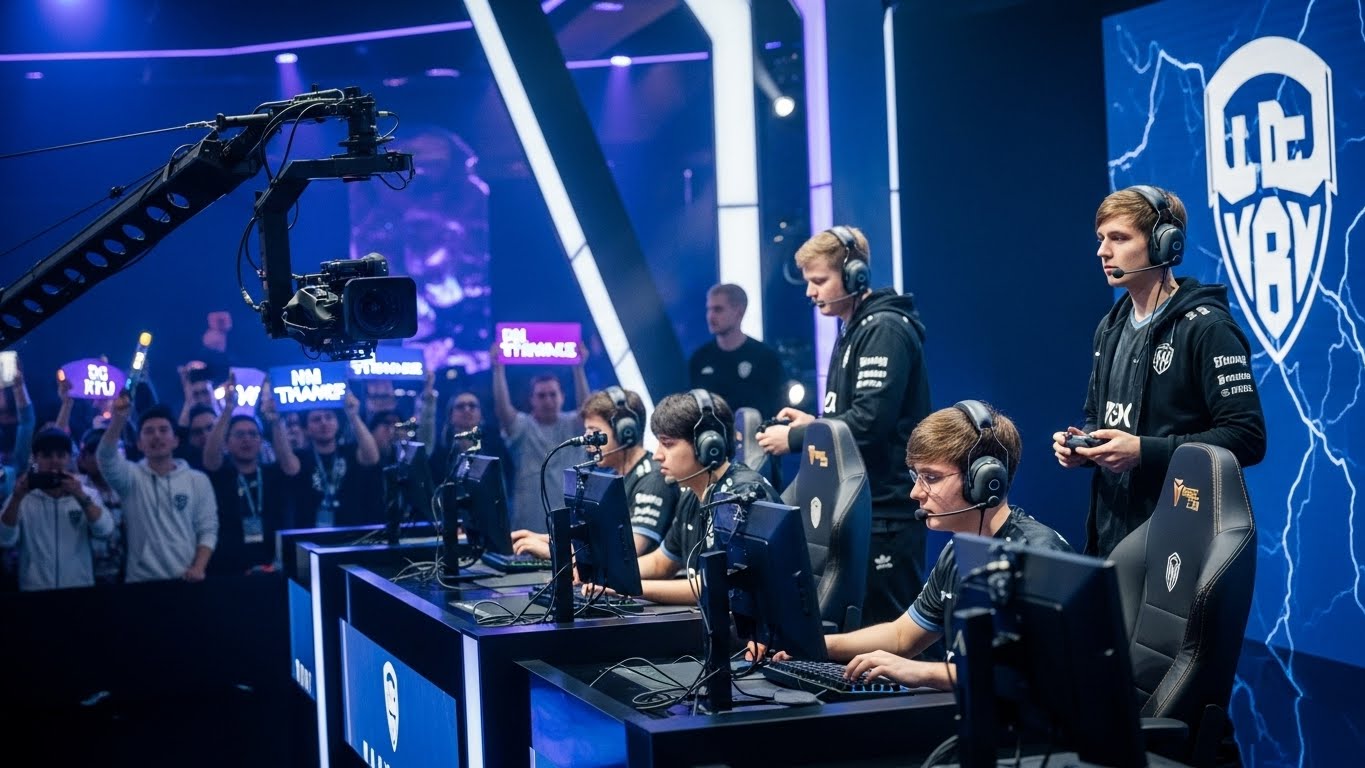
Esports leagues and tournaments are meticulously structured, with global circuits culminating in championship events that attract worldwide audiences. Examples include the League of Legends World Championship, The International for Dota 2, and the Fortnite World Cup. These tournaments offer not only substantial prize money but also international recognition and opportunities for brand partnerships. The growth of collegiate esports programs and high school leagues further strengthens the professional pipeline, ensuring that aspiring players have avenues to pursue careers in competitive gaming.
Economic Impact of Esports
The economic impact of esports is substantial, spanning multiple sectors including gaming, technology, media, and marketing. Revenue streams include sponsorship deals, ticket sales, merchandise, advertising, and streaming subscriptions. Leading esports organizations have secured investments from celebrities, sports franchises, and venture capitalists, underscoring the legitimacy and profitability of the industry.
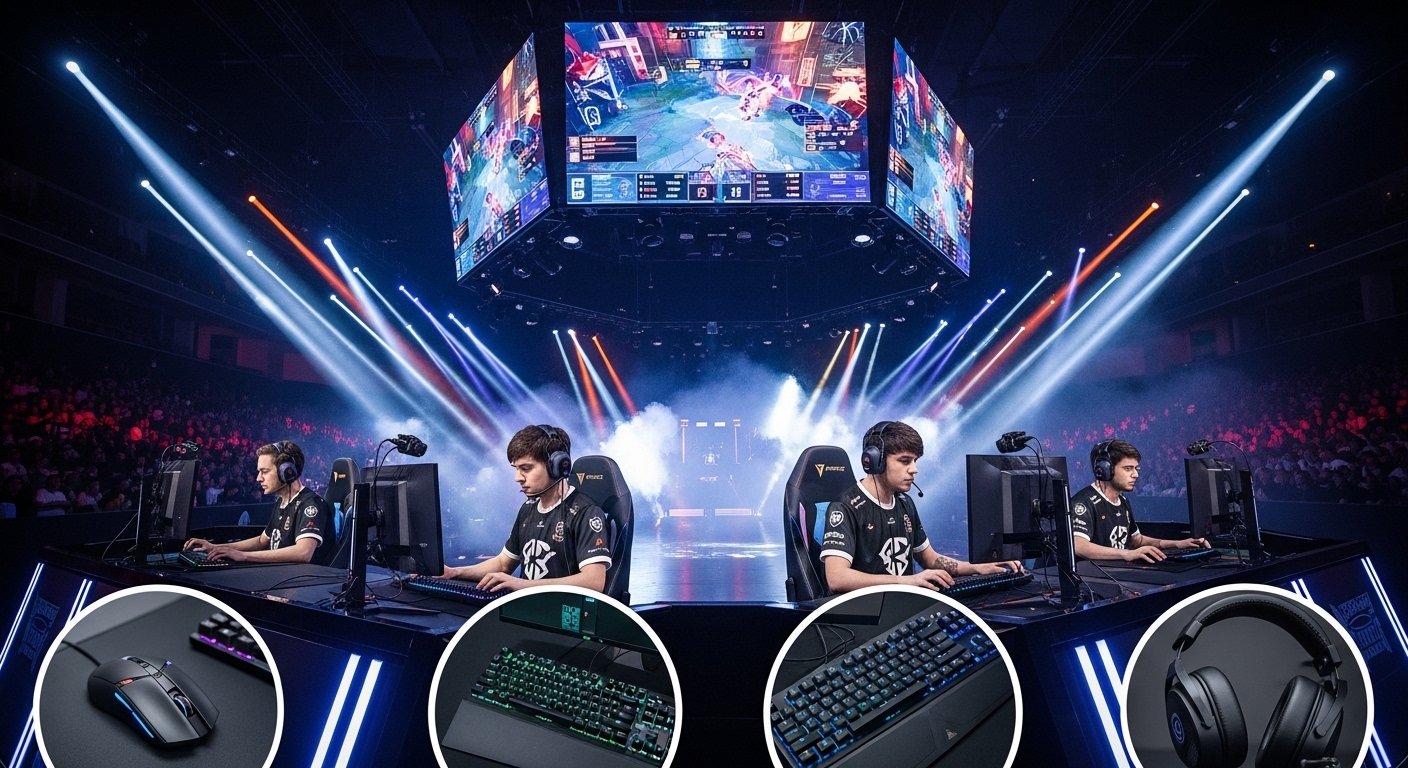
Beyond organizations, the wider ecosystem benefits hardware manufacturers, software developers, and digital platforms. Gaming peripherals such as high-performance keyboards, mice, and headsets see increased demand, while internet infrastructure and cloud computing services are bolstered by the need for seamless online competition. The industry’s economic footprint continues to grow, demonstrating that esports is not merely entertainment but a powerful driver of technological and commercial innovation.
The Cultural Significance of Esports
Esports has evolved into a cultural force, influencing music, fashion, media, and social interactions. Professional players have become celebrities, amassing large social media followings and influencing youth culture. Gaming events are not just competitions but social gatherings where fans celebrate shared passions, often integrating cosplay, music performances, and interactive experiences.
Streaming culture also fosters a unique community dynamic. Viewers not only watch matches but interact with players in real time, participate in fan-driven content, and even contribute to shaping gaming trends. This participatory culture distinguishes esports from traditional sports, creating a hybrid space where fans are active contributors to the industry’s growth and cultural relevance.
Challenges Facing Esports
Despite its growth, esports faces challenges that require attention from players, organizers, and stakeholders. Player burnout is a significant concern due to long training hours and high-pressure competition. Mental health support and sustainable scheduling are becoming increasingly critical to ensure player well-being.
Regulatory issues also arise in areas such as player contracts, tournament integrity, and age restrictions. Match-fixing, cheating, and doping controversies have occasionally marred the industry, highlighting the need for transparent governance. Moreover, inclusivity remains a challenge, with efforts underway to broaden participation among women and underrepresented groups to ensure esports reflects the diversity of its global audience.
The Future of Esports
Looking ahead, esports is poised for continued expansion and innovation. Advancements in virtual reality (VR) and augmented reality (AR) could redefine how players compete and fans engage, offering immersive experiences beyond traditional screens. Artificial intelligence may also enhance training, strategy development, and spectator analytics, creating smarter gameplay and richer viewing experiences.
Integration with mainstream media and traditional sports is likely to grow. Collaborations between esports and conventional sports leagues, entertainment franchises, and educational institutions will expand visibility and legitimize gaming as a professional pursuit. As technology evolves, so too will the ways in which fans connect with players, tournaments, and the broader gaming culture.
Conclusion: Esports as a Modern Revolution
Esports is more than a trend; it represents a fundamental shift in entertainment, competition, and cultural expression. From humble beginnings in arcades to sold-out arenas and online streaming platforms, competitive gaming has grown into a professional, global phenomenon that captivates millions. It challenges traditional notions of sport, blends digital innovation with social engagement, and offers opportunities for careers, creativity, and community building.
As esports continues to mature, it will reshape not only the gaming industry but the broader landscape of media, culture, and sports. Whether you are a casual gamer, an aspiring professional, or a passionate fan, esports offers a front-row seat to the evolution of competition in the digital age. It is a revolution that celebrates skill, strategy, and passion—one click, one match, and one tournament at a time.