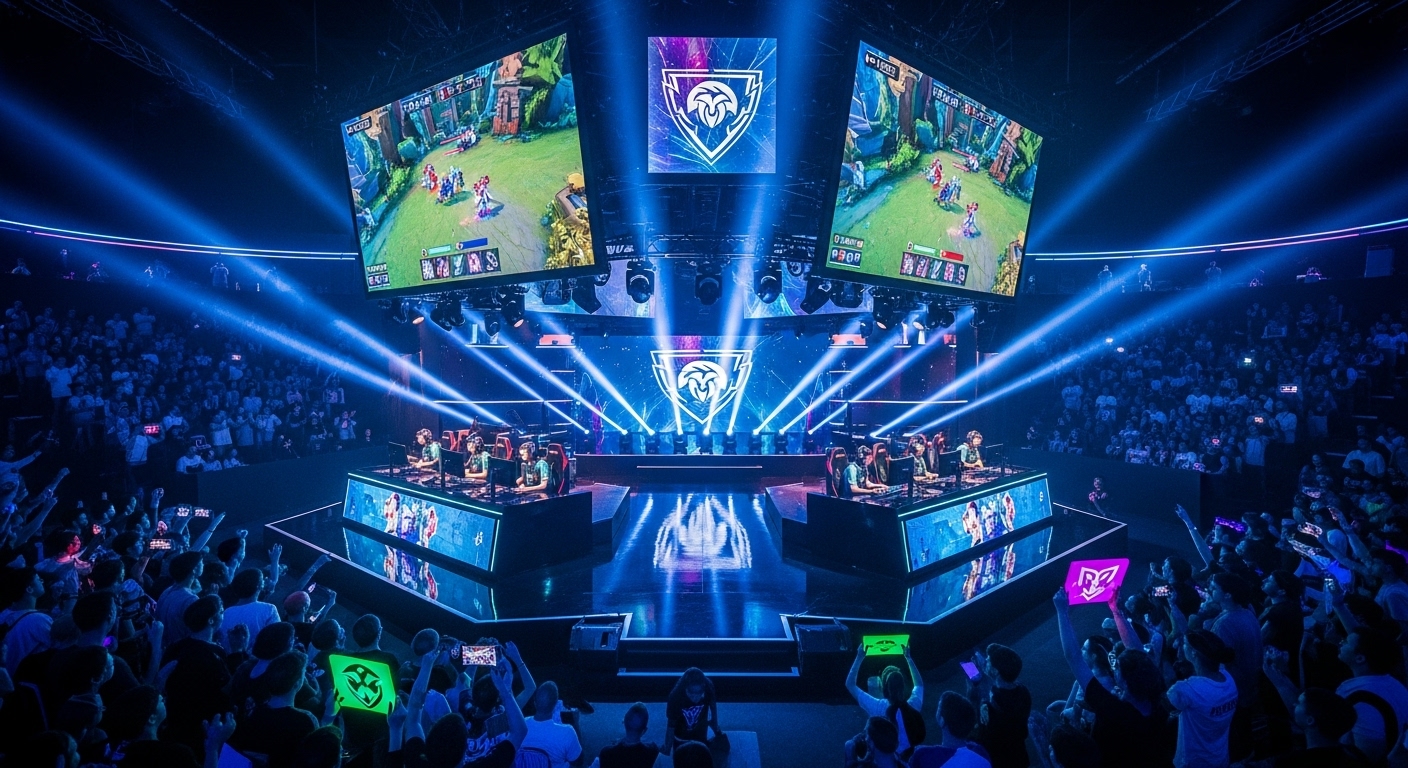
In recent years, the world has witnessed an explosive rise in the popularity of esports. What was once a niche hobby has now evolved into a global industry worth billions of dollars. Esports, short for electronic sports, refers to competitive video gaming where players and teams compete at professional levels in games like League of Legends, Counter-Strike, Fortnite, Dota 2, and many more. As this digital revolution continues to reshape the entertainment landscape, one important discussion has emerged—the impact of esports on mental health.
The debate around the mental health effects of gaming and esports is complex. On one side, critics argue that excessive gaming can lead to addiction, anxiety, and social isolation. On the other, supporters highlight the benefits of esports, including stress relief, cognitive development, social connection, and even career opportunities. This blog will explore both the positive and negative effects of esports on mental health, analyze the psychological aspects of competitive gaming, and discuss strategies to maintain mental well-being in this rapidly growing field.
The Rise of Esports and Its Influence
Esports has transformed from casual online gaming to a structured, organized form of competition watched by millions worldwide. Professional players now earn salaries, sponsorships, and endorsements comparable to traditional athletes. Universities offer scholarships for esports players, and international tournaments attract massive audiences, both online and in arenas.
However, with fame, competition, and financial rewards comes pressure. Esports athletes often train for 8 to 12 hours a day, analyzing gameplay, strategizing, and practicing mechanical precision. The intense focus and long hours can take a toll on mental and physical health. Yet, esports also provides a sense of purpose, belonging, and accomplishment for many individuals who once felt marginalized or misunderstood.
Positive Effects of Esports on Mental Health
1. Cognitive and Emotional Benefits
Engaging in competitive gaming requires strategic thinking, problem-solving, quick decision-making, and hand-eye coordination. These activities stimulate various parts of the brain, enhancing cognitive functions such as memory, concentration, and reaction time. Games like StarCraft or Dota 2 involve complex strategies that train the mind to think critically and multitask efficiently.
Moreover, gaming can serve as a healthy outlet for emotions. For many, it provides a sense of escape and relief from daily stressors. Just as traditional sports release endorphins through physical exertion, gaming can trigger dopamine release—creating feelings of accomplishment and satisfaction after a hard-fought victory.
2. Building Social Connections and Community
Contrary to the stereotype of gamers being isolated, esports has fostered a strong sense of community. Online gaming platforms and esports organizations connect people from around the world, breaking down cultural and geographical barriers. Players form friendships, teams, and support networks that often extend beyond the screen.
This sense of belonging can be especially beneficial for individuals who struggle with social anxiety or loneliness. Interacting with like-minded players in a virtual setting can build confidence, improve communication skills, and create a shared sense of identity. Many gamers report that online friendships are just as meaningful as offline ones.
3. Career Opportunities and Personal Growth
The esports industry offers diverse career paths beyond playing competitively. There are roles in game development, event management, commentary, marketing, and coaching. These opportunities allow individuals to pursue passions while gaining valuable skills such as teamwork, discipline, leadership, and strategic thinking.
For young people who may not excel in traditional sports or academics, esports can provide a platform to showcase talent and gain recognition. This sense of achievement and purpose contributes positively to mental well-being, boosting self-esteem and motivation.
4. Stress Relief and Entertainment
Gaming can serve as a stress-relieving activity. Immersing oneself in a virtual world allows players to unwind, focus their energy, and disconnect from real-world problems. For many, playing or watching esports becomes a form of relaxation, similar to how others enjoy movies or music.
When played in moderation, esports can promote balance in life, providing joy and excitement while improving mental agility and relaxation.
Negative Effects of Esports on Mental Health
While esports brings numerous benefits, it also poses risks when not managed responsibly. The competitive nature and lifestyle associated with professional gaming can introduce various mental health challenges.
1. Gaming Addiction and Compulsive Behavior
Perhaps the most widely discussed issue is gaming addiction. The World Health Organization has classified “gaming disorder” as a mental health condition characterized by impaired control over gaming, increased priority given to gaming over other activities, and continuation despite negative consequences.
Professional players and enthusiasts alike may find themselves spending excessive hours playing or watching esports, often neglecting sleep, diet, relationships, and real-world responsibilities. Over time, this can lead to burnout, fatigue, and emotional exhaustion.
2. Performance Pressure and Anxiety
Esports athletes face immense performance pressure. The constant demand to win, maintain rankings, and satisfy sponsors or fans can create stress comparable to that experienced by traditional athletes. High-stakes tournaments, public scrutiny, and online criticism amplify the pressure even further.
Performance anxiety can manifest as nervousness, overthinking, and loss of confidence during competitions. In extreme cases, this may lead to depression, burnout, or withdrawal from the competitive scene altogether.
3. Sleep Deprivation and Physical Health Problems
Extended gaming sessions often lead to irregular sleep patterns. Many esports tournaments occur online across different time zones, causing players to compete late at night or during odd hours. Sleep deprivation has a direct impact on mood, concentration, and emotional regulation.
In addition to mental fatigue, prolonged sitting, poor diet, and lack of exercise can lead to physical health problems such as obesity, eye strain, carpal tunnel syndrome, and back pain—all of which contribute to declining mental health.
4. Toxic Online Environments
Another major challenge within esports is the prevalence of toxic behavior. Online harassment, bullying, and negative comments from opponents or spectators can severely affect players’ mental well-being. Female and minority gamers often face higher levels of discrimination and verbal abuse, leading to anxiety, self-doubt, and withdrawal from online spaces.
Esports organizations have begun taking steps to address toxicity, but the problem persists, highlighting the need for stronger community guidelines and mental health support.
5. Identity and Reality Confusion
For some players, the line between real life and the virtual world can blur. When one’s identity becomes deeply tied to an online persona or gaming success, setbacks in the game can lead to feelings of worthlessness in real life. This overidentification with virtual achievements can hinder emotional resilience and self-acceptance.
Mental Health Challenges for Professional Esports Players
The lifestyle of a professional esports athlete is glamorous on the surface, but behind the scenes, it involves intense training, constant scrutiny, and minimal downtime. Many players start at a young age, dedicating most of their time to gaming, which limits social interactions and other life experiences.
As players compete for limited spots on top teams, they experience extreme competition and job insecurity. Unlike traditional sports with structured unions and medical support, esports organizations are still developing frameworks for player welfare. As a result, many professionals suffer in silence, battling anxiety, depression, or burnout without adequate support.
Moreover, the short career span of esports players—often ending before the age of 30—creates additional pressure to succeed quickly. Once they retire, adjusting to life outside the gaming world can be emotionally challenging, similar to how traditional athletes struggle after retirement.
How Esports Organizations Are Addressing Mental Health
Recognizing the growing concern, many esports teams and organizations have started prioritizing mental health support. Professional teams are hiring psychologists, counselors, and wellness coaches to help players manage stress, improve focus, and maintain emotional balance.
Mental health awareness programs and workshops are becoming more common at major tournaments and gaming events. Some game developers are also taking steps to encourage healthy gaming habits by introducing features like playtime reminders, parental controls, and in-game wellness prompts.
Streaming platforms and gaming communities are gradually implementing moderation systems to reduce harassment and create safer online spaces. While there is still a long way to go, these efforts represent a positive shift toward recognizing mental health as a crucial aspect of esports.
Balancing Esports and Mental Well-Being
Maintaining mental health while engaging in esports requires balance and self-awareness. Players—whether professional or casual—can adopt several strategies to ensure gaming remains a positive experience.
1. Set Time Limits
Establish boundaries for gaming hours and stick to them. Scheduling breaks and ensuring enough time for rest, exercise, and social interaction prevents burnout and keeps the mind refreshed.
2. Practice Physical Health Habits
Incorporating exercise, a healthy diet, and proper posture can significantly improve both physical and mental health. Regular physical activity helps manage stress, boosts mood, and enhances focus.
3. Stay Connected Offline
While online friendships are valuable, maintaining real-world relationships is equally important. Spending time with family and friends offline helps build emotional support systems and reduces isolation.
4. Seek Professional Help When Needed
If feelings of anxiety, depression, or burnout become overwhelming, reaching out to a mental health professional is crucial. Therapy and counseling can provide coping strategies and prevent further emotional strain.
5. Promote a Positive Gaming Culture
Encouraging respect, empathy, and sportsmanship within gaming communities can make a huge difference. Players, streamers, and fans should take responsibility for maintaining healthy interactions and discouraging toxic behavior.
The Role of Parents and Educators
Parents and educators also play a vital role in ensuring that esports participation remains healthy for young players. Instead of demonizing gaming, they can focus on guidance and balance. Teaching children about time management, emotional regulation, and the importance of physical activity helps create responsible gamers.
Schools and colleges that introduce esports programs can also integrate mental health education, promoting awareness about both the benefits and risks associated with competitive gaming.
Esports as a Tool for Mental Health Awareness
Interestingly, esports itself has become a platform for spreading mental health awareness. Many streamers and professional players now speak openly about their struggles with depression, anxiety, or burnout, helping to break the stigma around mental health in gaming.
Tournaments and events often dedicate segments to promoting wellness, encouraging open discussions about mental well-being. This collective effort demonstrates that the gaming community is evolving, embracing both competition and compassion.
Future of Esports and Mental Health
As esports continues to grow, the conversation about mental health will remain central. The future may see the integration of advanced wellness programs within teams, mandatory mental health training, and greater recognition of the psychological challenges unique to gaming.
Technology could also play a role in promoting healthier gaming habits. Artificial intelligence may be used to monitor player fatigue, suggest breaks, and detect early signs of burnout. Virtual reality therapy and mindfulness-based gaming experiences could become tools for emotional balance.
Ultimately, the goal is to create an ecosystem where players can thrive mentally, emotionally, and professionally.
Conclusion
The impact of esports on mental health is multifaceted, blending both challenges and opportunities. While excessive gaming and competitive pressure can contribute to stress, anxiety, and addiction, the world of esports also offers community, purpose, and personal growth.
With proper awareness, balance, and support systems in place, esports can become not just a competitive arena but also a force for positive mental health development. Players, coaches, organizations, and fans must work together to promote wellness, compassion, and healthy gaming habits.
As society continues to embrace the digital age, understanding and nurturing the mental well-being of gamers is not just important—it’s essential. The future of esports depends not only on skill and technology but also on the mental resilience of those who bring virtual worlds to life.