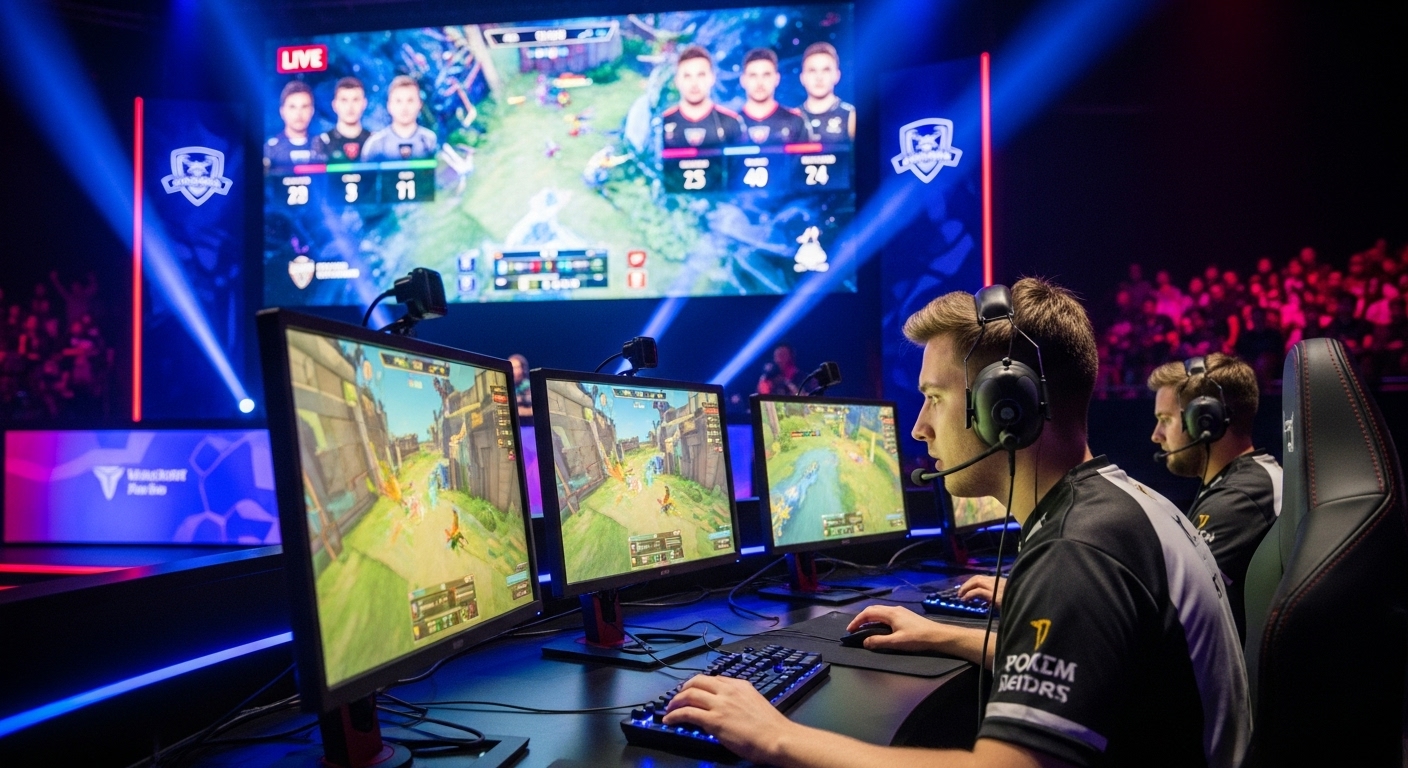

Esports has traditionally been dominated by PC and console games, with titles like League of Legends, Dota 2, and Counter-Strike: Global Offensive leading the scene. However, in recent years, mobile gaming has emerged as a major force in competitive esports, transforming the industry and redefining what it means to be a professional gamer. With the proliferation of smartphones, faster internet connectivity, and innovative game designs, mobile esports has carved out its own global ecosystem.
This blog explores how mobile gaming became an esports powerhouse, examining the factors behind its growth, notable tournaments, player dynamics, and the cultural impact of this rapidly expanding segment.
The Rise of Mobile Gaming
The foundation of mobile esports lies in the global explosion of mobile gaming. Smartphones are now ubiquitous, providing an accessible platform for gaming without expensive hardware or peripherals. Titles such as PUBG Mobile, Free Fire, Mobile Legends: Bang Bang, and Call of Duty: Mobile have attracted millions of players worldwide, creating a vast competitive community.
Key factors contributing to the rise of mobile gaming include:
- Accessibility: Unlike PC or console gaming, mobile gaming requires minimal investment—anyone with a smartphone can participate.
- Portability: Players can practice, compete, and stream from virtually anywhere, lowering barriers to entry.
- Global Reach: Countries with limited access to high-end PCs or consoles still have thriving mobile gaming communities.
- Rapid Development: Mobile games are updated frequently, offering fresh content, competitive modes, and seasonal events that keep players engaged.
This combination of accessibility, portability, and ongoing innovation positioned mobile gaming as a natural incubator for competitive esports.
Pioneering Mobile Esports Titles
Certain mobile games have been instrumental in establishing esports as a legitimate competitive platform:
- PUBG Mobile: Widely regarded as the game that popularized mobile battle royale esports, PUBG Mobile features tournaments like the PUBG Mobile Global Championship, attracting millions of viewers and offering multi-million-dollar prize pools.
- Free Fire: Especially popular in Southeast Asia and Latin America, Free Fire has become a cultural phenomenon. Its tournaments, such as the Free Fire World Series, draw massive audiences both online and offline.
- Mobile Legends: Bang Bang: A mobile MOBA that mirrors the success of PC MOBAs, Mobile Legends has a strong professional scene in Southeast Asia, with leagues and world championships that rival PC esports in terms of fan engagement.
- Call of Duty: Mobile: Combining console-quality gameplay with mobile accessibility, Call of Duty: Mobile has established a competitive circuit that includes seasonal tournaments, regional qualifiers, and global events.
These games demonstrate that mobile esports is not just casual competition—it is professional, organized, and commercially viable.
Factors Driving Mobile Esports Popularity
Mobile esports has grown rapidly due to a combination of technological, cultural, and economic factors:
- Smartphone Penetration: Affordable smartphones and faster 4G/5G networks have made high-quality gaming accessible to a massive global audience.
- Streaming and Social Media: Platforms like YouTube, Facebook Gaming, and TikTok enable players to broadcast gameplay, engage fans, and build communities, increasing visibility and excitement around mobile competitions.
- Regional Appeal: Mobile gaming thrives in regions where PCs or consoles are less prevalent. Countries like India, Indonesia, and Brazil have become hotbeds for mobile esports talent.
- Event Spectacle: Major tournaments now feature live audiences, cinematic production, and professional casting, mirroring traditional esports events and elevating mobile gaming’s legitimacy.
- Monetization and Sponsorships: Successful mobile esports attract sponsorships, advertising, and media rights deals, creating sustainable ecosystems for players, teams, and organizers.
These factors collectively contribute to mobile esports becoming a powerhouse on a global scale.
The Professionalization of Mobile Esports
As mobile esports grew, it began to professionalize in ways similar to PC and console esports:
- Structured Leagues: Regional leagues, qualifiers, and seasonal events allow players and teams to compete consistently, improving skill and fan engagement.
- Team Organizations: Professional organizations like EVOS Esports, RRQ, and ONIC Esports recruit top talent, providing coaching, training facilities, and management.
- Player Careers: Top mobile esports athletes now enjoy salaries, sponsorship deals, and streaming opportunities, making competitive gaming a viable career path.
- Standardized Rules: Tournament organizers enforce rules, formats, and anti-cheat systems, ensuring fair play and credibility.
This professionalization has elevated mobile esports from casual competition to a serious industry with a sustainable ecosystem.
Iconic Mobile Esports Tournaments
Several tournaments have showcased the global reach and competitive legitimacy of mobile esports:
- PUBG Mobile Global Championship (PMGC): Bringing together the best teams worldwide, PMGC offers multi-million-dollar prize pools and attracts millions of live viewers.
- Free Fire World Series: With huge regional followings, the Free Fire World Series has become a global spectacle, combining high-stakes competition with entertainment and fan engagement.
- Mobile Legends Professional League (MPL) & World Championship: Southeast Asia’s premier Mobile Legends leagues feature structured seasons, playoffs, and world-level events that rival PC MOBAs in excitement.
- Call of Duty: Mobile World Championship: Combining fast-paced shooter mechanics with mobile accessibility, this championship has fostered competitive communities in multiple regions.
These events demonstrate that mobile esports can deliver high-quality competition, viewership, and production value, rivaling established PC and console esports tournaments.
Cultural and Economic Impact
Mobile esports has far-reaching cultural and economic implications:
- Youth Engagement: Mobile games appeal to younger audiences, fostering early adoption of esports culture.
- Community Building: Regional fan communities create engagement opportunities, including fan art, streaming, and online forums.
- Sponsorship and Marketing: Brands leverage mobile esports for advertising and product placement, seeing massive engagement among young, digital-native audiences.
- Economic Growth: Successful mobile esports ecosystems generate jobs for players, coaches, event organizers, and content creators.
By connecting entertainment, competition, and commerce, mobile esports has become a major cultural and economic force.
Challenges and Future Opportunities
Despite its growth, mobile esports faces challenges:
- Device Variability: Different smartphones have varying performance, which can affect competitive fairness.
- Connectivity Issues: Lag and network instability can impact gameplay, particularly in regions with unreliable internet.
- Perception: Some traditional esports fans may underestimate mobile esports, viewing it as less serious than PC or console gaming.
However, these challenges are being addressed through standardized devices in tournaments, 5G expansion, and increasing recognition of mobile esports as legitimate professional competition.
Looking forward, mobile esports is likely to expand further:
- Global Expansion: Emerging markets in Asia, South America, and Africa will drive new talent and audiences.
- Integration with Media: Esports broadcasting, influencer marketing, and cross-platform events will increase visibility and cultural relevance.
- Innovation in Game Design: Mobile games will continue evolving with esports-ready mechanics, balancing accessibility and competitive depth.
The future of mobile esports promises continued growth, innovation, and mainstream recognition.
Conclusion
Mobile gaming has transformed from a casual pastime to a global esports powerhouse. Its accessibility, portability, and innovative design have created a competitive ecosystem that rivals PC and console esports. Professional leagues, iconic tournaments, and charismatic players have further solidified mobile gaming’s role in the esports industry.
As technology, connectivity, and community engagement continue to improve, mobile esports is poised to dominate the competitive gaming landscape, shaping the future of esports worldwide. It demonstrates that the power of esports is not confined to desktops or consoles—sometimes, it fits right in your pocket.