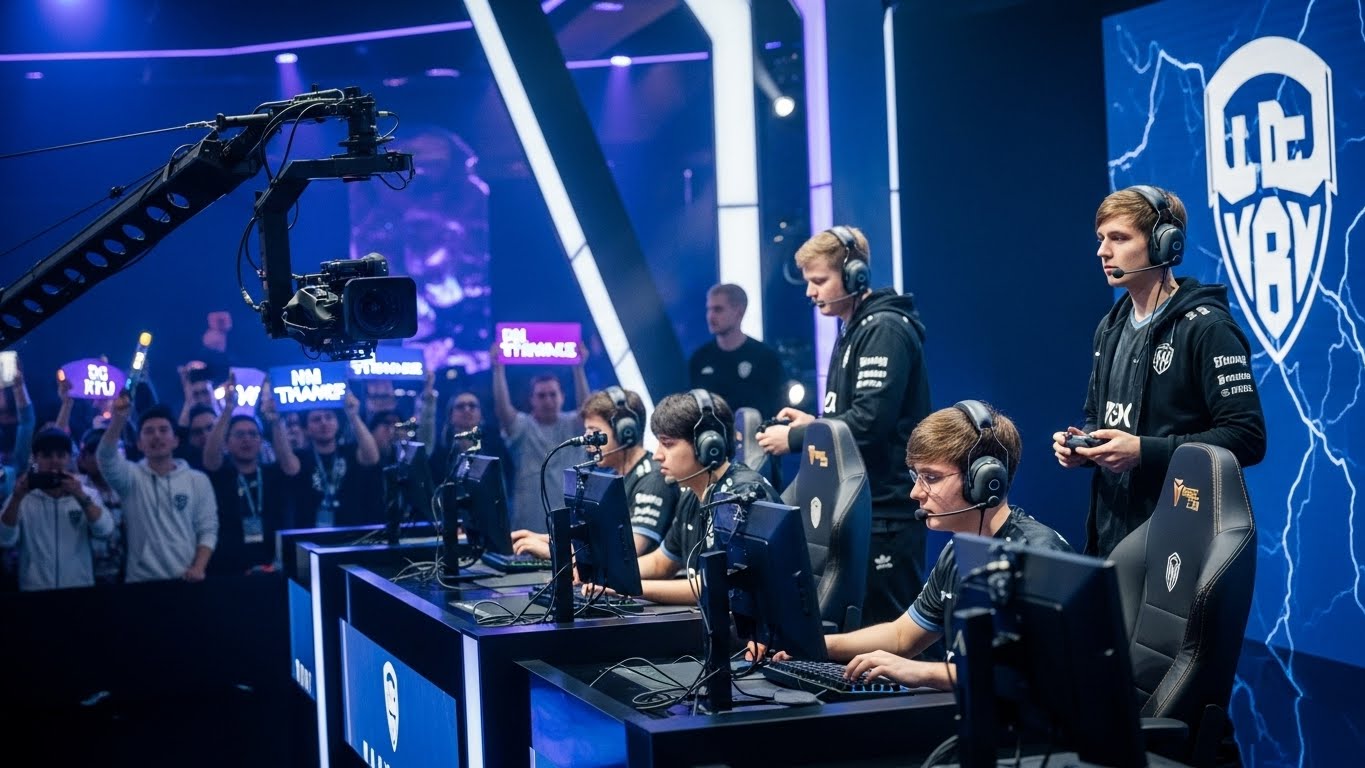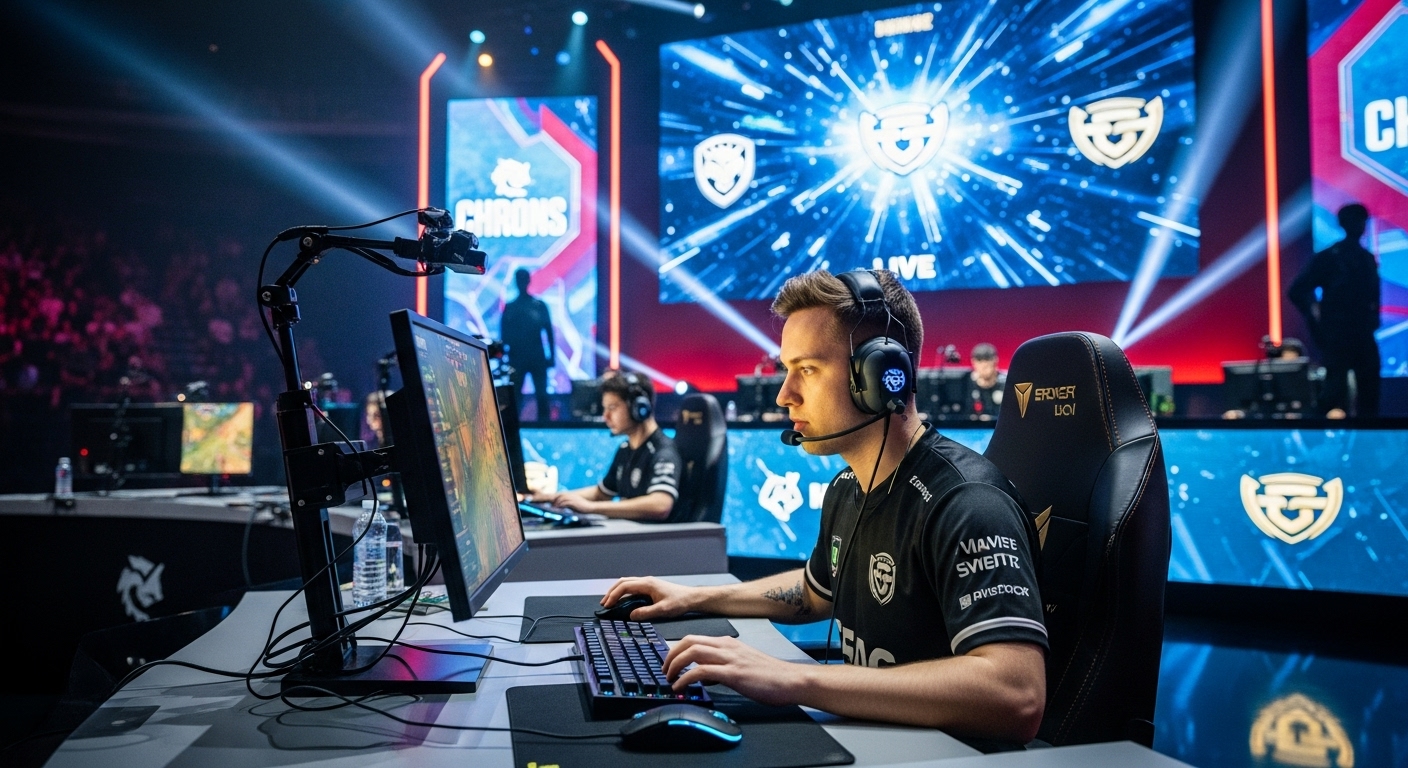
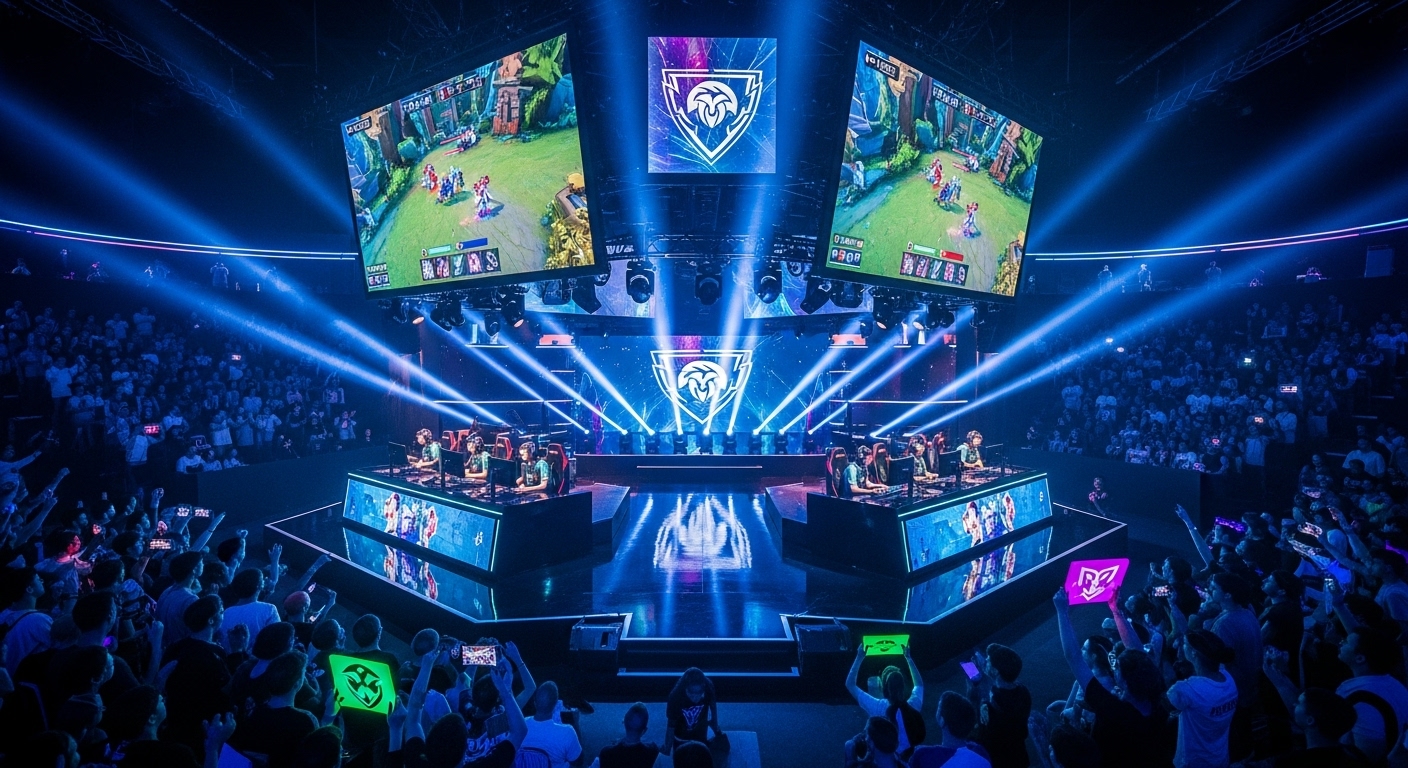
Esports, or competitive video gaming, has grown from a small, niche activity into a massive global industry that attracts millions of viewers, sponsors, and professional players. What was once considered a hobby for a few enthusiasts has now evolved into a career path, a lucrative business, and a cultural phenomenon. This transformation has been fueled by technology, social media, global connectivity, and the dedication of players and fans around the world. In this article, we will explore the history, growth, and impact of esports, examining its rise, the industries it intersects with, and what the future may hold for this dynamic field.
The Origins of Esports
The roots of esports can be traced back to the 1970s and 1980s when video games first became a mainstream form of entertainment. Early gaming competitions were often local or regional events, such as arcade tournaments where players would compete for high scores. The famous Space Invaders Championship in 1980 is widely recognized as one of the first large-scale gaming competitions. Thousands of participants from across the United States took part in this event, setting a precedent for competitive gaming on a national scale.
During the 1990s, the rise of personal computers and LAN (Local Area Network) parties helped bring competitive gaming into homes and small communities. Games like Quake, StarCraft, and Counter-Strike became the foundation for competitive multiplayer gaming. These early tournaments were often informal but laid the groundwork for what would eventually become professional esports leagues.
The Growth of Online Gaming and Esports
The 2000s marked a turning point for esports, largely due to the widespread availability of high-speed internet. Online multiplayer games allowed players to compete against each other from different parts of the world, leading to the creation of online tournaments and leagues. Games like Warcraft III, DotA (Defense of the Ancients), and Counter-Strike became staples of competitive gaming.
During this period, dedicated platforms for streaming and broadcasting gameplay began to emerge. Sites like Justin.tv, which later became Twitch, allowed gamers to share their skills with a wider audience. This shift made it possible for players to build fan followings, while fans could watch their favorite players compete in real-time. The combination of competitive gaming and live streaming formed the foundation for modern esports.
Major Esports Titles and Their Communities
Esports today is driven by a handful of major titles that have large, passionate communities. These games span multiple genres, including first-person shooters, real-time strategy, multiplayer online battle arenas (MOBA), and sports simulations. Some of the most influential esports titles include:
- League of Legends: A MOBA game that has dominated the esports scene for over a decade. Its professional league, the League of Legends Championship Series, attracts millions of viewers worldwide.
- Dota 2: Another MOBA title known for its competitive scene and record-breaking prize pools, especially in The International tournament.
- Counter-Strike: Global Offensive: A first-person shooter that has maintained a consistent competitive scene for years. Its tournaments feature high-stakes matches and professional teams with loyal fan bases.
- Overwatch: A team-based shooter that introduced a structured league system with city-based teams, making it resemble traditional sports leagues.
- Fortnite: A battle royale game that brought esports to a younger audience, combining competitive gameplay with entertainment-focused tournaments.
Each game fosters a unique community and culture, from hardcore players to casual fans who follow events and players online. These communities are not just consumers; they often contribute to game strategies, fan art, and content creation, further fueling the growth of esports.
The Economics of Esports
Esports has grown into a billion-dollar industry, attracting investment from major corporations, media companies, and private sponsors. Revenue streams include tournament prize money, sponsorship deals, merchandise, advertising, and media rights. Major tournaments now offer multi-million-dollar prize pools, rivaling traditional sports competitions.
Professional players can earn income through team salaries, sponsorships, streaming, and content creation. The top-tier players often become celebrities within the gaming community, with fan followings comparable to traditional athletes. Teams are increasingly treated as professional organizations, with managers, coaches, analysts, and marketing staff working to optimize performance and brand visibility.
Sponsorships are a critical component of esports economics. Brands from outside the gaming industry, including tech companies, beverage brands, and even fashion labels, see value in associating with esports due to its younger, digitally savvy audience. This trend has expanded the visibility of esports and legitimized it as a mainstream form of entertainment.
Esports and Media Integration
The relationship between esports and media has grown stronger over the past decade. Streaming platforms like Twitch, YouTube Gaming, and Facebook Gaming provide real-time access to competitions, while traditional media outlets increasingly cover major esports events. Some tournaments are broadcast on television, and esports highlights appear on sports networks, bridging the gap between gaming and mainstream entertainment.
Content creation is another significant media integration point. Many players and teams produce video content, tutorials, and behind-the-scenes footage, engaging with fans and providing an ongoing narrative that keeps audiences invested in esports beyond just tournament results. Podcasts, blogs, and news outlets dedicated solely to esports are now commonplace, reflecting the industry’s growing cultural relevance.
Professionalization of Esports
Esports has become increasingly professionalized in recent years. Top players train rigorously, following strict schedules and strategies similar to traditional athletes. Esports academies and training programs have emerged to nurture talent, often providing coaching, physical conditioning, and mental health support.
Teams now operate like professional sports organizations, with dedicated management, analysts, and support staff. Performance analytics play a crucial role, as coaches study player behavior, strategies, and opponent tendencies to maximize team success. This level of organization underscores how esports has transitioned from a casual pastime to a structured, career-oriented field.
Global Reach of Esports
Esports has a truly global presence, with major hubs in Asia, North America, Europe, and increasingly Latin America and the Middle East. South Korea is often credited as a pioneer, having developed a thriving competitive gaming culture in the early 2000s. The country’s esports infrastructure includes professional leagues, dedicated stadiums, and national recognition of players as celebrities.
China has rapidly become a major esports market, with government support, large player bases, and investment in esports infrastructure. Europe and North America have also developed highly competitive leagues, with teams competing internationally in prestigious tournaments. The global nature of esports allows players from different regions to compete on a worldwide stage, promoting cultural exchange and fostering international fan communities.
Impact on Youth and Culture
Esports has had a profound impact on youth culture, shaping how young people interact, socialize, and consume entertainment. For many, esports provides a sense of community and belonging. Online multiplayer games allow players to connect with friends and strangers alike, forming teams and guilds that transcend geographic boundaries.
The culture around esports also emphasizes skill, strategy, and perseverance. Players often spend years honing their abilities, learning from defeats, and continuously improving. This dedication resonates with fans, who admire the talent and commitment required to succeed in competitive gaming.
Challenges Facing Esports
Despite its rapid growth, esports faces several challenges. One major concern is sustainability. While top-tier players and teams can earn substantial income, the majority of aspiring professionals struggle to make a living. Competitive burnout, mental health issues, and intense pressure are common among esports athletes.
Another challenge is regulatory oversight. Unlike traditional sports, esports does not have a unified governing body, leading to inconsistencies in rules, tournament structures, and player protections. Additionally, issues such as cheating, match-fixing, and toxicity within online communities pose ongoing challenges to the industry’s reputation.
Finally, esports must navigate cultural perceptions. While acceptance has grown, some still view competitive gaming as a frivolous activity. Changing these perceptions requires continued professionalization, mainstream media integration, and public education about the skill and discipline involved in esports.
The Future of Esports
The future of esports looks promising. Technological advancements such as virtual reality, augmented reality, and cloud gaming could further revolutionize how games are played and consumed. These technologies may create immersive experiences for both players and viewers, opening new avenues for engagement and entertainment.
Esports is also likely to expand into new markets, with more countries investing in competitive gaming infrastructure and leagues. As the industry grows, professional pathways, educational programs, and career opportunities will become more structured, making esports a viable long-term pursuit for many.
Furthermore, collaborations between esports and traditional sports organizations are increasing. Some professional sports teams now own esports franchises, blending fan bases and marketing strategies. This integration signals a broader acceptance of esports as part of the global sports ecosystem.
Conclusion
Esports has come a long way from its humble beginnings in arcades and LAN parties. Today, it represents a vibrant, professional, and culturally significant industry that spans the globe. With its passionate communities, dedicated players, and growing economic impact, esports is not merely a trend but a lasting phenomenon that will continue to evolve and influence entertainment, sports, and digital culture.
As technology and society continue to advance, esports is poised to reach even greater heights. It offers a unique combination of skill, strategy, and spectacle, captivating audiences and inspiring a new generation of gamers. The journey of esports is far from over, and its future promises innovation, excitement, and endless possibilities for those who dare to compete in the digital arena.