
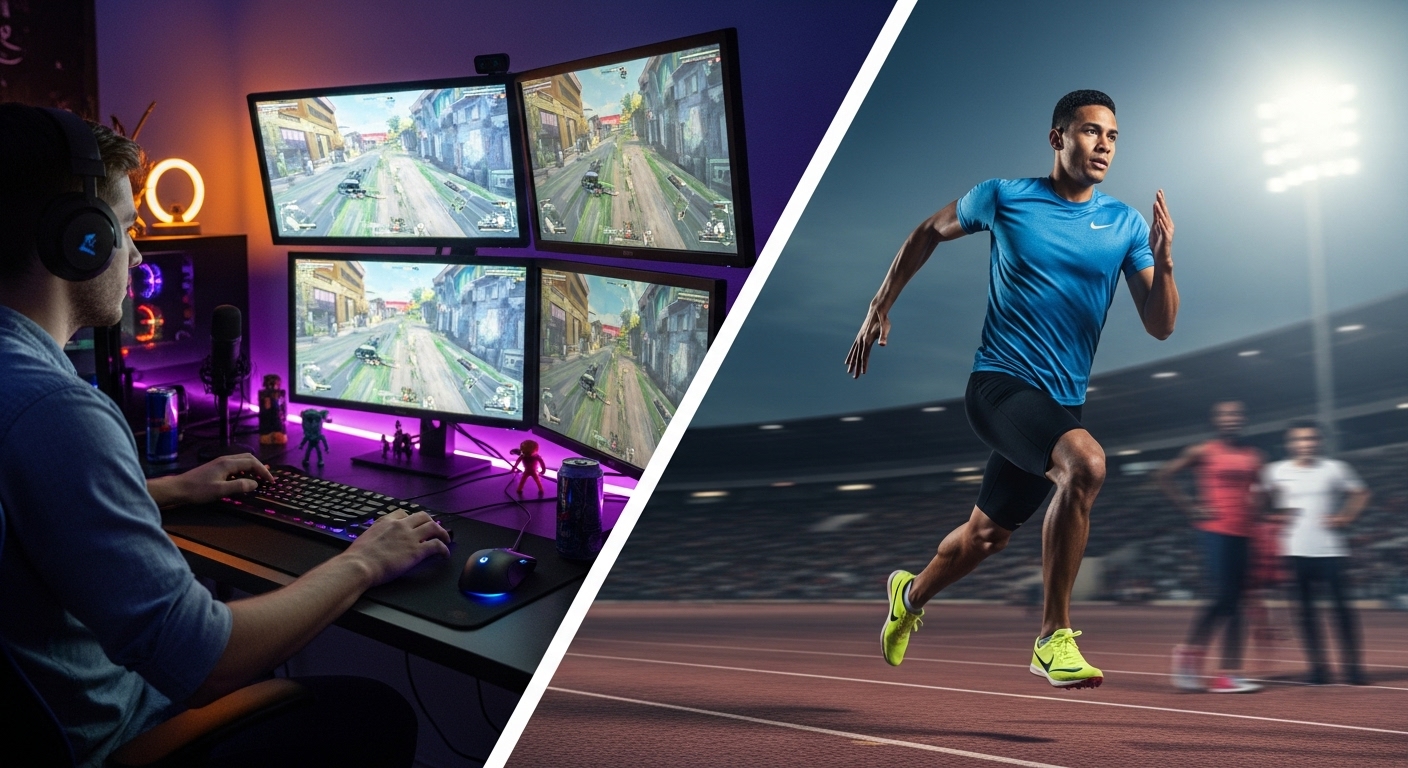
Esports, or competitive video gaming, has grown from a niche hobby into a global industry that rivals traditional sports in viewership, revenue, and cultural impact. What began as small gatherings of enthusiasts playing games in arcades and LAN parties has transformed into a massive ecosystem, encompassing professional players, international tournaments, sponsorship deals, streaming platforms, and millions of passionate fans. The rise of esports reflects not only technological advancements but also a cultural shift in how people engage with entertainment and competition.
Esports today is more than just playing video games; it is a professional pursuit, a form of storytelling, and a global entertainment medium. It combines skill, strategy, teamwork, and performance, creating experiences that captivate players and audiences alike. Its growth has been fueled by advancements in technology, internet accessibility, and the rise of online communities that connect fans around the world.
This blog explores the history, development, and cultural impact of esports. It examines the games, tournaments, professional players, streaming platforms, and the business ecosystem that have made esports a multi-billion-dollar global phenomenon.
Early Beginnings: The Birth of Competitive Gaming
The seeds of esports were planted decades ago when video games first captured the imaginations of players. In the 1970s and 1980s, arcade games such as Pong, Space Invaders, and Pac-Man introduced players to competitive gaming. High score competitions became a form of recognition, and arcades acted as informal competitive arenas. Players sought to outperform friends and strangers, laying the groundwork for organized competition.
One of the earliest notable events was the 1980 Space Invaders tournament sponsored by Atari, which drew thousands of participants and highlighted the competitive potential of video games. As home consoles and personal computers became more widespread, gaming communities grew, forming the foundation for the esports industry of the 1990s.
The Rise of PC Gaming and LAN Competitions
The 1990s marked a turning point in competitive gaming, especially on personal computers. Games like Doom, Quake, and StarCraft introduced multiplayer modes, enabling players to compete in real-time. Local Area Network (LAN) parties became social hubs where gamers connected, strategized, and showcased their skills.
StarCraft, released in 1998, was particularly significant. In South Korea, the game became a cultural phenomenon, with professional leagues and televised competitions. Players trained extensively, often for many hours a day, and sponsorships allowed them to make gaming a career. The South Korean model demonstrated that esports could be a viable professional pursuit and inspired the growth of similar infrastructures in other countries.
The Formation of Esports Leagues
The early 2000s saw the formalization of esports through leagues and organized tournaments. Games such as Counter-Strike, Warcraft III, and later League of Legends became the foundation of competitive gaming ecosystems. Esports organizations emerged to manage teams, host events, and secure sponsorships, professionalizing the industry.
Streaming platforms and online communities allowed fans to watch matches, discuss strategies, and interact with players. The accessibility of online content created a sense of engagement and community, distinguishing esports from traditional sports. Major tournaments such as the Electronic Sports World Cup and the World Cyber Games demonstrated the global appeal of esports and helped standardize competitive rules and structures.
Popular Esports Genres and Titles
Esports encompasses a variety of genres, each offering unique competitive experiences. Multiplayer Online Battle Arena (MOBA) games such as League of Legends and Dota 2 focus on strategy, teamwork, and long-term planning. First-Person Shooters (FPS) like Counter-Strike: Global Offensive and Call of Duty emphasize precision, reflexes, and tactical coordination.
Real-Time Strategy (RTS) games like StarCraft challenge players to manage resources, make strategic decisions, and execute complex maneuvers under pressure. Fighting games, racing simulators, and battle royale titles such as Fortnite also contribute to the competitive landscape. Each game attracts its own dedicated fan base and professional scene, creating a diverse ecosystem within esports.
The Globalization of Esports
Esports is now a worldwide phenomenon with thriving communities in North America, Europe, South Korea, China, and Southeast Asia. South Korea remains a leader in professional esports infrastructure, with televised leagues, dedicated training facilities, and long-established team organizations. China has invested heavily in esports arenas, tournaments, and development programs, establishing itself as a global powerhouse. North America and Europe emphasize franchised leagues, structured tournaments, and partnerships with mainstream media.
The international nature of esports allows players and teams from different countries to compete at the highest levels. Global tournaments attract millions of viewers, fostering a shared experience that transcends language, culture, and geography. The accessibility of digital platforms enables fans worldwide to engage in real-time with competitions, creating a truly global community.
Streaming Platforms and Fan Engagement
Streaming platforms like Twitch and YouTube Gaming have played a crucial role in the growth of esports. Unlike traditional sports, which rely heavily on television broadcasts, esports thrives online. Fans can watch matches live, interact with chat communities, and even learn strategies from professional players. The interactive nature of streaming enhances fan engagement and builds a sense of community.
Social media also amplifies the cultural impact of esports. Highlights, memes, and player interviews circulate widely, generating buzz and attracting new audiences. Fans can follow their favorite players’ personal lives, interact with content creators, and participate in online communities, deepening loyalty and engagement.
Professional Players and Team Dynamics
Professional esports players are athletes in their own right. They dedicate hours to practice, refine strategies, and maintain physical and mental fitness. Many teams employ coaches, analysts, and psychologists to optimize performance. Esports demands teamwork, coordination, communication, and split-second decision-making, paralleling traditional sports in complexity and intensity.
Team dynamics play a critical role in competitive success. Players must understand each other’s strengths, coordinate strategies, and maintain composure under pressure. Leadership, adaptability, and trust are essential components of professional esports teams. These qualities elevate competitive gaming from individual skill to a collaborative art form.
Tournaments and Competitive Structures
Esports tournaments range from local competitions to massive international events. High-profile tournaments such as The International for Dota 2, the League of Legends World Championship, and the Overwatch League feature multi-million-dollar prize pools and attract millions of viewers online. These events often mirror traditional sports with structured seasons, playoffs, and championship finals.
Competitive structures are designed to test skill, strategy, and adaptability. Double-elimination brackets, best-of-series formats, and point systems ensure fairness while challenging participants. Tournament production has become sophisticated, with professional casting, live commentary, and spectator-friendly viewing experiences enhancing the entertainment value.
The Business of Esports
Esports has evolved into a multi-billion-dollar industry. Revenue streams include tournament prize pools, sponsorships, advertising, merchandise, media rights, and team franchises. Brands from technology, energy drinks, apparel, and lifestyle sectors recognize the value of engaging esports audiences, which are typically young, tech-savvy, and highly engaged.
Professional teams operate like traditional sports franchises. Players sign contracts, receive salaries, and earn bonuses based on performance and sponsorship. Investors and venture capitalists see esports as a growth industry, leading to acquisitions, partnerships, and new business models. The digital nature of esports allows for direct-to-consumer engagement, bypassing traditional broadcast limitations and reaching a global audience instantly.
Cultural Impact of Esports
Esports has significantly influenced popular culture. It has created new forms of celebrity, with professional players becoming global icons. Fans engage with esports not only as spectators but also as participants, creating content, cosplay, and community projects that contribute to the culture.
Esports also challenges stereotypes about gaming. It highlights strategic thinking, discipline, and teamwork, showcasing that competitive gaming requires skills comparable to traditional athletics. The visibility of esports has inspired younger generations to pursue careers as players, coaches, content creators, and developers, broadening the career opportunities within the gaming industry.
Challenges in the Esports Industry
Despite its rapid growth, esports faces several challenges. Player burnout is a major concern, as professional gamers often train for long hours under intense pressure. Mental health, career longevity, and work-life balance are critical issues that require attention from teams and organizations.
Cheating, match-fixing, and unfair gameplay threaten the integrity of competition. Strict regulations, monitoring, and oversight are essential to maintain trust in esports tournaments. Additionally, unequal access to high-speed internet and gaming infrastructure creates disparities in participation, limiting the growth potential in certain regions.
The Future of Esports
The future of esports is bright and full of innovation. Emerging technologies such as virtual reality, cloud gaming, and augmented reality will redefine competitive experiences. Interactive spectator experiences, immersive broadcasts, and global participation will further expand the reach of esports.
Esports may continue to integrate with traditional sports, with professional teams, franchised leagues, and international tournaments solidifying its legitimacy. Investment in infrastructure, coaching, and talent development will support long-term growth. Cultural influence will continue to expand, with esports shaping entertainment, media, and youth culture while fostering global connectivity.
Conclusion
Esports has transformed from a niche hobby into a global phenomenon with professional players, international tournaments, and millions of fans worldwide. Its rise reflects the convergence of technology, culture, and human creativity. Competitive gaming is no longer a pastime; it is a professional pursuit, an entertainment medium, and a cultural force.
The growth of streaming platforms, social media, and international tournaments has created a dynamic ecosystem that engages players and fans alike. Esports showcases skill, teamwork, strategy, and mental fortitude, proving that competitive gaming deserves recognition alongside traditional sports.
As technology advances and global interest continues to expand, esports will remain at the forefront of digital entertainment. Its combination of competition, community, and storytelling ensures that it will captivate audiences for generations to come.
Esports is no longer just a game; it is a global stage, a cultural phenomenon, and a testament to the evolving nature of entertainment in the digital age.