
Introduction: From Basement Games to Global Arenas
In just a few decades, Esports has evolved from a niche pastime into a worldwide entertainment powerhouse. What once began as casual gaming sessions among friends has transformed into a billion-dollar industry that fills stadiums, draws millions of online viewers, and turns professional players into celebrities. This evolution reflects not only the technological progress of gaming but also the shifting cultural perception of what competition can mean in the digital age.
Esports—short for “electronic sports”—refers to organized, competitive video gaming, where individuals or teams compete in popular titles like League of Legends, Dota 2, Counter-Strike, Fortnite, and many others. The phenomenon has blurred the boundaries between virtual entertainment and traditional sports, and it continues to reshape the global entertainment landscape.
The Origins: The Early Days of Competitive Gaming
The story of Esports began long before streaming platforms or global tournaments. The earliest known competitive gaming event dates back to 1972 at Stanford University, where students played Spacewar! in a small-scale competition. The prize? A year’s subscription to Rolling Stone magazine. Though modest by today’s standards, this moment marked the beginning of something revolutionary.
By the 1980s, arcade culture became the hub of competitive gaming. Titles such as Pac-Man, Donkey Kong, and Space Invaders defined an era. Players fought to have their names immortalized on leaderboards, and soon, televised events like Starcade brought gaming competition to early audiences. The idea that gaming could be a spectator sport had taken root.
The 1990s expanded this foundation. The rise of home consoles and personal computers made multiplayer gaming more accessible. Games like Street Fighter II and Quake built communities of competitive players. LAN parties became the battlegrounds for early tournaments, and events like the Cyberathlete Professional League (CPL) and World Cyber Games (WCG) laid the groundwork for the Esports infrastructure we see today.
The Internet Revolution: How Connectivity Changed Everything
The late 1990s and early 2000s marked a technological turning point. Broadband internet transformed how players interacted with each other. No longer limited by physical proximity, gamers could now compete globally. Online multiplayer games such as Counter-Strike, StarCraft, and Warcraft III became the breeding ground for early professional Esports teams.
The accessibility of online gaming also attracted sponsorships, partnerships, and investors who began to see commercial potential in the industry. Platforms like Battle.net and Steam standardized matchmaking and tournaments. Esports began to develop structured leagues, ranking systems, and even coaches—mirroring traditional sports models.
At the same time, internet cafés and local gaming hubs became social centers for aspiring professionals. For many, these spaces were where talent met opportunity. The global network effect accelerated growth, making Esports not just a hobby, but a career path for a dedicated few.
The Emergence of Major Titles: Defining the Competitive Scene
As the industry matured, certain titles became synonymous with competitive gaming. Each era brought its own defining games—each with unique mechanics, fan bases, and global reach.
1. StarCraft and the Birth of Professional Esports in Korea
No discussion of Esports history is complete without mentioning South Korea. In the early 2000s, StarCraft: Brood War became a national obsession. Professional players like Lim “BoxeR” Yo-hwan achieved celebrity status, televised matches drew millions of viewers, and the government recognized Esports as an official sporting activity. South Korea became the blueprint for professional gaming culture.
2. Counter-Strike and Tactical Team Play
First-person shooters found their champion in Counter-Strike. The game’s tactical, team-based nature made it perfect for spectators. Teams like Ninjas in Pyjamas, Fnatic, and Astralis became household names, while major tournaments such as ESL One and DreamHack transformed the FPS genre into a thriving Esports ecosystem.
3. League of Legends and the Age of Global Esports
In 2009, League of Legends by Riot Games reshaped the competitive landscape. With free access, regular updates, and an intuitive gameplay loop, it drew millions of players. Riot’s dedication to structured tournaments—culminating in the League of Legends World Championship—established a sustainable Esports model supported by franchising, media rights, and merchandising.
4. Dota 2 and the Power of Community
Valve’s Dota 2 became another cornerstone of modern Esports. The annual International tournament boasts prize pools exceeding tens of millions of dollars, thanks to player-funded crowdfunding through in-game purchases. It exemplified how community engagement could directly sustain and grow the competitive ecosystem.
5. The Rise of Battle Royale and Mobile Esports
Games like Fortnite, PUBG, and Free Fire introduced a new kind of competition that was more accessible and fast-paced. The mobile gaming revolution further expanded Esports’ reach to emerging markets, making competitive gaming more inclusive and global than ever before.
The Spectator Experience: From Screens to Stadiums
Esports succeeded where many doubted: turning digital play into a compelling spectator experience. The rise of streaming platforms such as Twitch and YouTube Gaming allowed fans to engage directly with their favorite players and teams. What was once a private activity became a social phenomenon.
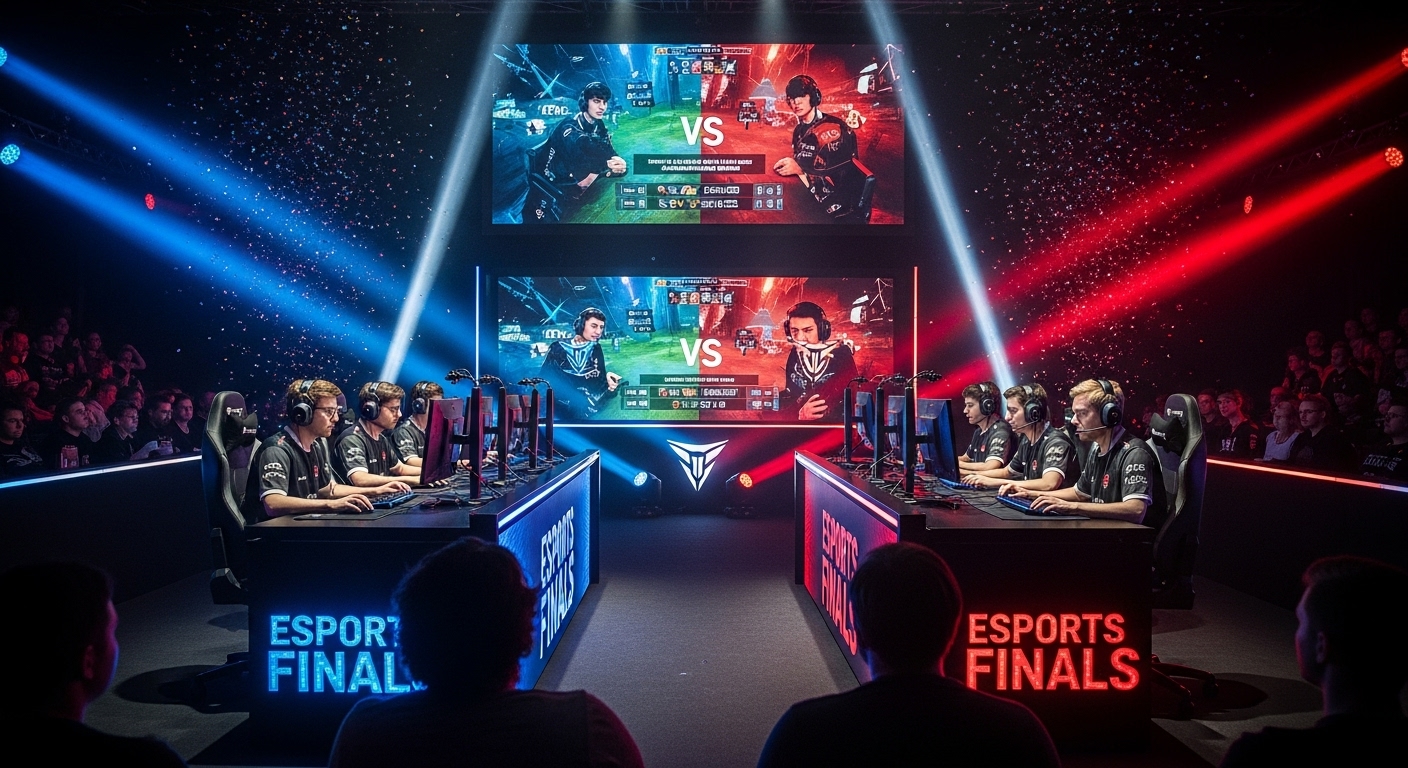
Massive events now fill entire arenas—the League of Legends Worlds, The International, and Overwatch League Finals rival traditional sports events in both production and attendance. Massive LED screens, live commentary, and roaring crowds create an atmosphere that rivals any championship match in football or basketball.
The global accessibility of streams has also democratized the fan experience. Whether you’re in Seoul, São Paulo, or Stockholm, you can watch the same match live and interact with the global community. This real-time engagement is one of Esports’ strongest cultural pillars.
The Business of Esports: A Billion-Dollar Industry
Esports today represents a rapidly expanding segment of the global entertainment market. According to various industry analyses, it has surpassed the billion-dollar mark in annual revenue, with growth fueled by sponsorships, advertising, media rights, and merchandise.
1. Sponsorships and Brand Partnerships
Corporations such as Intel, Red Bull, and Adidas have embraced Esports as a key marketing platform. Sponsorships are now central to team funding, event organization, and even player training facilities. Brands target the highly coveted 18–34 demographic that Esports commands.
2. Franchising and Team Ownership
Major leagues have adopted franchising models similar to traditional sports. This provides stability and long-term investment opportunities. Teams like Cloud9, T1, and Team Liquid have diversified portfolios, operating across multiple games while building recognizable global brands.
3. Streaming and Media Rights
Just as traditional sports sell broadcasting rights, Esports leagues now negotiate deals with streaming platforms and TV networks. This legitimizes Esports as a media product and opens revenue streams comparable to other major entertainment sectors.
4. Merchandising and Fan Engagement
Team-branded apparel, peripherals, and collectibles generate millions in additional income. Esports fans often see their favorite teams as lifestyle brands, further blurring the line between fandom and identity.
The Players: Modern-Day Digital Athletes
The term “gamer” no longer implies casual hobbyists. Professional Esports athletes train for hours daily, follow strict fitness and mental health regimens, and adhere to disciplined strategies designed by coaches and analysts. Teams hire nutritionists, sports psychologists, and data analysts to optimize player performance.
The pressure is immense. Players compete in high-stakes tournaments, often under global scrutiny. While the average career span can be shorter than traditional athletes due to burnout or repetitive strain, the level of dedication and professionalism rivals that of Olympic competitors.
Top players now earn salaries, endorsements, and streaming revenues that can reach seven figures annually. Their influence extends beyond the virtual arena—they are cultural icons shaping fashion, music, and digital trends.
The Globalization of Esports: Breaking Geographic Barriers
Esports is not bound by geography. It thrives on global connectivity and shared passion. Regional leagues and tournaments exist in nearly every continent, from the LCS in North America to the LPL in China, the LEC in Europe, and the LCK in Korea. Each region has its unique playstyle, fan culture, and production identity.
Emerging regions like Southeast Asia, the Middle East, and South America are also making their mark. Mobile Esports, in particular, has accelerated growth in countries like India, Brazil, and Indonesia, where mobile accessibility has made competitive gaming a mainstream pursuit.
Esports’ inclusivity and diversity set it apart from traditional sports. Language barriers dissolve in the face of universal gameplay mechanics. A match’s drama, strategy, and excitement transcend borders, creating one of the most interconnected fanbases in the world.
Education and Esports: New Frontiers for Learning
The influence of Esports extends beyond entertainment—it’s entering academia. Universities across the globe now offer scholarships, degree programs, and research opportunities centered on gaming and Esports management. Schools use Esports to teach teamwork, strategy, leadership, and digital literacy.
STEM education programs integrate gaming as a gateway to technology and programming. Students not only play but also learn the mechanics of game design, coding, and broadcast production. Esports has become a powerful educational tool bridging creativity and technology.
Challenges in Esports: The Roadblocks Ahead
Despite its success, Esports faces significant challenges that threaten its stability and long-term growth.
1. Player Burnout and Mental Health
The intense competition and relentless training schedules often lead to mental exhaustion. Players as young as sixteen are thrust into high-pressure environments with global scrutiny. Organizations are beginning to address this with better wellness programs, but there’s still a long way to go.
2. Regulation and Governance
Unlike traditional sports governed by established bodies like FIFA or the IOC, Esports lacks unified global regulation. Different publishers control their own ecosystems, leading to inconsistent rules and standards. The industry needs collaborative governance to ensure fairness and integrity.
3. Cheating and Integrity Issues
From match-fixing to hacking, Esports has battled integrity issues that undermine credibility. Anti-cheat technologies and transparent disciplinary systems are essential for maintaining public trust.
4. Gender and Diversity Gaps
While Esports has made progress, female and non-binary players still face barriers such as harassment and underrepresentation. Initiatives promoting inclusivity are growing, but equality remains an ongoing challenge.
5. Sustainability and Career Longevity
As the industry matures, it must balance profitability with player welfare, environmental sustainability in large-scale events, and ethical sponsorships. True longevity depends on building a healthy ecosystem for all participants.
The Future of Esports: Beyond the Screen
Esports’ trajectory shows no signs of slowing down. As technology evolves, new frontiers are opening that could redefine what competition looks like.
1. Virtual Reality and Immersive Gaming
VR and AR technology promise to merge physical and digital experiences, creating more interactive forms of competitive gaming. Viewers might one day step virtually onto the stage alongside players, making spectating an immersive event.
2. AI and Data Analytics
AI-driven performance analytics will revolutionize how teams strategize. Predictive tools can track player tendencies, optimize compositions, and simulate matches—enhancing both performance and viewer experience.
3. Cross-Media Integration
The intersection of Esports with film, music, and fashion continues to blur lines between gaming and mainstream culture. Esports stars are already collaborating with pop artists, streaming shows, and appearing in documentaries.
4. Global Recognition and the Olympics
Discussions around Esports entering the Olympic Games are ongoing. While debates continue about its classification as a sport, it’s undeniable that Esports embodies the same competitive spirit and global unity that define traditional athletics.
Cultural Impact: How Esports Redefined Modern Identity
Esports isn’t just about games—it’s a reflection of how digital culture has reshaped identity, community, and entertainment. It bridges generations, merging nostalgia from classic gaming with cutting-edge technology. It also empowers youth culture, giving them a space to express skill, creativity, and teamwork.
Streaming personalities, shoutcasters, and content creators further amplify this culture. They turn competitive gaming into storytelling—complete with heroes, villains, rivalries, and redemption arcs. The narratives surrounding Esports are as engaging as any cinematic universe.
Conclusion: The Digital Colosseum of the 21st Century
Esports stands as one of the defining phenomena of the 21st century—a digital colosseum where millions gather not to watch gladiators, but gamers. It embodies the fusion of human creativity, technology, and competition. From the dimly lit arcades of the 1980s to dazzling stadiums filled with thousands of fans, Esports represents a generational shift in how we define play, passion, and performance.
The future of Esports is not just about faster processors or better graphics. It’s about the communities, stories, and connections built through shared experiences. In this ever-expanding universe of pixels and passion, Esports continues to prove one simple truth: competition knows no boundaries, and the spirit of play is timeless.