Introduction: Understanding the Esports Phenomenon
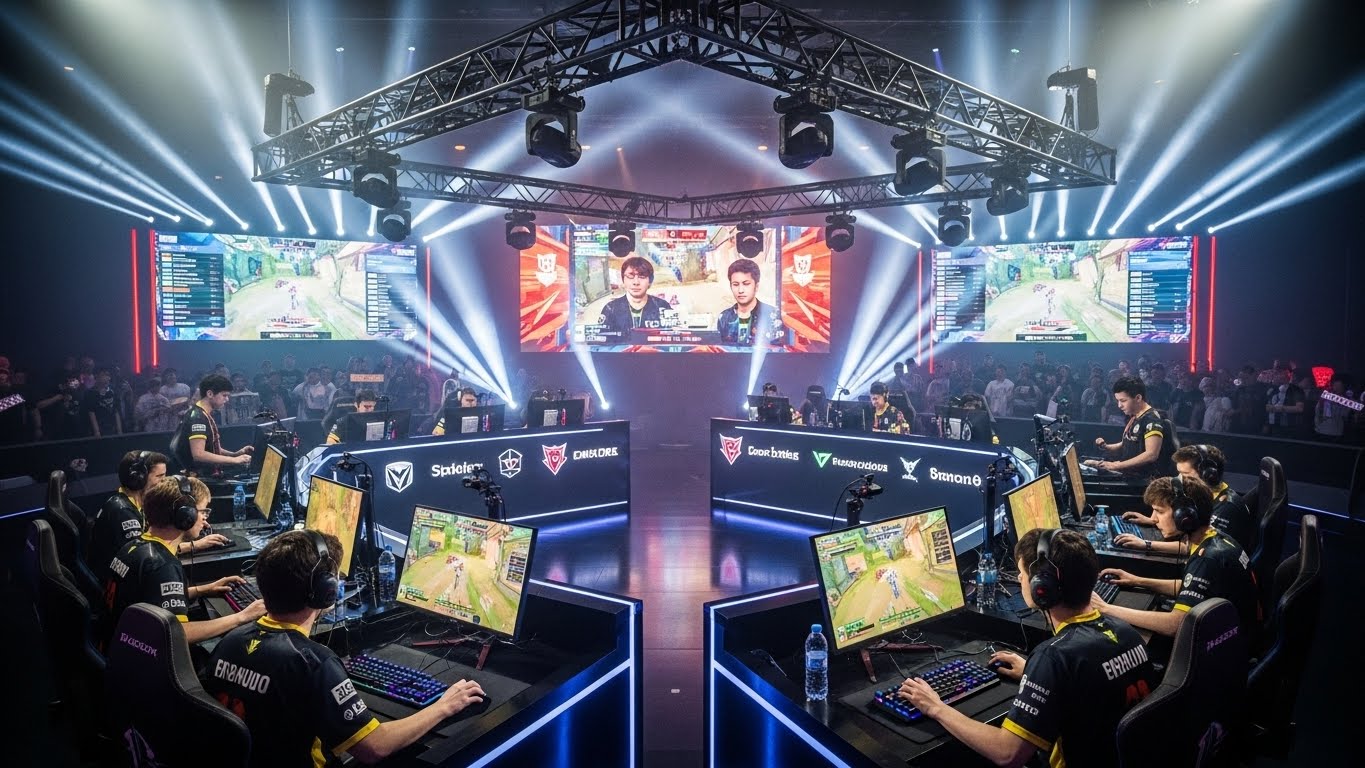
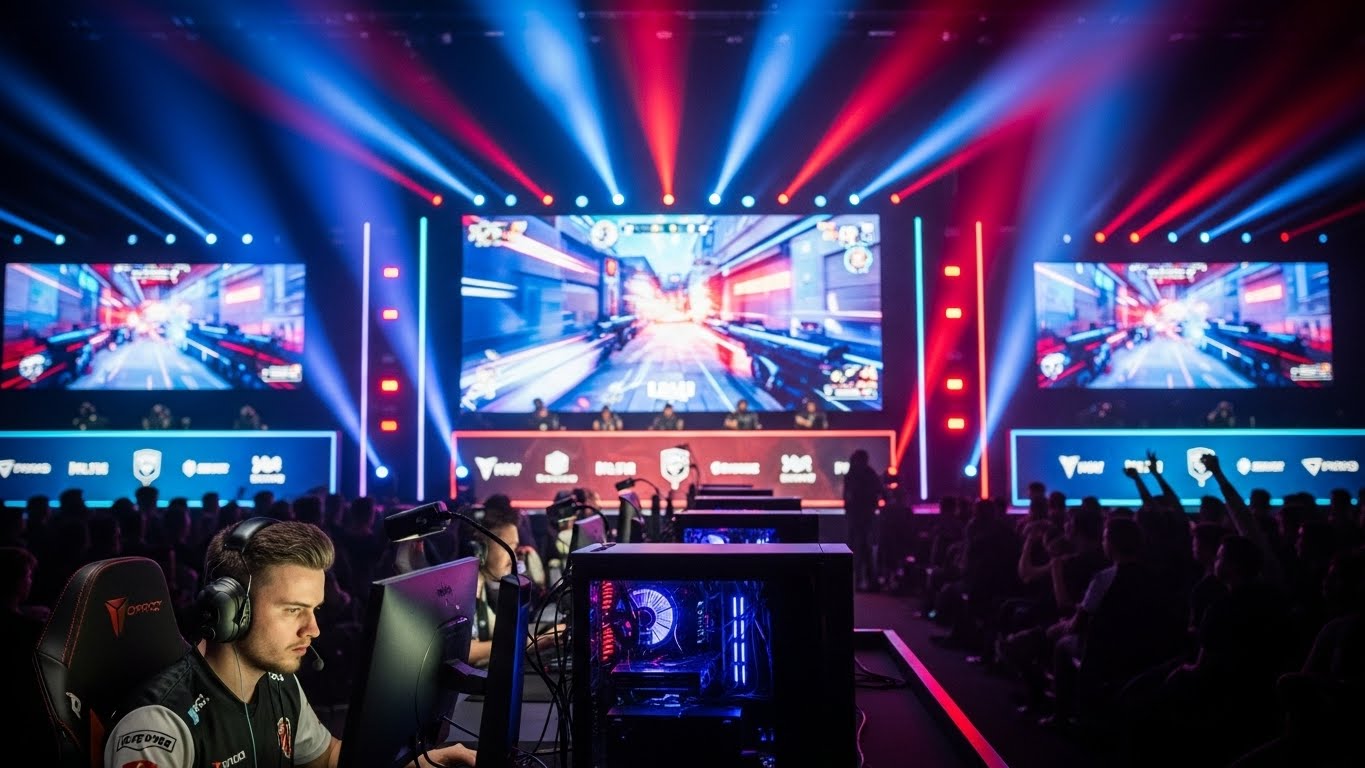
Esports, or electronic sports, has emerged as a groundbreaking form of competition in the digital age. Once considered a niche hobby, esports now attracts millions of players and fans worldwide. It represents the intersection of technology, strategy, skill, and entertainment. Competitive gaming goes beyond mere leisure, demanding mental acuity, teamwork, and physical coordination, especially in high-stakes tournaments. The rise of esports illustrates how the digital world is redefining traditional concepts of competition, community, and career opportunities. This blog explores the evolution, significance, and future of esports, highlighting its impact on culture, society, and the economy.
The Evolution of Esports
The journey of esports began decades ago, tracing back to early arcade competitions in the 1970s and 1980s. Games such as Space Invaders and Pac-Man were among the first to host competitive events. In the 1990s, the rise of online multiplayer games like StarCraft and Counter-Strike allowed players to compete globally, marking the beginning of organized esports. By the 2000s, esports leagues and professional teams began to emerge, transforming casual gaming into a structured, competitive industry. Today, esports encompasses various genres, including first-person shooters, real-time strategy, battle royale, and multiplayer online battle arenas, each with dedicated fan bases and professional circuits.
Cognitive and Mental Benefits of Esports
Esports is not only a form of entertainment; it provides significant cognitive and mental benefits. Competitive gaming enhances strategic thinking, problem-solving, and decision-making skills. Players learn to analyze situations quickly, adapt strategies in real-time, and anticipate opponents’ moves. Esports also improves memory, attention span, and multitasking abilities. Mental resilience is crucial in high-pressure matches, teaching players to cope with stress, setbacks, and critical moments. These benefits highlight that esports requires intense mental discipline, making it comparable to traditional sports in fostering cognitive development.
Teamwork and Communication in Esports
Many esports titles, particularly team-based games, emphasize coordination, communication, and collaboration. Players must work together to achieve objectives, assign roles, and execute complex strategies. Effective teamwork ensures that each member contributes optimally while minimizing mistakes. Communication skills developed through esports are transferable to professional and personal contexts, enhancing leadership and interpersonal abilities. Additionally, esports promotes inclusivity, bringing together players from diverse backgrounds and cultures. By fostering collaboration and understanding, esports builds a sense of community both within teams and among global fan bases.
Esports as a Career Path
The professionalization of esports has created legitimate career opportunities. Players can earn substantial income through tournament winnings, team contracts, sponsorships, and streaming platforms. Top-level esports tournaments offer prize pools that rival traditional sports events, highlighting the industry’s financial potential. Beyond playing, careers in esports include coaching, analysis, event management, broadcasting, and content creation. Influencers and streamers build personal brands that generate additional revenue. The expansion of esports as a career underscores that gaming is no longer a casual pastime but a viable profession requiring skill, dedication, and strategy.
Social Impact and Community Engagement
Esports has transformed social interaction in the digital age. Online communities allow players to connect with like-minded individuals, fostering friendships and collaboration across geographic boundaries. Esports also provides a platform for social engagement, as fans come together to watch tournaments, discuss strategies, and celebrate achievements. Competitive gaming challenges the stereotype of gaming as isolating or unproductive, demonstrating its ability to cultivate teamwork, communication, and social cohesion. Esports events, both virtual and live, create shared experiences that unite participants and spectators, reinforcing a global sense of community.
Economic Significance of Esports
The esports industry has become a powerful economic driver, generating billions of dollars annually. Revenue streams include sponsorships, advertising, ticket sales, merchandise, and media rights. Companies invest in esports to reach younger, digitally connected audiences, while organizations operate as professional franchises managing players, marketing, and events. Streaming platforms create additional economic opportunities for players and content creators. Grassroots esports programs also stimulate local economies by encouraging participation and creating jobs in coaching, event management, and production. The financial ecosystem of esports highlights its substantial influence on modern entertainment and business.
Technological Advancements Driving Esports
Technology has been central to the rise of esports. High-performance gaming equipment, fast internet connectivity, and advanced software enable competitive gameplay at professional levels. Performance analytics track player actions, optimize strategies, and study opponents. Virtual reality and augmented reality are beginning to provide immersive experiences, while streaming platforms allow millions of fans to watch matches live, fostering engagement. Technological innovation ensures that esports remains dynamic, accessible, and continuously evolving, bridging the gap between players and global audiences.
Esports in Education
Educational institutions increasingly recognize esports as a tool for skill development and career preparation. High schools and universities offer esports programs that teach teamwork, leadership, and strategic thinking. Colleges provide scholarships for talented players, similar to traditional sports. Participation in esports also enhances digital literacy, problem-solving abilities, and time management skills. By integrating esports into academic settings, institutions prepare students for potential careers in gaming, technology, and related fields, demonstrating the value of esports as an educational and professional platform.
Global Popularity and Cultural Influence
Esports has a worldwide following, with strong markets in North America, Europe, and Asia. Countries like South Korea, China, and the United States are at the forefront, hosting international tournaments and producing elite players. The universal appeal of esports transcends language, culture, and geography, creating a shared entertainment experience that unites diverse communities. Global events attract millions of viewers online and in stadiums, highlighting esports’ influence on modern entertainment and youth culture. Its widespread popularity illustrates how digital gaming has become a central aspect of contemporary global culture.
Challenges Facing Esports
Despite its rapid growth, esports faces challenges. Player burnout, mental fatigue, and physical strain are common among professional competitors. Concerns about addiction, excessive screen time, and online toxicity must be addressed to ensure the health of participants. The industry also faces issues related to regulation, fairness, and career stability. Cultural skepticism in some regions still questions the legitimacy of esports as a sport or career path. Overcoming these challenges is critical for sustaining the long-term growth, credibility, and social acceptance of esports globally.
The Future of Esports
The future of esports is promising, with continued expansion into new markets and technological advancements. Emerging platforms like virtual reality and cloud gaming will enhance accessibility and immersion. Esports is expected to integrate further with education, offering scholarships and structured programs to nurture talent. Sponsorship and media investments will continue to professionalize the industry. Socially, esports will promote diversity, inclusion, and global collaboration. The ongoing evolution of esports ensures that it will remain a dynamic and influential component of digital culture, entertainment, and competition.
Conclusion: Esports as a Transformative Force
Esports has evolved from casual gaming into a cultural, economic, and social powerhouse. It combines strategy, skill, and mental endurance while providing significant cognitive, social, and career benefits. Esports fosters teamwork, communication, and resilience, creating a global community of players and fans. The industry drives economic growth, technological innovation, and educational opportunities. Beyond entertainment, esports reflects the changing nature of competition, professional development, and digital interaction in the modern era. Embracing esports is not merely about gaming; it is about recognizing the transformative impact of competitive digital experiences on society, culture, and human potential.