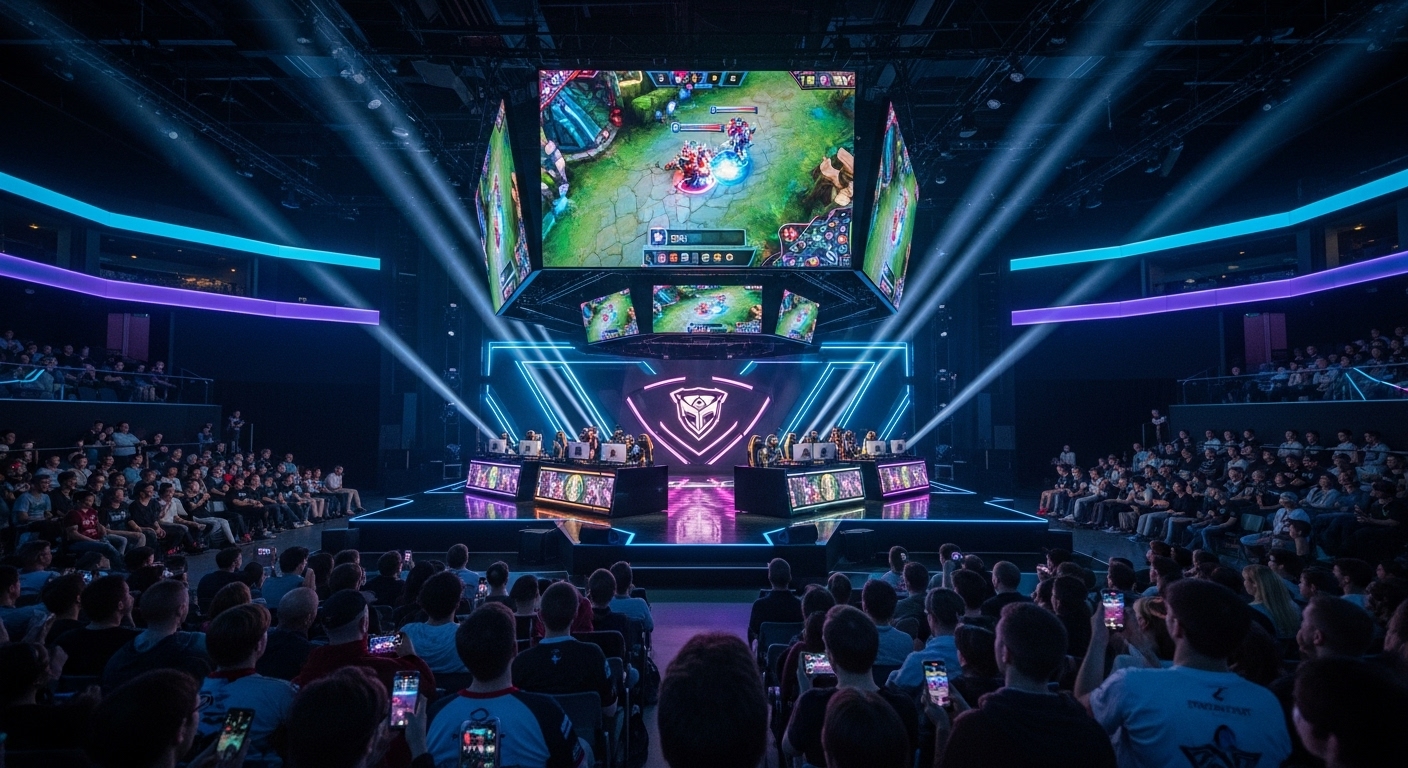

eSports is no longer just a niche hobby for a select group of enthusiasts; it has transformed into a global phenomenon that has redefined the way people view gaming and competition. With millions of fans worldwide, eSports has evolved into a highly lucrative industry, combining athleticism, skill, and entertainment in ways that few could have imagined a decade ago. This blog explores the explosive rise of eSports, its impact on the gaming world, and its potential to shape the future of entertainment and sports as a whole.
What is eSports?
At its core, eSports refers to organized multiplayer video game competitions, particularly between professional players, individually or as teams. These events can range from local tournaments to massive international championships, with games like League of Legends, Dota 2, Counter-Strike, and Fortnite taking center stage. Players compete at the highest level for significant monetary rewards, sponsorships, and worldwide recognition.
eSports has its roots in the early days of online gaming, where players competed in informal settings. However, with advancements in technology, the rise of streaming platforms like Twitch, and the increased accessibility of high-speed internet, eSports has flourished into a billion-dollar industry.
The Evolution of eSports
The history of eSports dates back to the 1990s when competitive gaming began gaining traction. The first significant eSports tournament, the Red Annihilation tournament in 1997, attracted players from around the globe to compete in Quake, one of the earliest competitive first-person shooters. As the years passed, the gaming community grew, and more tournaments started to form around popular games.
The 2000s saw the rise of online platforms such as Battle.net (for StarCraft and Warcraft), where players could compete in ladder matches, and later in large-scale tournaments. In 2010, eSports gained serious traction with the emergence of League of Legends, which sparked the growth of major regional leagues and global competitions like the League of Legends World Championship. As gaming became more mainstream, broadcasting platforms like Twitch and YouTube allowed fans to watch their favorite players and teams in real time, further propelling the eSports ecosystem.
Today, eSports includes a variety of game genres, including real-time strategy (RTS), first-person shooters (FPS), multiplayer online battle arena (MOBA) games, and battle royale formats. The industry has grown to include not only players and fans but also a robust network of coaches, analysts, event organizers, and broadcasters.
The eSports Industry: A Booming Business
eSports is no longer just a hobby or a form of entertainment; it has become a massive, global industry worth billions of dollars. In 2021, the global eSports market was valued at over $1 billion, with projections of continued growth in the years to come. This surge in popularity can be attributed to several key factors, including the increasing visibility of eSports through mainstream media, sponsorships from big brands, and the rise of digital streaming platforms.
Monetization in eSports comes from various sources, including sponsorships, advertising, media rights, ticket sales, merchandise, and, of course, prize money from tournaments. Sponsorship deals, in particular, have been crucial to the industry’s growth, with companies ranging from tech giants like Intel and Samsung to non-endemic brands like Coca-Cola and Red Bull getting involved. These sponsorships not only provide financial backing for tournaments and teams but also help elevate the profile of the sport.
Streaming platforms like Twitch and YouTube have been vital in making eSports more accessible to viewers worldwide. These platforms have created a space where fans can watch tournaments live, follow their favorite teams, and interact with players and commentators. With the rise of content creators and streamers, some of the biggest names in eSports are now recognizable beyond gaming circles, becoming celebrities in their own right.
The Players: eSports Athletes
Professional eSports players are no different from traditional athletes in terms of the commitment, skill, and mental fortitude required to succeed. To reach the highest levels of eSports, players must dedicate countless hours to practice, refine their strategies, and work with their teams to build synergy. Many professional gamers start their careers at a young age, often spending up to 12 hours a day training and competing in online tournaments.
Mental agility is one of the key attributes that sets top eSports players apart. Unlike traditional sports, where physical endurance is key, eSports players need to have sharp reflexes, quick decision-making skills, and the ability to remain calm under pressure. The cognitive demands are high, and just like in chess, strategy plays a critical role in success.
The life of a professional gamer, however, is not without its challenges. Due to the intense competition, burnout is a real issue, and players often face physical strain from long hours of sitting, as well as psychological pressure. Many organizations now employ coaches, psychologists, and analysts to help players optimize their performance and maintain their mental health.
The Fans and Global Audience
One of the driving forces behind the success of eSports is its incredibly dedicated and passionate fanbase. eSports fans come from all walks of life, and they form tight-knit communities around their favorite teams, players, and games. These fans support their teams not only by watching tournaments but also by purchasing merchandise, attending live events, and contributing to crowdfunding efforts for tournaments.
eSports tournaments have grown into huge spectacles that draw in massive audiences both in-person and online. Events like the League of Legends World Championship, The International (Dota 2), and Fortnite World Cup regularly attract millions of viewers worldwide. Many of these events fill entire arenas, with live audiences numbering in the tens of thousands. Additionally, the accessibility of live streams means that fans can watch from the comfort of their homes, with global reach transcending time zones and geographic boundaries.
Social media platforms have also played a major role in fostering fan engagement. Fans can follow their favorite players and teams on Twitter, Instagram, and YouTube, keeping up with behind-the-scenes content, interviews, and personal insights from players. This digital connection has created an unprecedented level of fan interaction and has made eSports more integrated into mainstream entertainment culture.
The Cultural Impact of eSports
eSports has begun to have a significant cultural impact beyond just the gaming world. It is reshaping how we perceive competitive play, teamwork, and the concept of being a “professional athlete.” The idea of gaming being a legitimate career path is becoming increasingly accepted, with universities and colleges now offering scholarships and degrees in eSports management and game design.
In some countries, eSports is even recognized as a professional sport by governments. South Korea, for instance, has long been at the forefront of eSports culture, with professional gamers receiving the same level of respect and recognition as traditional athletes. The global acceptance of eSports is also pushing boundaries in traditional sports broadcasting, with networks like ESPN airing eSports events and recognizing them as legitimate forms of competitive entertainment.
Challenges and Controversies in eSports
While the rise of eSports has been nothing short of remarkable, it is not without its challenges and controversies. One of the main issues facing the industry is the lack of regulation in some areas, particularly with regard to cheating, match-fixing, and doping. The rapid growth of eSports has outpaced the establishment of robust governance structures, and issues like these threaten to tarnish the sport’s reputation.
Another ongoing challenge is the representation of women in eSports. The industry has historically been male-dominated, with many women facing harassment and discrimination both in tournaments and within the broader gaming community. However, there is a growing movement toward inclusivity, with organizations and initiatives working to create safe spaces for women and promote gender equality in eSports.
The Future of eSports
The future of eSports looks bright, with continued growth and expansion on the horizon. Virtual reality (VR) and augmented reality (AR) are expected to play significant roles in shaping the next generation of eSports experiences, providing even more immersive environments for both players and fans. New game genres are also emerging, creating fresh opportunities for competition and innovation.
Moreover, the increasing integration of traditional sports organizations into the eSports world is likely to continue. Partnerships with brands like the NBA, NFL, and Formula 1 have already opened the door for further cross-industry collaboration, with traditional sports leagues creating their own eSports teams and tournaments.
Conclusion
eSports has firmly established itself as a global powerhouse, blending entertainment, competition, and skill in a way that resonates with millions of fans worldwide. The industry’s meteoric rise is a testament to the passion, dedication, and innovation of the players, teams, and organizations that have helped shape it. While challenges remain, the future of eSports holds endless possibilities for growth, both as a form of entertainment and as a professional career.
As eSports continues to evolve, its influence will only become more widespread, reshaping the way we think about sports and gaming. Whether you are a player, a fan, or someone who simply enjoys watching the competition unfold, it’s clear that eSports is here to stay, and it will continue to revolutionize the entertainment industry for years to come.