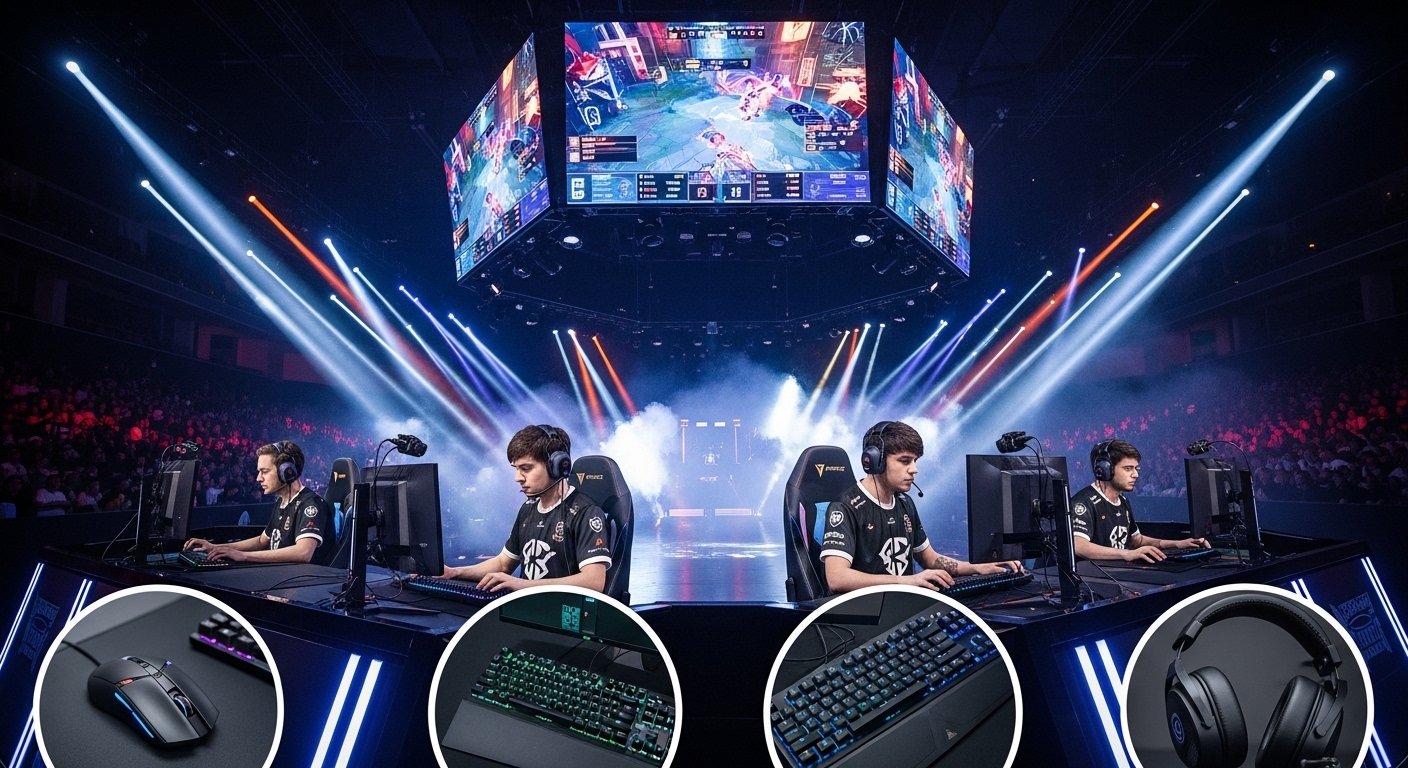

Introduction: The Birth and Rise of Esports
Esports, once a niche activity reserved for a small group of gamers, has exploded into a global phenomenon over the last decade. Competitive gaming, often dismissed in the past as a hobby, is now a legitimate industry valued in the billions. Esports events regularly fill arenas, attract millions of viewers worldwide, and generate substantial revenues through sponsorships, advertising, and merchandise. The rise of esports has forever changed the landscape of entertainment, blending video games with sports, creating a cultural and economic force that is impossible to ignore. This blog explores how esports has evolved, the factors driving its rapid growth, and the impact it has on players, audiences, and the global economy.
The Evolution of Esports: From Casual Competitions to Global Tournaments
Early Beginnings: The Roots of Competitive Gaming
The concept of competitive gaming dates back to the early days of video games in the 1970s. The first known video game tournament was held in 1972 for the game Space Invaders, and it laid the groundwork for what would eventually become esports. However, it wasn’t until the late 1990s and early 2000s that esports began to gain real traction, driven by the popularity of games like StarCraft and Quake. These early games sparked competitive tournaments, where players could compete against each other for cash prizes and recognition.
The arrival of broadband internet in the early 2000s was a pivotal moment for esports, enabling players to compete in online tournaments from the comfort of their own homes. This shift from localized, LAN-based (Local Area Network) events to global online competitions expanded the reach of esports and attracted a new generation of players and fans.
The Birth of Professional Leagues and Global Competitions
As esports continued to gain popularity, professional leagues and global tournaments started to take shape. Games like League of Legends and Dota 2 helped elevate esports to new heights by offering massive prize pools and attracting top-tier players from around the world. The League of Legends World Championship, for example, regularly attracts millions of viewers globally, rivaling the viewership of traditional sports events.
The development of esports-specific platforms like Twitch, which allowed gamers to stream their gameplay to a live audience, further fueled the industry’s growth. With streaming, players could build massive followings, and fans could engage with their favorite gamers in real-time. The rise of esports was no longer limited to tournaments and competitions; it became a lifestyle, a career path, and a cultural movement.
The Professional Esports Ecosystem: A Multi-Billion Dollar Industry
Players: The Athletes of the Digital Arena
Just like traditional sports, esports has evolved into a profession that requires intense dedication and skill. Professional players train for hours every day, developing their gameplay, improving their strategies, and building chemistry with their teammates. Esports athletes often start at a young age and compete in multiple tournaments and leagues to build their careers. In many ways, their journey mirrors that of traditional athletes, requiring similar sacrifices and commitment.
Becoming a professional esports player isn’t just about raw gaming talent; it also requires a deep understanding of game mechanics, mental fortitude, and teamwork. Esports athletes must be able to perform under pressure, as many competitions take place in front of large live audiences or via online streams, where thousands or even millions of viewers are watching their every move.
Teams and Organizations: Behind the Scenes of Competitive Gaming
Just as in traditional sports, professional esports teams are made up of players, coaches, analysts, and support staff. Teams are often backed by major brands and sponsors, who invest heavily in talent recruitment, training facilities, and marketing. Teams compete in a variety of game titles, from League of Legends and Overwatch to Fortnite and Valorant, and the most successful organizations attract significant investment from global corporations, solidifying their place in the industry.
These organizations provide more than just the resources needed to compete; they also help players develop their personal brand. A strong personal brand is crucial in esports, as it helps players attract sponsorships, partnerships, and fans. This allows players to earn money through various channels, including prize money, sponsorships, streaming revenue, and merchandise sales.
The Role of Streaming: Connecting Fans and Players
Streaming platforms such as Twitch and YouTube Gaming have been instrumental in the rise of esports. These platforms allow players to broadcast their gameplay, interact with fans, and monetize their content. The advent of live streaming has made it possible for anyone with an internet connection to follow their favorite players, learn new strategies, or simply enjoy the entertainment value of watching esports competitions.
Many top-tier players earn a significant portion of their income from streaming, with some even surpassing tournament winnings. Streaming allows players to connect with their audiences on a personal level, creating a sense of community and fan loyalty that is essential to the growth of esports as a mainstream entertainment industry.
The Cultural Impact of Esports: Shaping Society’s View of Gaming
Challenging the Stigma of Gaming
Esports has played a significant role in challenging the negative stereotypes traditionally associated with gaming. In the past, video games were often viewed as a solitary, unproductive activity. However, esports has transformed gaming into a legitimate and respected pursuit, much like traditional sports. Esports players are now recognized as athletes, and their skills are celebrated in the same way as those of professional football, basketball, or soccer players.
This shift in perception has led to greater acceptance of gaming culture. Universities and colleges now offer scholarships for esports players, and many institutions have even established dedicated esports programs. As a result, gaming is no longer seen as a waste of time but as a potential career path for talented individuals.
The Rise of Esports Fans and Communities
Esports has fostered the growth of vibrant, global fan communities. Fans of specific teams, players, or games regularly engage with each other on platforms like Discord, Reddit, and social media. These communities provide a space for fans to share their passion, discuss strategies, and support their favorite players. Events like the League of Legends World Championship or The International for Dota 2 attract millions of viewers from all over the world, with fans eagerly tuning in to watch the best players compete for glory and large prize pools.
Esports has not only changed the way people interact with video games, but it has also created a new form of social connection. Fans are no longer just spectators; they are active participants in a global cultural movement that spans across borders and time zones.
The Economic Impact of Esports: A Growing Industry
Revenue Streams and Sponsorships
Esports has become a multi-billion-dollar industry with a wide range of revenue streams. Sponsorships and advertising are the primary sources of income for both players and organizations. Brands from various industries, including technology, apparel, energy drinks, and even luxury goods, have recognized the value of reaching the esports audience. Sponsorship deals with major esports events, teams, and individual players generate millions of dollars in revenue each year.
In addition to sponsorships, ticket sales for live events and merchandise sales contribute to the economic growth of esports. Events like The International and the League of Legends World Championship sell tickets for live audiences, while online streams generate additional income through ads and donations. Merchandise such as jerseys, hats, and other team-branded products also serves as a significant revenue stream for esports organizations.
Job Creation and Industry Growth
The growth of esports has created a vast ecosystem of jobs beyond just the players. Event organizers, broadcasters, analysts, marketers, and even psychologists are now essential parts of the esports industry. The demand for professionals who specialize in esports management, content creation, and digital marketing has led to the establishment of degree programs and certifications in esports management at universities worldwide.
The esports industry has also spurred job creation in adjacent sectors such as technology, gaming hardware, and software development. Companies that produce gaming consoles, peripherals, and streaming equipment have seen a surge in demand, thanks to the growing popularity of competitive gaming.
The Challenges Facing Esports: Health, Regulation, and Longevity
Player Health and Well-being
One of the biggest challenges facing the esports industry is the physical and mental health of its players. Professional gaming requires long hours of practice and intense concentration, which can take a toll on players’ physical health. Repetitive stress injuries, poor posture, and eye strain are common complaints among professional gamers. Additionally, the mental stress associated with competing at the highest levels can lead to burnout, anxiety, and depression.
Many teams and organizations are beginning to implement wellness programs for their players, which include regular exercise routines, psychological counseling, and lifestyle coaching. These initiatives aim to ensure that players can perform at their best while maintaining a healthy work-life balance.
The Need for Regulation and Standardization
As esports continues to grow, there is an increasing need for regulation and standardization. Different leagues and tournaments have their own rules, which can sometimes create inconsistencies. Issues such as match-fixing, cheating, and player contracts also require more oversight. The establishment of governing bodies, like the Esports Integrity Commission (ESIC), is a step in the right direction, but the industry still faces challenges in maintaining fairness and integrity across various platforms.
The Future of Esports: What Lies Ahead
Technological Innovations
The future of esports is closely tied to technological advancements. Virtual reality (VR) and augmented reality (AR) have the potential to revolutionize the way we experience competitive gaming. These technologies could introduce new ways for players to interact with games and for fans to experience esports events.
Artificial intelligence (AI) is also expected to play a significant role in shaping the future of esports. AI-powered tools can help players analyze their gameplay, provide insights into opponents’ strategies, and optimize training regimens. Additionally, AI could enhance the fan experience